
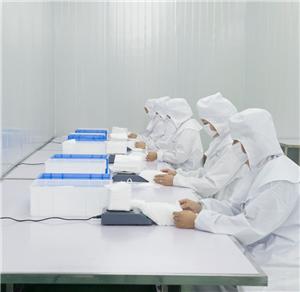
يُعدّ التدقيق الشامل للمصنع الطريقة الوحيدة الموثوقة للتحقق من مطابقة ادعاءات الشركة المصنعة لأقنعة KN95 للواقع. يتناول هذا الدليل ستة محاور تدقيق أساسية: المواد الخام، والإنتاج، وأنظمة مراقبة الجودة، والشهادات، وتدريب العمال، والتعبئة والتغليف.
What Factory Audit Checks for KN95 Mask Quality?
Why a Factory Audit Is Non-Negotiable for KN95 Mask Sourcing
When sourcing personal protective equipment for your organization, the stakes are high. A defective kn95 mask batch can compromise worker safety, damage your company's reputation, and lead to costly recalls. Yet many procurement teams skip the most critical step: a comprehensive factory audit. This article unpacks exactly what a factory audit should verify when evaluating a KN95 mask manufacturer in China, helping you move beyond brochures and price lists to real quality assurance.
In the post-pandemic landscape, the global market for KN95 masks has matured, but quality inconsistencies persist. For a business buyer, this translates into real risk: non-compliant masks can lead to workplace safety violations, increased liability, and lost trust with end users. A factory audit is the only reliable method to verify that a manufacturer's claims match reality.
Key Dimensions of a KN95 Mask Factory Audit
A thorough factory audit for KN95 mask production should cover six core areas. Each dimension directly impacts the final product's performance and regulatory compliance.
1. Raw Material Sourcing and Storage
The foundation of any kn95 mask is its filtration layer. During an audit, inspectors should verify:
- Meltblown fabric specifications: Is the fabric sourced from a certified supplier? What is the basis weight (typically 40-60 gsm for KN95)? Does the supplier provide test reports for filtration efficiency?
- Non-woven fabric quality: Outer and inner layers should be skin-friendly, with no visible defects. Check for consistent thickness and color uniformity.
- Nose wire and ear loops: Nose wires should be adjustable and corrosion-resistant. Ear loops must have adequate elasticity without breaking during extended wear.
- Storage conditions: Raw materials should be stored in a clean, dry, temperature-controlled environment. Exposure to moisture or UV light degrades meltblown fabric's electrostatic charge.
2. Production Line Capability and Maintenance
KN95 mask production involves multiple steps: fabric feeding, ultrasonic welding, nose wire insertion, ear loop attachment, and folding. An audit should assess:
- Machine type and age: Automatic lines ensure consistent welding pressure and reduce human error.
- Production capacity: Ask for real output data, not theoretical maximums. A typical automatic line produces 80-120 masks per minute.
- Maintenance logs: Check for scheduled preventive maintenance records. Ultrasonic welding heads and cutting dies wear out; regular replacement is critical for consistent seal quality.
- Cleanroom standards: For medical-grade KN95 masks, the production area should meet ISO Class 8 (or better) cleanroom standards.
3. Quality Control (QC) Systems and Testing Equipment
This is the heart of the audit. A manufacturer's QC system determines whether every kn95 mask leaving the factory meets specifications. Key checks include:
- In-process inspection: Are there QC checkpoints at each stage? Inspectors should measure filtration efficiency, breathing resistance, and strap break strength.
- Final product testing: The factory should have on-site testing equipment for filtration efficiency tester (using NaCl aerosol particles), airflow resistance tester, strap break strength tester, and seal leakage tester.
- Statistical process control (SPC): Does the manufacturer use control charts to monitor variation? A mature QC system will track CPK values above 1.33.
- Batch traceability: Each production batch should have a unique code linking to raw material lots, production date, QC results, and shipping records.
4. Certifications and Compliance Verification
A factory audit should verify that certifications are valid and apply to the specific products you intend to buy. Common KN95 mask certifications include:
- GB 2626-2019: The Chinese national standard for respiratory protective equipment. Verify that the manufacturer holds a valid test report from a CNAS-accredited lab.
- CE marking (EU): For export to Europe, masks must comply with EN 149:2001+A1:2009 (FFP2 or FFP3). Justsun's kn95 mask products carry CE certification to GB2626-2006.
- FDA registration: For the U.S. market, verify the listing number on the FDA website.
- ISO 13485: This quality management system certification for medical devices indicates a higher level of process control.
5. Worker Training and Hygiene Practices
Even the best equipment cannot compensate for poorly trained workers. An audit should observe:
- Training records: Are workers trained on proper handling of meltblown fabric, machine operation, and QC procedures?
- Personal hygiene: Workers should wear hairnets, face masks, and clean lab coats. Jewelry, nail polish, and food should be prohibited in production areas.
- Shift management: Are there enough workers per shift to maintain quality? Overworked staff are more likely to make mistakes.
6. Logistics and Packaging Quality
The audit should extend to how finished masks are handled after production:
- Packaging materials: Individual masks should be sealed in polybags to prevent contamination.
- Labeling accuracy: Verify that labels include product name, model, batch number, expiration date, and certification marks.
- Storage and shipping: Finished goods should be stored in a clean, dry warehouse away from chemicals or pests.
Common Pain Points and How an Audit Addresses Them
Business buyers often encounter these issues when sourcing KN95 masks from China:
- Inconsistent quality between samples and bulk orders: An audit ensures that production processes are standardized, reducing batch-to-batch variation.
- Delayed shipments due to production bottlenecks: Verifying actual capacity and maintenance schedules helps you avoid overpromised lead times.
- Hidden costs from rejected shipments: A robust QC system catches defects before shipping, saving you return and rework costs.
- Regulatory non-compliance: Auditing certifications and testing equipment reduces the risk of customs seizures or product bans.
Frequently Asked Questions
Q: Can I rely on a third-party inspection report instead of visiting the factory?
A: Third-party inspections (e.g., SGS, TUV) are valuable but limited. They provide a snapshot of conditions on the inspection day. A factory audit gives you deeper insight into management systems, worker culture, and long-term process stability.
Q: How often should I audit a KN95 mask factory?
A: For ongoing relationships, conduct an initial full audit, then follow up annually or before major new orders.
Q: What if the factory refuses an audit?
A: This is a major red flag. Reputable manufacturers welcome audits as a sign of transparency.
Call to Action
Don't leave your KN95 mask quality to chance. A thorough factory audit is your best defense against substandard products, regulatory fines, and reputational damage. For a confidential discussion about your sourcing requirements, contact our team today.