Surgical masks · filtration

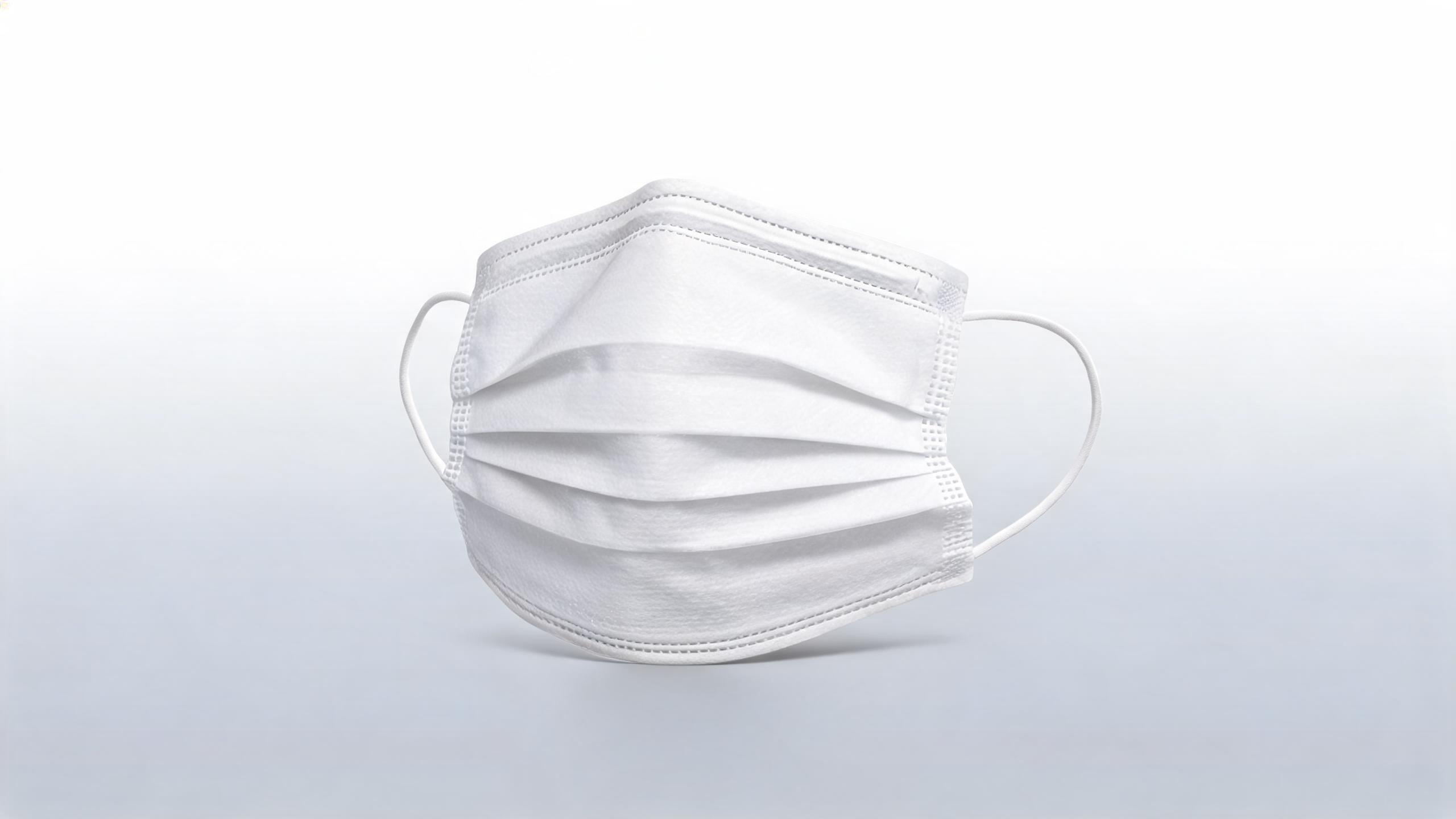
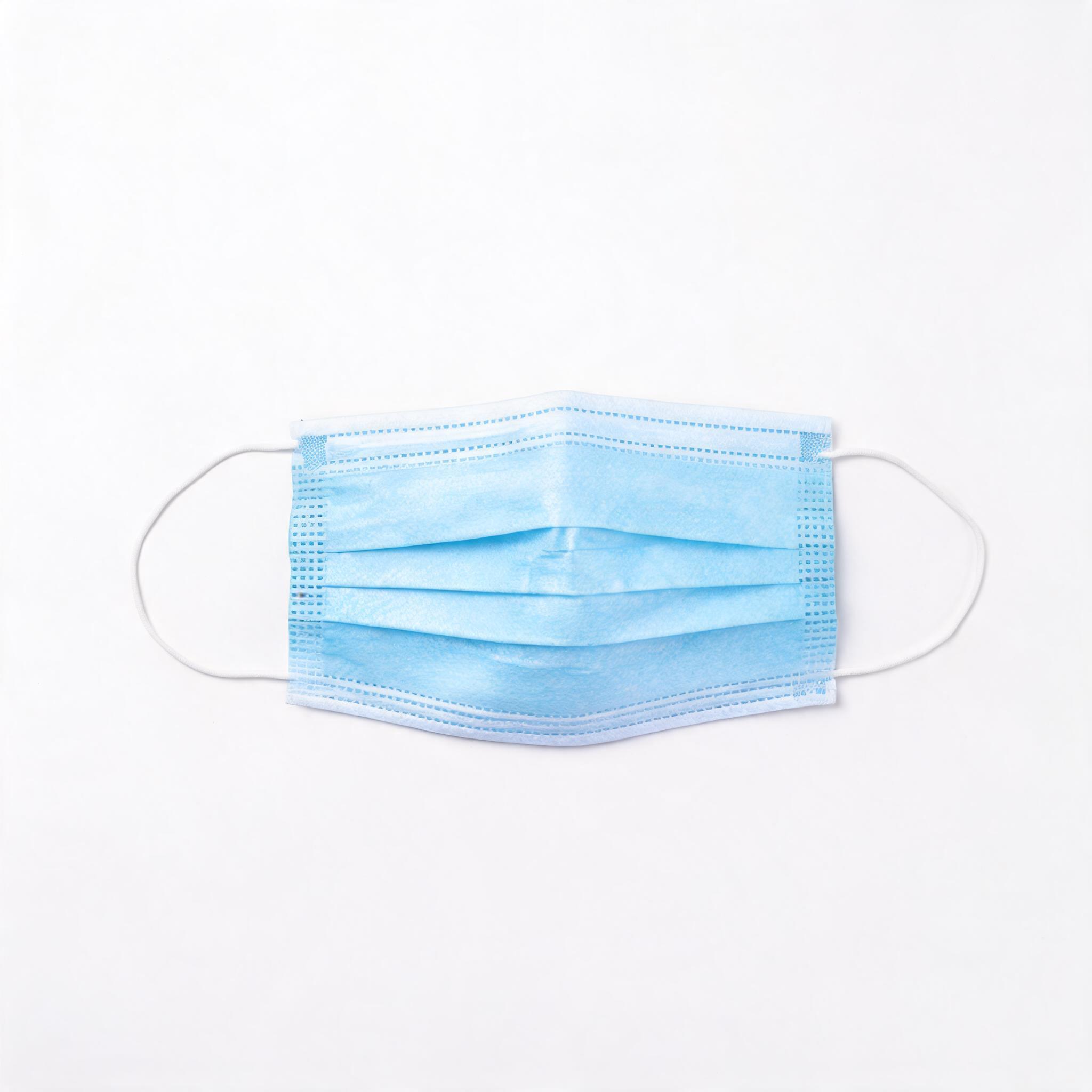
Surgical Mask BFE & Filtration Explained

BFE, PFE and differential pressure — what each number means on a surgical mask spec and how to compare claims across suppliers.

Guía del comprador

Qué considerar

01

BFE: the headline filtration number

Bacterial filtration efficiency (BFE) measures the percentage of bacteria-sized particles the mask filters out of the air. A mask with 98% BFE filters 98% of those particles. BFE is the number most buyers quote first, but it is only one part of the protection story — a high BFE does not guarantee fluid resistance or a good fit. Treat BFE as the baseline, then check the other numbers before you compare suppliers.

  • BFE measures bacteria-sized particle filtration
  • 98% BFE filters 98% of those particles
  • High BFE does not guarantee fluid resistance or fit
02

PFE and particulate filtration

Particulate filtration efficiency (PFE) measures how well the mask filters sub-micron particles, typically tested at 0.1 micron. PFE is often higher than BFE because the test particle is different. When a supplier quotes both, compare them against the same test method and particle size — a PFE number is only meaningful if you know the particle size and flow rate it was measured at.

  • PFE measures sub-micron particle filtration
  • PFE is often higher than BFE on the same mask
  • Compare PFE against the same test method and particle size
03

Differential pressure: breathability

Differential pressure measures how easily air passes through the mask. A lower value means better breathability, which matters for comfort during long shifts. A mask with very high filtration but poor breathability will be uncomfortable and may be worn incorrectly. For clinical and industrial use, balance filtration with breathability rather than chasing the highest BFE alone.

  • Lower differential pressure means better breathability
  • High filtration with poor breathability is uncomfortable
  • Balance filtration with breathability for long shifts
04

How to compare filtration claims across suppliers

Ask each supplier for the test report behind the BFE and PFE numbers, and confirm the test method, particle size and flow rate. A number without a test method is not comparable. For export, confirm the mask meets the standard your market requires — EN 14683 Type IIR for Europe or ASTM F2100 for North America — and that the certification file names the exact model you are ordering.

  • Request the test report behind every filtration number
  • Confirm test method, particle size and flow rate
  • Match the standard to your target market
Preguntas frecuentes del comprador

Preguntas frecuentes de compra

What is the difference between BFE and PFE?+

BFE measures bacteria-sized particle filtration, while PFE measures sub-micron particle filtration. They use different test particles and methods, so compare them against the same test conditions.

What is a good BFE for a surgical mask?+

For surgical use, a BFE of 98% or higher is typical. Confirm the number is backed by a test report and that the mask meets the standard for your market.

Why does breathability matter?+

A mask with poor breathability is uncomfortable and may be worn incorrectly. Differential pressure measures breathability, and a lower value is better for long shifts.

Obtener una cotización

Cuéntenos sus requisitos

Comparta su tipo de producto, cantidad y destino. Nuestro equipo de exportación confirmará los archivos de certificación, el MOQ y el plazo de entrega para su pedido.

  • Archivos de certificación CE / FDA
  • Cantidad mínima de pedido (MOQ), embalaje y plazo de entrega confirmado
  • Opciones OEM / marca propia para su marca
Product Inquiry
Product Inquiry
Surgical Mask BFE & Filtration Explained (wholesale inquiry)