
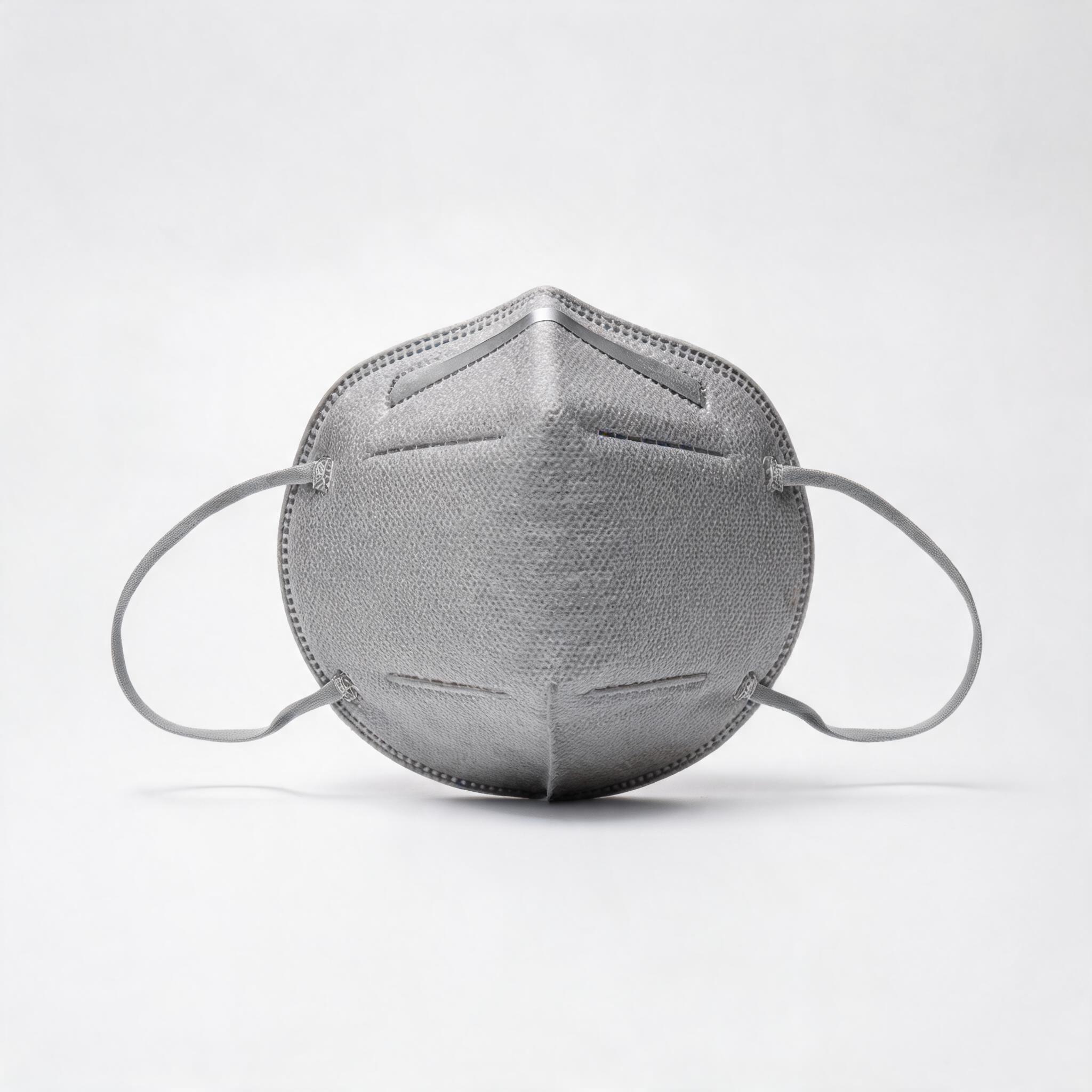
FAQ consolidée couvrant les 10 questions les plus courantes sur KN95 vs N95 : équivalence de filtration, usage médical, coût, marque OEM, marquage CE, importation aux États-Unis, comparaison avec FFP2 et vérification de la qualité.
FAQ · Respiratory Protection Standards
KN95 vs N95 FAQ: Answers to Top Buyer Questions
Procurement teams, distributors, and government buyers ask many of the same questions when deciding between KN95 and N95 respirators. This FAQ consolidates the most common questions we receive, with practical answers based on the technical standards and real-world sourcing experience.
Quick answer: KN95 and N95 both filter ≥95% of particles at 0.3µm. The key differences are the certification body (GB2626 vs NIOSH), manufacturing origin (China vs USA), and cost (KN95 is typically lower). Choose based on your destination market's regulatory acceptance.
Frequently Asked Questions
1. Are KN95 and N95 masks the same thing?
No. They are certified under different standards: KN95 under China's GB2626-2006 and N95 under the US NIOSH 42 CFR 84. However, both require ≥95% filtration efficiency at 0.3µm using the same NaCl aerosol test method. The filtration performance is equivalent; the certification infrastructure is different. For a detailed comparison, see our article KN95 vs N95: which standard should B2B buyers choose.
2. Which is better for healthcare use: KN95 or N95?
It depends on the country. In the US, NIOSH-certified N95 is the standard for healthcare settings. In the EU, FFP2 (EN 149) is the standard, but CE-marked KN95 is widely accepted. In most other countries, CE-marked KN95 is accepted for healthcare use. Always verify with your local health authority.
3. Why is KN95 cheaper than N95?
KN95 respirators are manufactured in China, where production costs, labor, and material sourcing are lower. The Chinese manufacturing base for meltblown nonwoven and respirator assembly is large and competitive. N95 respirators are primarily made by US-based companies with higher production costs. For cost analysis, see KN95 mask wholesale pricing breakdown.
4. Can I get OEM branding on KN95 and N95?
OEM branding is widely available for KN95 respirators from manufacturers like Justsun. N95 respirators from US brands (3M, Honeywell) do not typically support third-party OEM branding. For distributors building private-label brands, KN95 cup respirators with custom logo are the standard choice. Our guide on KN95 mask wholesale OEM requirements covers the process.
5. Do KN95 masks have CE marking?
Some do, some do not. CE marking is a separate certification from GB2626-2006. Justsun's KN95 respirators carry CE marking. Always verify the CE certificate against the NANDO database. Our article on KN95 mask CE certification requirements explains the process.
6. Can I import KN95 masks to the United States?
Regulatory acceptance changes. During the COVID-19 EUA, the FDA temporarily authorized KN95 import. Post-EUA, importers must verify current FDA and NIOSH guidance. Always confirm with your customs broker before ordering. See KN95 vs N95 FDA approval gap for details.
7. What is the difference between KN95 and FFP2?
KN95 is certified to China's GB2626-2006. FFP2 is certified to Europe's EN 149. Both require ≥94% filtration (FFP2) or ≥95% (KN95) at 0.3µm. FFP2 is the EU regulatory standard; CE-marked KN95 is accepted as an equivalent in many markets. For a full comparison, see KN95 vs N95 vs FFP2 price variability.
8. How do I verify KN95 quality before ordering?
Request a GB2626-2006 test report, CE certificate (if applicable), and batch QC documentation. Verify the CE notified body in the NANDO database. Request a pre-shipment sample. Our KN95 mask supplier quality control audit guide provides a full checklist.
9. Are valved KN95 respirators available?
Yes. The KN95 valve respirator in black features a one-way exhalation valve for reduced breathing resistance in industrial and high-temperature environments. Note: valved respirators provide inhalation protection but do not provide source control (protecting others from the wearer).
10. What is the shelf life of KN95 respirators?
Typically 2-5 years from the date of manufacture, depending on storage conditions. Store in a cool, dry environment away from direct sunlight. Proper storage preserves the electrostatic charge on the meltblown filter, which is essential for filtration performance.
Still Have Questions?
If your question is not covered here, contact our team for specific guidance on KN95 respirator procurement. We provide full certification documentation, OEM branding support, and compliance verification for qualified buyers.