
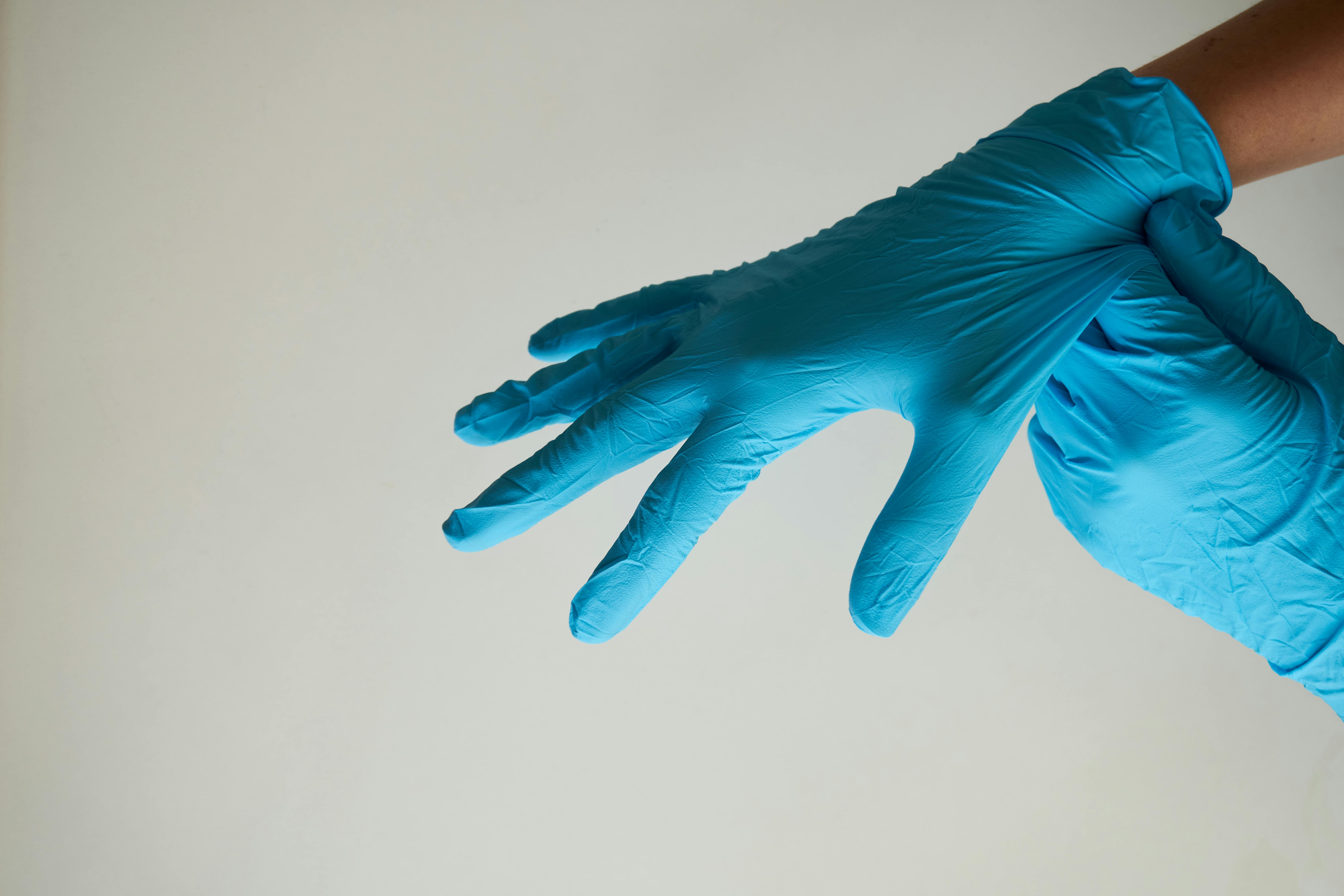
Les blouses chirurgicales doivent respecter les normes de performance de barrière aux fluides AAMI PB70 avec quatre niveaux de protection. Les classifications de niveau 1 à 4 déterminent la résistance aux éclaboussures, le temps de pénétration et l’aptitude pour les procédures à faible, modéré ou haut risque. Découvrez comment la composition non tissée affecte l’efficacité de la barrière.
Surgical gown performance is measured using standardized testing protocols that assess the nonwoven fabric's ability to resist fluid penetration and pathogen transmission. These standards ensure healthcare workers are adequately protected during surgical and clinical procedures.
AAMI PB70 Protective Level Classification
AAMI PB70 establishes four protective levels for surgical gowns based on fluid resistance and microbial barrier performance. Level 1 (minimal protection) suits routine procedures with low exposure. Level 2 (low-to-moderate risk) requires 100 mL/minute fluid resistance. Level 3 (moderate-to-high risk) demands 50 mL/minute resistance with enhanced microbial barriers. Level 4 (maximum protection) requires complete penetration resistance for 60 minutes and microbial barrier effectiveness exceeding 99.9%.
Nonwoven Fabric Composition and Barrier Performance
Surgical gowns typically use three-layer nonwoven composites: outer polypropylene for liquid repellency, middle meltblown layer for microbial filtration, and inner polyester for comfort. Hydrophobic polypropylene resists aqueous fluids, while static dissipative inner linings reduce electrostatic discharge risk. Gown weight (measured in grams per square meter, or gsm) directly correlates to barrier durability—Level 4 gowns often exceed 55 gsm.
Penetration Time and Saturation Testing
Standardized saline solution is applied to gown samples under pressure. Penetration time measures when liquid first breaks through to the inner surface. Level 3 gowns must achieve minimum 30-minute penetration time. Level 4 gowns undergo 60-minute testing. Repeated exposure testing confirms gowns maintain barrier integrity through multiple procedures.
Choosing the Right Protection Level
Orthopedic surgeries and cesarean sections typically require Level 3-4 protection due to high fluid exposure. Level 2 gowns suit general medicine, dentistry, and lower-risk procedures. Procurement teams should verify gown certifications (AAMI, ISO 13485, FDA 510k clearance) and request third-party test reports confirming barrier performance before bulk ordering.