
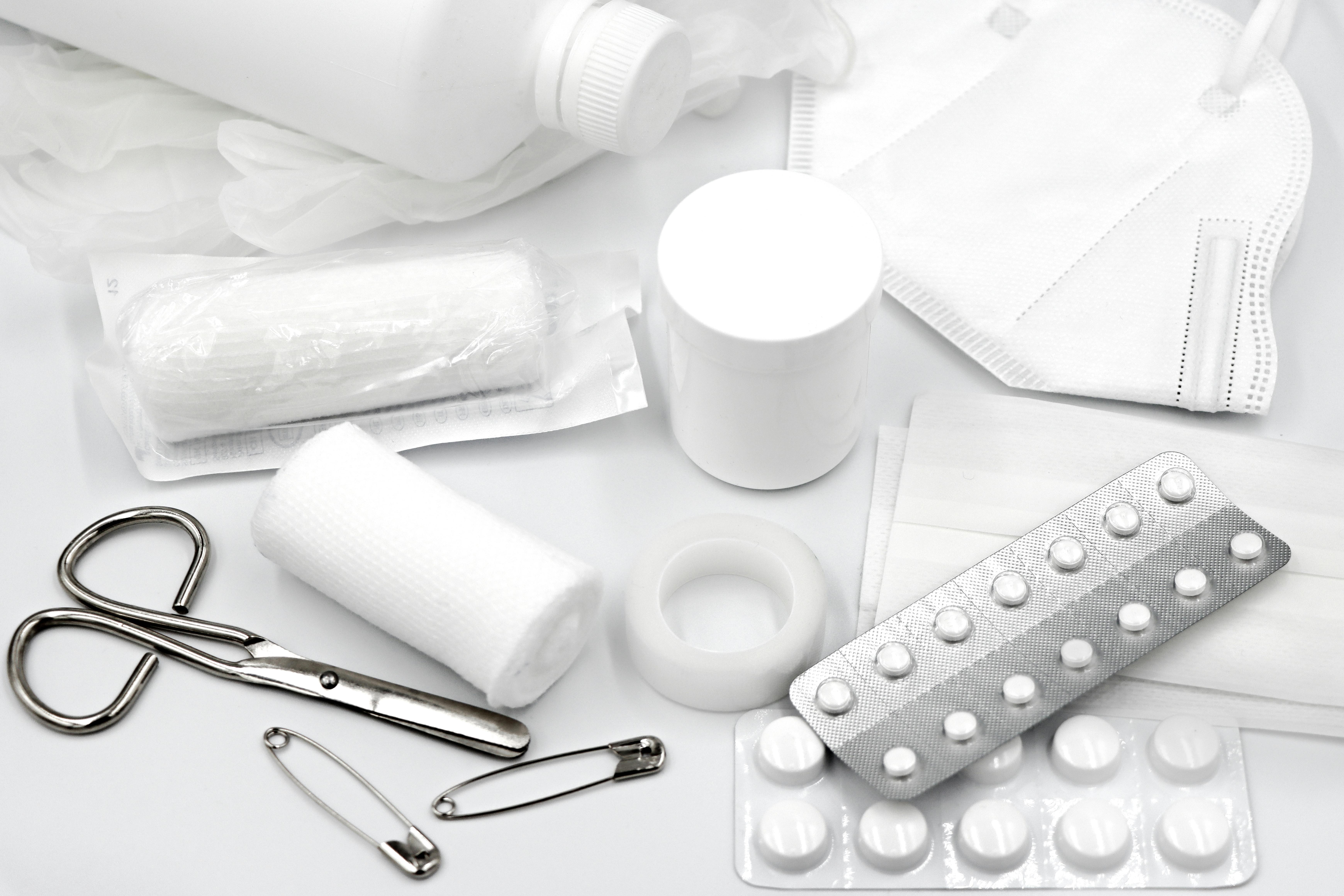
Les pansements utilisent des substrats non tissés spécialisés avec une absorption élevée (SAP), des propriétés antimicrobiennes et une respirabilité. Les tests de biocompatibilité ISO 10993, la validation du système de barrière stérile (ISO 11607) et les spécifications du taux de transmission de la vapeur d'eau (MVTR) garantissent que les pansements favorisent la cicatrisation tout en prévenant l'infection.
Wound care products require nonwoven materials engineered for specific biological and clinical requirements. Selecting the right substrate involves understanding absorbency capacity, biocompatibility profiles, and sterile packaging standards.
Absorbency and Fluid Management in Wound Dressings
Advanced wound dressings incorporate superabsorbent polymer (SAP) nonwoven layers that absorb 10–30 times their weight in exudate while maintaining shape and integrity. SAP-enhanced nonwovens prevent maceration (tissue breakdown from excessive moisture) while wicking fluids away from the wound bed. Dressing thickness (typically 5–20 mm) and SAP concentration (50–300 grams per square meter) are calibrated for specific wound types: low-exudate wounds require lighter formulations, while heavily draining wounds demand higher absorbency capacity.
Biocompatibility and ISO 10993 Compliance
Wound dressings in direct tissue contact must pass ISO 10993-5 cytotoxicity testing (cell viability), ISO 10993-10 sensitization and irritation testing, and ISO 10993-11 systemic toxicity assessment. Nonwoven substrates must be free of residual chemicals, dyes, and processing aids that could irritate compromised tissue. Hypoallergenic formulations using medical-grade polypropylene, polyester, or plant-derived fibers ensure compatibility with sensitive skin and diabetic patients.
Moisture Vapor Transmission Rate (MVTR)
MVTR (measured in grams per square meter per 24 hours) balances moisture retention and evaporation. Optimal MVTR ranges from 500–2000 g/m²/24h depending on wound exudate levels and healing phase. Low MVTR maintains moist wound environment (promoting autolytic debridement), while high MVTR prevents pooling and maceration. Breathable outer layers (nonwoven polyester at 50–100 gsm) provide MVTR while inner absorption layers (SAP-enhanced nonwoven at 100–150 gsm) retain fluid.
Sterile Barrier System Packaging
Wound dressings must maintain sterility from manufacturing through application. ISO 11607 sterile barrier system standards specify packaging material construction, seal integrity testing, and post-sterilization validation. Nonwoven-based barrier films (typically 20–30 gsm) are steam sterilizable and provide 2–5-year sterility assurance intervals when stored at controlled temperature and humidity. Manufacturers must validate sterilization cycles and perform accelerated aging studies to confirm package integrity.