
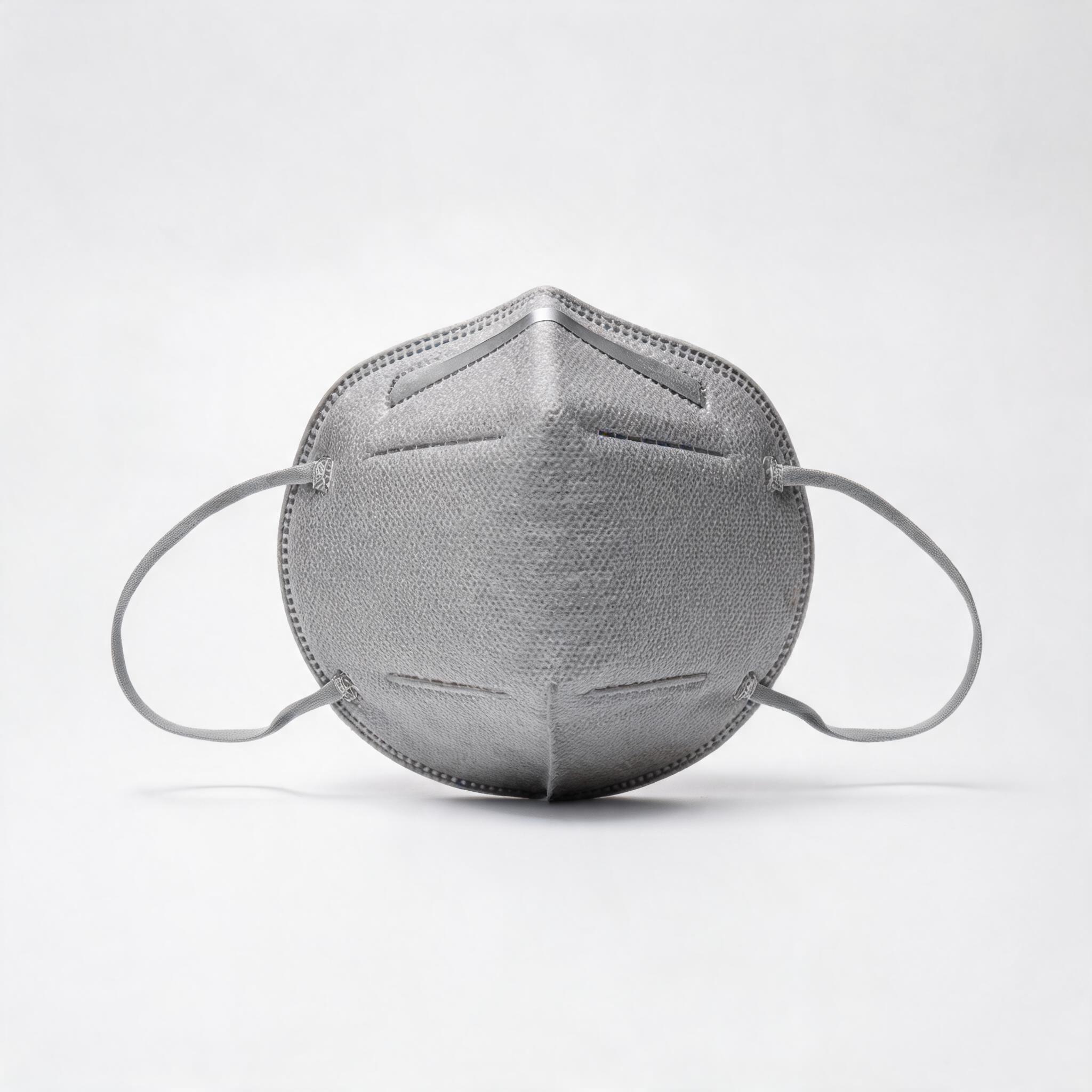
KN95 호흡기 가격 및 최소 주문 수량에 대한 종합 가이드로, B2B 조달 팀을 위한 비용 요인, 볼륨 단계, 숨은 비용, MOQ 협상, 결제 조건 및 시장 동향을 다룹니다.
For B2B procurement teams, understanding the pricing structure and minimum order quantity (MOQ) requirements for KN95 respirators is essential for budget planning, supplier negotiation, and total cost optimization. KN95 pricing is not a single number-it is a function of raw material costs, manufacturing complexity, certification overhead, order volume, packaging requirements, and logistics. This guide breaks down each cost component and explains how buyers can structure their procurement to achieve the best value without compromising quality.
Key Factors That Drive KN95 Pricing
1. Meltblown Fabric Cost
The meltblown layer is the most expensive component of a KN95 respirator, typically accounting for 30-45% of total material cost. Meltblown polypropylene resin prices fluctuate with global oil prices, and the electrostatic charging process adds manufacturing cost. The meltblown quality directly affects price: higher gsm, better charge stability, and narrower fiber diameter distribution all increase cost.
2. Layer Count and Material Weight
As explained in our guide on material composition, respirators with more layers and higher gsm use more material and cost more to produce. A five-layer respirator with 25 gsm meltblown will cost more than a four-layer respirator with 20 gsm meltblown. However, the performance difference may not justify the price difference for all applications.
3. Certification and Compliance Costs
CE marking, FDA registration, and GB2626 testing all involve fees paid to notified bodies, testing laboratories, and regulatory consultants. These costs are amortized across production volume. For a manufacturer producing 1 million units per month, the per-unit certification cost is negligible. For a small manufacturer producing 50,000 units, it can add $0.05-0.10 per unit.
4. Manufacturing Automation Level
Highly automated production lines produce respirators at lower per-unit cost but require significant capital investment. The manufacturing process automation level varies significantly among suppliers, and this is reflected in pricing. Manufacturers with older, less automated lines may charge less per unit but offer lower consistency.
5. Packaging and OEM Customization
Standard packaging (50 pieces per inner box, bulk carton) is the most cost-effective. Custom OEM packaging-including branded boxes, individual packaging, multi-language labeling, and custom artwork-adds $0.02-0.15 per unit depending on complexity. The OEM requirements should be specified before requesting pricing.
6. Order Volume
Volume is the single most significant pricing factor beyond material costs. KN95 pricing follows a tiered structure:
| Order Volume | Pricing Tier | Notes |
|---|---|---|
| 10,000 - 50,000 pcs | Sample / small batch | Highest per-unit price; may include sample fee |
| 50,000 - 200,000 pcs | Standard wholesale | Moderate volume discount |
| 200,000 - 1,000,000 pcs | Bulk export | Significant volume discount |
| 1,000,000+ pcs | Container load | Best per-unit pricing; may require production scheduling |
Negotiation tip: Suppliers price based on production line allocation. An order that fills a production line for a full week is more attractive than a small order that requires line changeover. Aligning your order volume with the supplier's production batch size can yield better pricing than a simple volume-based negotiation.
Understanding MOQ: Why It Exists and How to Navigate It
Minimum order quantity is not an arbitrary barrier-it is a function of the supplier's production economics. Setting up a production run involves material procurement, line setup, quality control sampling, and packaging configuration. These fixed costs must be spread across the order volume.
Typical MOQ ranges for KN95 respirators:
- Standard packaging: 50,000 - 100,000 pieces
- OEM/custom packaging: 200,000 - 500,000 pieces
- Custom mold or new product development: 500,000+ pieces
For buyers whose demand does not meet the MOQ, several strategies can help:
- Consolidate orders: Pool demand across multiple departments or organizations to reach the MOQ threshold.
- Accept standard packaging: Custom packaging significantly increases MOQ. Standard packaging allows access to smaller MOQs.
- Negotiate partial production: Some suppliers will accept a smaller order if you agree to pay a higher per-unit price that covers their setup costs.
- Use a distributor: Distributors buy in bulk and resell in smaller quantities, though at a markup of 15-40%.
- Plan for periodic ordering: Commit to a schedule of regular orders over 6-12 months. Suppliers may accept a lower initial MOQ with a commitment to recurring purchases.
Hidden Costs Beyond Unit Price
The per-unit price quoted by a supplier is only one component of total procurement cost. B2B buyers must account for several additional costs when comparing suppliers:
Logistics and Freight
KN95 respirators are lightweight but voluminous. Sea freight is the most cost-effective option for large orders, but it requires 25-40 days transit time. Air freight is 5-10x more expensive but reduces transit to 3-7 days. The shipping logistics choice should be factored into total landed cost calculations.
Customs Duties and Import Taxes
Import duties on medical devices and PPE vary by destination country and may change based on trade policies. Some countries impose anti-dumping duties on Chinese-made respirators. Buyers should verify current duty rates with their customs broker before finalizing procurement budgets.
Quality Inspection
Third-party pre-shipment inspection costs $300-800 per inspection, depending on the scope. For large orders, this represents a small per-unit cost but ensures that the entire batch meets specifications before it ships.
Insurance
Cargo insurance for PPE shipments typically costs 0.3-0.8% of the shipment value. This protects against loss, damage, or contamination during transit.
Warehousing and Storage
Large orders require warehouse space. Storage conditions must preserve the shelf life of the respirators-controlled temperature, low humidity, and protection from UV light. Poor storage conditions can render a batch non-compliant before it reaches end users.
Currency Exchange Risk
KN95 respirators are typically priced in USD or CNY. Buyers purchasing in other currencies face exchange rate risk between order placement and payment. Forward contracts or currency hedging may be appropriate for large orders.
How to Evaluate Price Quotes
When comparing price quotes from multiple suppliers, use a structured evaluation approach:
- Normalize the comparison: Ensure all quotes are for the same product specifications (layer count, gsm, certification, packaging). A lower price for a different specification is not a better deal.
- Include landed cost: Add freight, insurance, customs duty, and inspection costs to the unit price. The cheapest FOB price may not be the cheapest landed cost.
- Verify certification: A lower price from a supplier without valid CE or FDA certification is not a bargain-it is a liability. The CE certification requirements add cost but are non-negotiable for most markets.
- Assess quality risk: A price 20% below the market average suggests either lower material quality, missing certification, or a supplier desperate for cash flow. None of these are good signs.
- Request samples before committing: Physical samples allow you to verify material quality, comfort, and fit before placing a bulk order. Sample costs ($50-200 for a box of 50) are trivial compared to a full order.
Payment Terms and Risk Management
KN95 procurement typically involves the following payment structures:
- 30% deposit + 70% before shipment: The most common structure. The deposit covers material procurement and production startup; the balance is paid after pre-shipment inspection.
- Letter of Credit (L/C): For large orders ($100,000+), an L/C provides security for both buyer and seller. The bank releases payment only when shipping documents are presented, ensuring the goods have been shipped before payment is released.
- 100% advance: Sometimes offered for very small orders. High risk for the buyer and should be avoided for orders above $5,000.
Price Trends and Market Context
KN95 pricing has stabilized significantly since the pandemic-era peak of 2020-2021, when prices reached $1.50-3.00 per unit. Current market pricing (as of 2024-2025) for standard KN95 respirators with CE certification typically ranges from $0.08-0.25 per unit at bulk volumes, depending on specifications and order size.
Factors that could affect future pricing include:
- Raw material (polypropylene resin) price fluctuations tied to oil markets
- Regulatory changes requiring additional testing or certification
- Trade policy changes (tariffs, anti-dumping measures)
- Supply chain disruptions affecting meltblown availability
Conclusion
KN95 respirator pricing is a multi-variable equation that extends far beyond the per-unit price quoted by a supplier. By understanding the cost components, navigating MOQ requirements strategically, accounting for hidden costs, and using structured quote evaluation, B2B procurement teams can achieve optimal value without compromising on the quality and compliance that respiratory protection demands. The cheapest respirator is never the one with the lowest unit price-it is the one that delivers certified protection, consistent quality, and reliable delivery at the best total cost of ownership.