
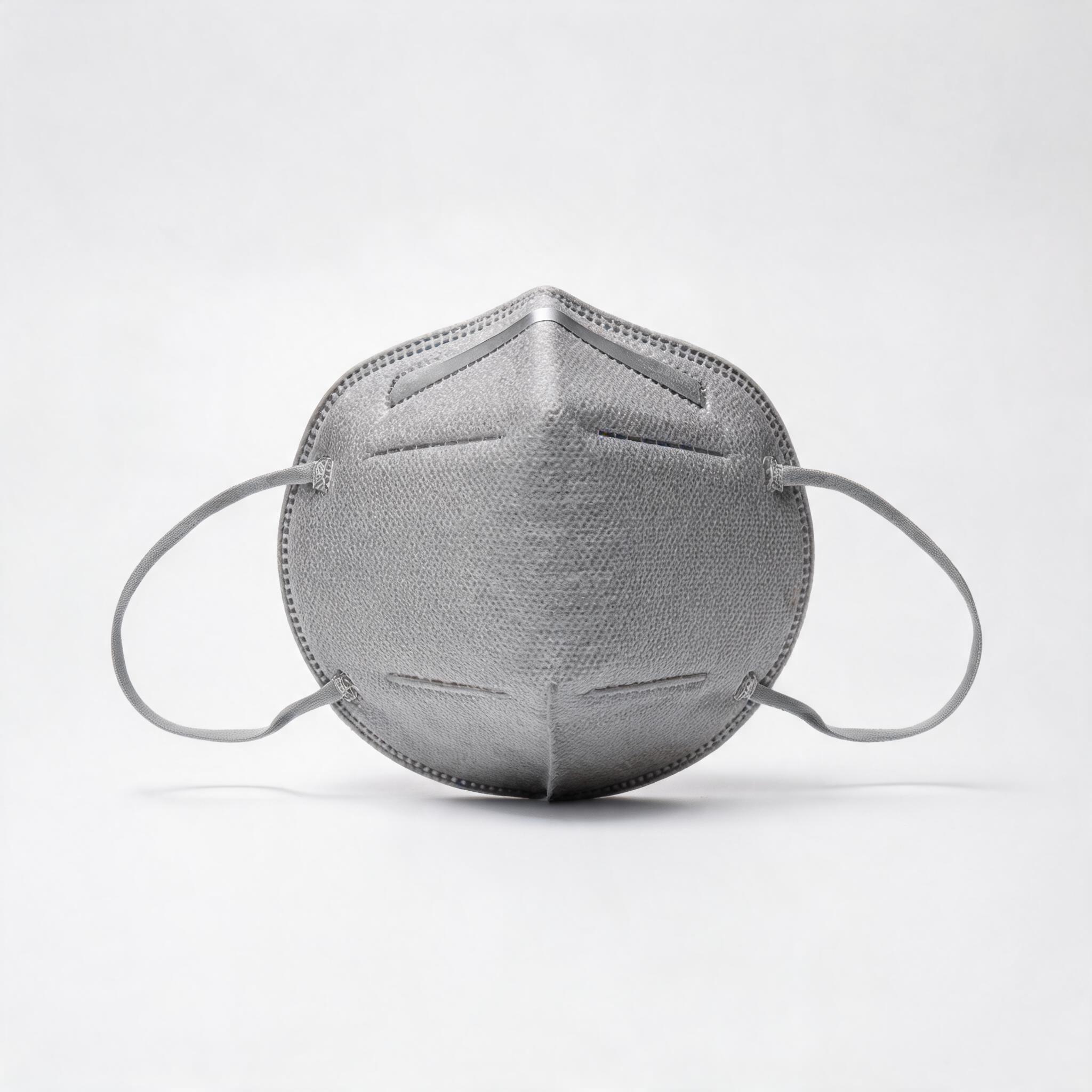
A guide to KN95 respirator comfort factors for extended wear, covering inner layer materials, strap system ergonomics, nose bridge design, cup vs flat-fold comparison, and a B2B evaluation protocol.
KN95 Mask Comfort for Extended Wear: Material Design and Ergonomics for Healthcare Shifts
When healthcare workers wear KN95 respirators for 8-12 hour shifts, comfort is not a luxury - it is a safety issue. Uncomfortable respirators get removed, adjusted improperly, or worn with broken seals, all of which negate the filtration performance that procurement teams worked so hard to verify. For B2B buyers supplying hospital networks, understanding the material and ergonomic factors that drive extended-wear comfort is essential.
This article examines the specific design elements that differentiate a respirator rated for 8-hour continuous use from one that causes wearer fatigue after 2 hours, and provides a procurement evaluation framework for extended-wear comfort.
The Anatomy of a KN95 Respirator: Layer by Layer
A standard KN95 respirator consists of 4-5 layers, each serving a specific function:
- Outer layer (spunbond PP, 15-25 gsm): Hydrophobic barrier that repels liquid splashes. This layer must resist moisture penetration while allowing air to pass. A rough or stiff outer layer can cause irritation when it contacts the forehead or cheeks.
- First meltblown layer (25-30 gsm): Primary filtration layer with electrostatic charge. This is the layer that achieves the ≥95% filtration claim. Its density directly affects breathing resistance.
- Second meltblown layer (optional, 20-25 gsm): Additional filtration layer in 5-layer designs. Adds filtration margin but increases breathing resistance and material cost.
- Electrostatic cotton layer (optional): Some designs include a needled felt layer treated with electret to supplement the meltblown charge. This can improve filtration without proportionally increasing resistance.
- Inner comfort layer (spunbond PP, 15-20 gsm): Direct skin-contact layer. The softness and moisture management of this layer determines whether the wearer experiences skin irritation during extended use.
For procurement evaluation, request the material layer composition breakdown from the supplier - the number of layers, GSM of each, and material type directly predict both filtration and comfort performance.
Skin Contact Comfort: The Inner Layer Matters Most
The inner layer is the single most important comfort factor for extended wear. Key properties to evaluate:
Material Softness
Spunbond polypropylene is the standard inner layer material, but its softness varies significantly based on fiber diameter and calendaring process. Lower-denier fibers produce a softer, more fabric-like feel. Some premium respirators use SMS inner layers with specialized calendaring for a cotton-like touch.
Moisture Management
During exhalation, warm moisture-laden air passes through the inner layer. If the inner layer absorbs and retains this moisture, it becomes damp and uncomfortable. Hydrophobic treatment of the inner layer helps wick moisture away from the skin and toward the filter media, where it can evaporate or pass through.
pH and Biocompatibility
The inner layer material should have a pH between 4.5 and 7.5 to match skin pH. Materials outside this range can cause dermal irritation with extended contact. Reputable manufacturers test inner layer biocompatibility under ISO 10993 standards.
Strap System Ergonomics: The Often-Overlooked Comfort Factor
Strap design has a greater impact on extended-wear comfort than most buyers realize. The two primary configurations are:
Elastic Ear Loops
Ear loops are convenient for donning and doffing but create continuous tension on the ears. After 2-4 hours, this tension causes ear chafing and discomfort. For shifts exceeding 4 hours, ear loop respirators are generally not recommended unless fitted with ear-saver clips that redistribute the tension to the back of the head.
Adjustable Head Straps
Head straps distribute tension across the skull rather than concentrating it on the ears. Two-strap designs (one high, one low) provide better seal and significantly less discomfort for extended wear. Cup-style respirators like the KN95 Cup Respirator typically use dual adjustable head straps that can be loosened or tightened independently for a custom fit.
For a detailed comparison, procurement teams can reference the ear loop vs headband analysis which covers seal quality and comfort tradeoffs in depth.
Nose Bridge and Seal Comfort
The nose bridge component serves two functions: creating a seal at the nasal bridge and preventing fogging of eyewear. For extended wear, the nose bridge must be:
- Malleable but shape-retaining: Aluminum strips are standard. The strip must be soft enough to mold to individual facial contours but rigid enough to maintain the shape after repeated adjustments.
- Padded or foam-lined: Some premium respirators add a foam strip along the nose bridge to cushion the pressure point. This is particularly valuable for wearers with prominent nasal bridges who experience pressure pain after several hours.
- Wide enough to cover the full nasal bridge: A narrow nose bridge wire creates a concentrated pressure point. Wider designs (8-10mm) distribute pressure more evenly.
Cup vs Flat-Fold: Structural Comfort Differences
The respirator's structural design affects both breathing comfort and physical comfort:
| Factor | Cup Style | Flat-Fold |
|---|---|---|
| Breathing cavity | Maintains space between filter and mouth | May contact lips during speech |
| Storage efficiency | Bulkier, requires more storage space | Folds flat, excellent for stocking |
| Extended wear (6+ hours) | Preferred - less claustrophobic | Acceptable but may cause discomfort |
| Seal stability | Rigid structure maintains seal | Seal may shift with facial movement |
| Weight | ≈4.5g typical | ≈4.0g typical |
For healthcare applications requiring 8+ hour shifts, cup-style respirators are generally the better choice. The rigid shell maintains a consistent breathing cavity and reduces the psychological discomfort of material against the face.
The Foam Seal Factor: A Small Detail with Big Comfort Impact
Some premium KN95 cup respirators include a foam seal along the inner rim - a thin strip of soft polyurethane foam that contacts the face along the mask perimeter. This foam serves multiple functions:
- Cushions pressure points: Reduces pressure on cheekbones and chin during extended wear
- Improves edge seal: Conforms to facial contours, filling minor gaps that would otherwise allow unfiltered air to bypass the filter
- Reduces skin irritation: The foam is softer than rigid thermoplastic, reducing friction and pressure-related dermal issues
While foam seals add approximately 0.5-1.0g to the respirator weight, the comfort improvement is disproportionate. Procurement teams should specifically request whether the respirator includes a foam comfort seal when evaluating options.
Extended Wear Evaluation Protocol for B2B Buyers
Before committing to a bulk purchase for extended-wear applications, conduct the following evaluation:
- Subjective comfort survey: Have 5-10 representative end-users wear the respirator for 4 hours. Survey at 1-hour intervals: breathing comfort (1-10), skin irritation (1-10), strap pressure (1-10), overall wearability (1-10).
- Seal check before and after wear: Perform a qualitative fit test at the beginning and end of the wear period. If the seal degrades significantly, the strap system is losing tension.
- Moisture assessment: After 4 hours, inspect the inner layer. Excessive moisture indicates poor moisture management and will accelerate wearer discomfort.
- Comparative testing: Test 2-3 competing products under identical conditions. Comfort differences that don't appear in spec sheets become obvious during comparative wear.
- Fit testing across face sizes: Ensure the respirator fits a range of facial structures. A respirator that fits medium faces well but causes pressure pain on small or large faces will generate complaints across a diverse workforce.
Key Takeaways
- Inner layer quality determines extended-wear comfort: Request material specs for the skin-contact layer, including GSM, fiber type, and any hydrophobic treatment.
- Head straps outperform ear loops for shifts over 4 hours: Specify head-strap designs for healthcare and industrial extended-wear applications.
- Cup-style respirators are preferred for 8+ hour shifts: The breathing cavity and structural stability reduce fatigue.
- Foam seals disproportionately improve comfort: A small weight addition with significant wearer satisfaction improvement.
- Always conduct extended wear trials: Spec sheets don't capture real-world comfort. Test with actual end-users before bulk procurement.
By evaluating respirators through the lens of extended-wear ergonomics rather than just filtration efficiency, B2B procurement teams can select products that healthcare workers will actually wear correctly for full shifts - transforming a certificate number into real-world protection.