
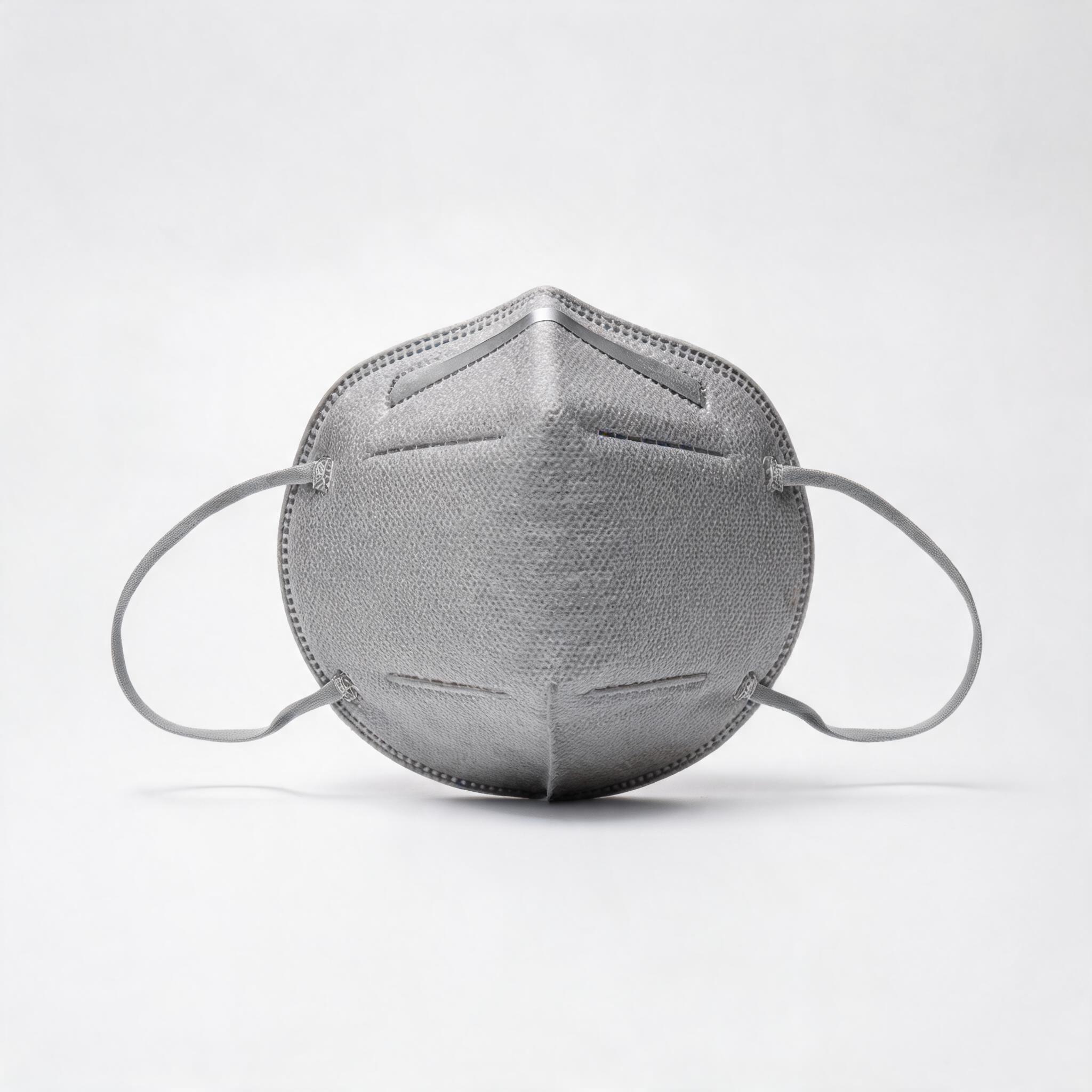
Compare FOB, CIF, EXW, and DDP Incoterms for KN95 mask procurement. Practical guidance on which shipping terms offer the best cost control, risk management, and operational efficiency for B2B buyers.
KN95 Mask Shipping & Incoterms
KN95 Mask Export: Choosing the Right Incoterms for Your Shipment
When procuring KN95 masks from overseas manufacturers, the Incoterms you negotiate determine who bears responsibility-and cost-at each stage of the shipping journey. For B2B buyers, choosing between FOB, CIF, EXW, and DDP is not just a contractual detail; it directly impacts landed cost, risk allocation, and control over the freight process. This article breaks down each Incoterm in the context of KN95 mask procurement, with practical guidance on which terms work best for different buyer profiles.
Bottom Line: For most B2B buyers importing KN95 masks, FOB (Free on Board) offers the best balance of cost control and risk management. It lets you choose your own freight forwarder, negotiate shipping rates directly, and maintain visibility from port of loading to final destination.
Understanding Incoterms in PPE Procurement
Incoterms (International Commercial Terms) are published by the International Chamber of Commerce and define the responsibilities of buyers and sellers in international trade. For KN95 mask shipping, the key Incoterms are:
| Incoterm | Seller Responsibility Ends | Buyer Handles | Risk Transfer Point |
|---|---|---|---|
| EXW (Ex Works) | Seller's factory gate | Everything: export clearance, freight, import clearance | At seller's premises |
| FOB (Free on Board) | Loaded on vessel at origin port | Sea freight, insurance, import clearance | Once on board vessel |
| CIF (Cost, Insurance, Freight) | Goods delivered to destination port | Import clearance, inland transport | At destination port (risk at origin port) |
| DDP (Delivered Duty Paid) | Delivered to buyer's warehouse | Nothing-seller handles all | At buyer's premises |
FOB: The Preferred Choice for Experienced Importers
Under FOB terms, the supplier is responsible for producing the KN95 masks, packaging them for export, clearing Chinese export customs, and delivering the goods to the origin port and loading them onto the vessel. From that point, you (the buyer) take over: you arrange sea freight, insurance, destination customs clearance, and inland delivery to your warehouse.
Why FOB is the standard for experienced B2B buyers:
- Cost transparency: You negotiate freight rates directly with your forwarder, avoiding the supplier's freight markup (typically 5–15% above market).
- Carrier control: You choose the shipping line, transit route, and schedule. This matters when you need to meet specific delivery windows.
- Insurance control: You arrange marine insurance, ensuring the coverage amount and terms match your risk tolerance.
- Documentation control: Your forwarder handles the B/L and can issue switch B/Ls if needed for trade finance or letter of credit purposes.
The supplier's KN95 mask export customs clearance is their responsibility under FOB. Confirm this is included in the quoted price-some suppliers quote FOB but expect the buyer to handle export clearance, which is technically EXW with port delivery.
CIF: Convenient but Costly
Under CIF, the supplier arranges and pays for sea freight and minimum insurance to the destination port. This is simpler for buyers without freight forwarder relationships or those placing one-time orders. However, there are important caveats:
- Freight markup: Suppliers typically charge 10–20% above their actual freight cost. On a 40-foot container of KN95 masks, this can add $800–$2,000 to the landed cost.
- Limited carrier choice: The supplier selects the shipping line, which may use a slower route or a less reliable carrier.
- Insurance gap: CIF requires only minimum coverage (Institute Cargo Clauses C), which covers total loss but not partial damage. For high-value PPE shipments, upgrade to Clauses A (all-risk) or arrange your own insurance.
- Risk transfer mismatch: Risk transfers when goods are loaded at the origin port, but the supplier pays freight to the destination. If the vessel is delayed or the cargo is damaged in transit, you bear the loss even though the supplier arranged the freight.
EXW: Maximum Buyer Responsibility
EXW places nearly all responsibility on the buyer. The supplier makes the masks available at their factory; you handle everything else-export clearance, trucking to port, freight, insurance, import clearance, and final delivery. This term is rarely recommended for first-time importers of medical supplies because:
- Chinese export customs for medical devices requires specific documentation (export license for certain PPE categories) that is easier for the manufacturer to obtain.
- The supplier's local trucking relationships typically get better rates than a buyer's remote arrangement.
- If export clearance is delayed, the buyer bears the cost of the delay, not the supplier.
EXW can make sense if you have a dedicated freight forwarder with a Chinese office that handles door-to-door logistics. For most buyers, FOB is the better choice.
DDP: Lowest Effort, Highest Cost
Under DDP, the supplier delivers to your warehouse with all duties paid. This is the easiest option operationally-you place the order and receive the goods at your door. But DDP comes with significant trade-offs:
- Highest total cost: The supplier marks up freight, insurance, duties, and customs broker fees. DDP pricing for KN95 masks can be 25–40% above FOB pricing.
- Customs liability: The supplier (or their agent) is the importer of record. If there is a customs issue, you have limited direct control over resolution.
- Duty optimization: The supplier may not know how to optimize duty classification for your specific country, potentially overpaying import duties.
- VAT/GST recovery: In many countries, the importer of record can reclaim VAT/GST. Under DDP, the supplier's agent is the importer, complicating your ability to reclaim these taxes.
Practical Scenarios: Which Incoterm to Choose
Scenario 1: Regular Importer with Established Forwarder
Recommended: FOB - You import KN95 masks regularly, have a freight forwarder relationship, and want to control costs. Negotiate FOB pricing with your supplier and manage freight independently. This gives you the lowest landed cost and maximum control.
Scenario 2: First-Time Importer, Small Order
Recommended: CIF or DDP - If you are importing KN95 masks for the first time and ordering less than 100,000 pieces, the simplicity of CIF or DDP may outweigh the cost premium. Use this first shipment to learn the process, then switch to FOB for subsequent orders.
Scenario 3: Urgent Air Freight Order
Recommended: FCA (Free Carrier) or CIP (Carriage and Insurance Paid) - For air freight, FOB is technically not applicable (it is a sea freight term). FCA or CIP are the air freight equivalents. The supplier delivers to the carrier at the origin airport; you handle the rest.
Scenario 4: Government Tender with Fixed Delivery Date
Recommended: DAP (Delivered at Place) with penalty clause - For government contracts with strict delivery deadlines, DAP with a liquidated damages clause ensures the supplier bears responsibility for timely delivery. The supplier handles everything except import duties.
Negotiating Incoterms with Your Supplier
When requesting quotes from KN95 mask manufacturers, ask for pricing under multiple Incoterms. A supplier quoting $0.15/piece FOB Shanghai and $0.18/piece CIF Hamburg gives you a clear picture of their freight markup. If the difference is more than 15–20%, the supplier is charging a significant logistics premium, and you should negotiate FOB with your own forwarder.
Also confirm what is included in the quoted Incoterm. Some suppliers quote FOB but exclude export inspection fees, port handling charges, or document fees. Clarify that the FOB price includes all costs up to loading on the vessel.
Insurance Considerations
KN95 mask shipments are typically insured at 110% of the CIF value (the 10% covers anticipated profit). If you are on FOB terms, arrange your own marine insurance through your freight forwarder or a separate insurer. Ensure the policy covers:
- General average (shared losses when a vessel is in distress)
- Particular average (partial loss or damage to your cargo)
- Water damage (critical for mask shipments-meltblown filter degradation)
- Container fire and explosion
- Theft and pilferage
For shipping KN95 protective masks by sea and air, verify that the insurance covers the full transit period, including warehousing at the destination port before customs clearance.
Conclusion
Choosing the right Incoterms for your KN95 mask procurement is a strategic decision that affects cost, risk, and operational complexity. For most B2B buyers, FOB offers the best combination of cost control and risk management. First-time importers may benefit from CIF or DDP for simplicity, while experienced buyers with established logistics networks should always negotiate FOB. Understanding these terms-and negotiating them actively-can save 5–15% on landed cost while ensuring you maintain control over your supply chain.
For more on the complete shipping process, see our complete KN95 mask shipping logistics guide and our overview of how to ship KN95 masks globally.