
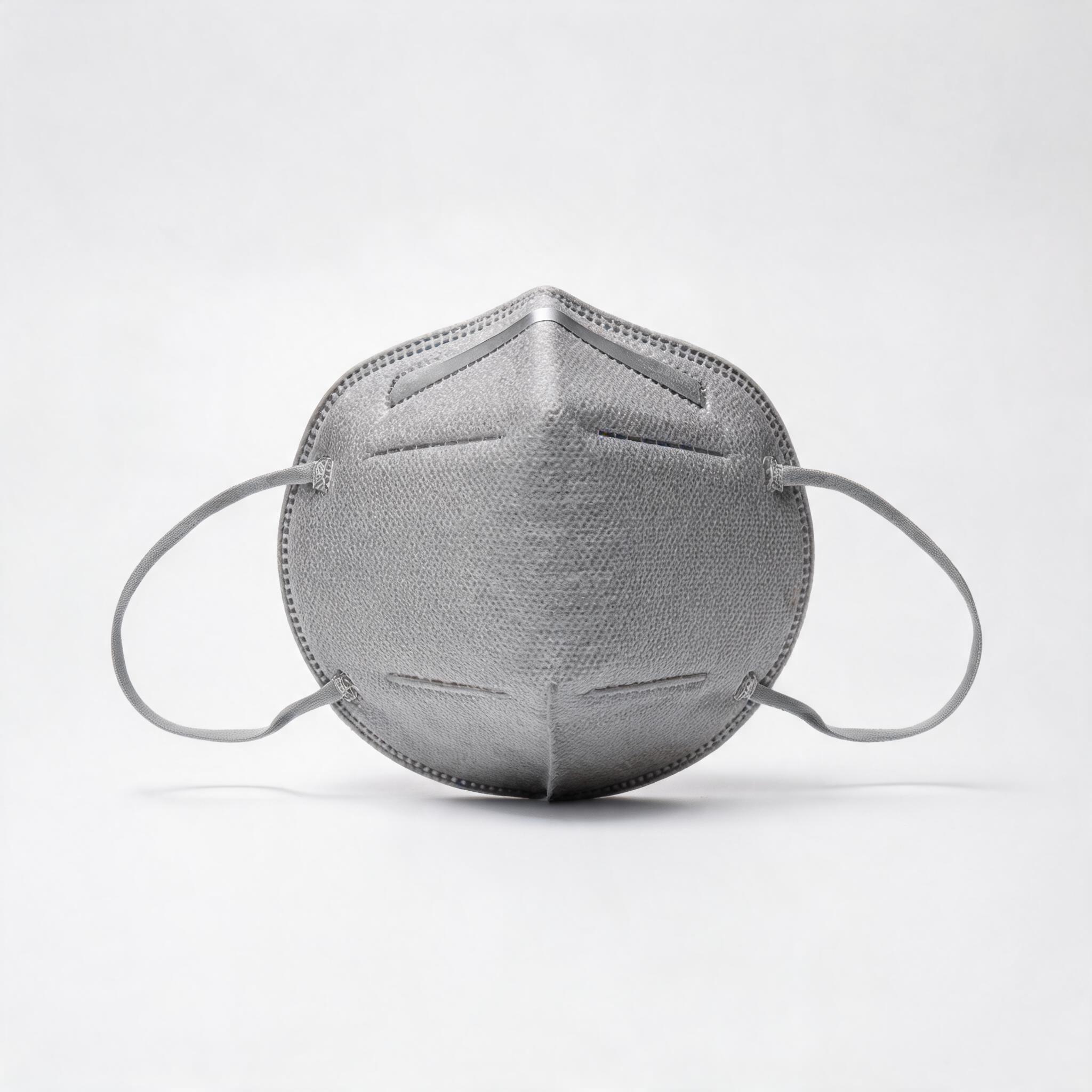
O design ergonômico de máscaras KN95 impacta diretamente a conformidade do trabalhador, o conforto e o custo total de propriedade. Este guia aborda a ajustabilidade da ponte nasal, tensão do elástico da orelha, design em copa vs. dobrável, teste de ajuste e critérios de seleção para compras B2B.
The Hidden Cost of Poor Ergonomic Fit in KN95 Masks
For procurement managers and safety officers, selecting a KN95 mask is rarely a one-size-fits-all decision. KN95 mask ergonomic design directly addresses a critical pain point: masks that fail to fit properly lead to compliance gaps, worker discomfort, and increased costs. When masks do not conform to facial contours, the consequences ripple beyond individual discomfort. In industrial settings, a loose seal reduces filtration efficiency, potentially exposing workers to airborne particulates. For healthcare environments, a poor fit can compromise infection control protocols.
The financial impact includes higher rejection rates, increased training time, and lower productivity as workers adjust masks frequently. A 2023 study in the Journal of Occupational and Environmental Hygiene found that workers are 40% more likely to remove or adjust masks that cause pressure points on the nose bridge or behind the ears. This behavioral response undermines even the highest filtration ratings.
Key Ergonomic Features for KN95 Mask Procurement
B2B buyers evaluating KN95 mask ergonomic design should prioritize these components:
Nose Bridge: Adjustability and Material Quality
The nose bridge is the primary seal point. Rigid, non-adjustable bridges often gap at the sides, especially for users with high nasal bridges or wider faces. Look for masks with:
- Malleable aluminum or foam-lined strips that hold shape after bending
- Length sufficient to span the entire nose bridge (typically 8–10 cm for adult sizes)
- Reinforced edges to prevent tearing during repeated adjustments
Some suppliers offer dual-layer nose bridges for enhanced seal, but verify this with the manufacturer as it may affect breathability. Understanding how KN95 breathing resistance affects safety can help you balance comfort with protection when evaluating these features.
Earloop Design: Tension, Material, and Attachment
Earloop comfort is a top complaint in B2B settings. Common issues include elastic that is too tight causing ear pain after 30 minutes, loops that slip off the ears during movement, and rough edges that irritate skin. Ergonomic solutions include:
- Wider, flat elastic bands (4–6 mm) that distribute pressure
- Adjustable toggles or buckle mechanisms for custom tension
- Silicone or foam ear cushions for extended wear
For high-volume procurement, request samples to test tension consistency across production lots. A variation of ±10% in elastic force can affect fit across a workforce.
Face Panel Shape: Cup vs. Flat-Fold
Two primary structures exist:
- Cup-shaped masks offer a pre-formed dome that maintains space from the mouth, reducing moisture buildup. The KN95 Cup Respirator exemplifies this design with a rigid thermoplastic shell that keeps the filter layer away from the mouth and nose.
- Flat-fold masks collapse for storage and expand to fit a range of facial shapes. They often have a vertical seam that improves chin coverage.
The choice depends on worker demographics. A diversified workforce may benefit from offering both styles. For more guidance on matching designs to applications, see our article on choosing the right KN95 respirator for your industry.
How to Evaluate KN95 Ergonomic Design for Your Workforce
Step 1: Conduct a Fit Test Across Diverse Facial Profiles
ISO 16975-3 outlines quantitative fit testing protocols. For B2B procurement, consider panel testing with 10–20 employees representing different face sizes (small, medium, large), measurement of leak points using a particle counter, and duration testing for 2-hour wear periods to assess comfort. Our guide on KN95 respirator fit testing and usage guidelines covers this process in detail.
Step 2: Review Supplier Documentation
Ask for design specifications for nose bridge material thickness and earloop elasticity, certification test reports (e.g., GB2626-2019) that include fit factor data, and user feedback summaries from previous B2B clients in similar industries.
Step 3: Prioritize Adjustability Over Fixed Features
Masks with fixed tension or non-adjustable bridges limit customization. In a 2024 survey of 500 manufacturing facilities, 68% reported lower compliance rates with fixed-design masks compared to adjustable ones. Ergonomic adjustability is a small upfront cost that reduces long-term waste.
Common Ergonomic Design Pain Points in B2B Settings
Nose Bridge Cracking or Losing Shape
Cheap aluminum strips can break after 2–3 adjustments. This is especially problematic in environments where masks are reused during shift breaks. Insist on nose bridges that withstand at least 10 bends without permanent deformation.
Earloop Slipping During Physical Activity
Workers in logistics, construction, or assembly lines often move their heads rapidly. Earloops that slip require constant readjustment, increasing contamination risk. Solutions include elastic with higher friction coefficient and headband attachments for high-motion tasks. For industrial workers, the KN95 Valve Respirator Black offers an alternative with its five-layer construction and adjustable fit system.
Skin Irritation from Extended Wear
For 8-hour shifts, materials matter. Hypoallergenic inner layers and non-latex earloops reduce dermatitis risks. Some suppliers offer masks with aloe vera or zinc oxide coatings, but these claims should be verified with material safety data sheets.
Comparison: Ergonomic vs. Standard KN95 Masks for Bulk Procurement
| Feature | Standard KN95 | Ergonomic KN95 |
|---|---|---|
| Nose bridge | Fixed, thin aluminum | Malleable, foam-lined, 8–10 cm |
| Earloop tension | Uniform, non-adjustable | Adjustable toggles or wider bands |
| Face panel shape | One-size, often flat-fold | Multiple sizes or cup-shaped options |
| Fit test pass rate (typical) | 60–70% | 85–95% |
| User comfort score (1–10) | 5–6 | 7–9 |
| Return rate | 8–12% | 2–5% |
Note: Prices and rates are approximate and vary by region and order volume. Confirm current figures with your supplier.
Use Cases: When Ergonomic Design Is Non-Negotiable
Healthcare Facilities with Extended Shifts
Nurses and doctors wearing masks for 10+ hours benefit from softer earloops and contoured nose bridges. A 2022 study at a large hospital found that switching to ergonomic KN95 masks reduced mask-related headaches by 33% and improved compliance by 22%. For healthcare sourcing strategies, see our article on sourcing KN95 masks for healthcare buyers.
Manufacturing Plants with High Heat or Humidity
Cup-shaped ergonomic masks with moisture-wicking inner layers reduce fogging in safety glasses. This is critical for assembly lines where vision clarity affects quality control. Learn more about how valved KN95 masks reduce heat stress for industrial workers.
Construction Sites with Dust and Debris
Workers need masks that stay sealed during bending, kneeling, and climbing. Flat-fold ergonomic masks with adjustable earloops perform better than standard ones in dynamic environments.
FAQ: Ergonomic Design for KN95 Mask Procurement
Q: How do I know if a KN95 mask has good ergonomic design without testing?
A: Request a sample pack and conduct a simple fit test with three employees of different face sizes. Check for nose bridge adjustability, earloop tension, and chin coverage. If the supplier cannot provide samples, proceed with caution.
Q: Can ergonomic design be customized for my workforce?
A: Many suppliers offer OEM options for nose bridge length, earloop material, and face panel shape. Minimum order quantities (MOQs) typically start at 10,000–50,000 units. Ask about lead times for custom molds.
Q: Does ergonomic design affect certification?
A: It should not, as long as the mask meets filtration standards (≥95% for particles ≥0.3 microns). However, changes to nose bridge or earloop design may require re-testing for fit factor. Confirm with your certification body.
Q: What is the typical lifespan of ergonomic features?
A: Nose bridge malleability lasts for 10–20 adjustments. Earloops maintain elasticity for 8–12 hours of continuous use. For reusable masks, replace after 40 hours of wear or if deformation occurs.
Selection Criteria for B2B Buyers
When evaluating suppliers, use this checklist:
- Ergonomic design documentation – Do they provide technical drawings of nose bridge and earloop?
- Sample testing – Can they provide 50–100 units for a workforce trial?
- Adjustability options – Are there multiple sizes or adjustable features?
- User feedback – Do they have testimonials from similar industries?
- Certification validity – Are test reports current (within 2 years)?
- Lead time – How long for custom ergonomic modifications?
- MOQ flexibility – Can they start with a pilot order?
The Role of Ergonomic Design in Long-Term Procurement Strategy
Investing in ergonomic KN95 masks reduces total cost of ownership. While per-unit cost is higher, lower return rates, fewer fit-test failures, and higher worker compliance translate to savings. For a 500-person facility, a 5% reduction in mask waste can save $2,000–$5,000 annually.
Moreover, ergonomic design supports sustainability goals. Masks that fit well are less likely to be discarded prematurely, reducing landfill waste. Some suppliers now offer recyclable nose bridge materials and biodegradable earloops.
Conclusion and Call to Action
Ergonomic design is not a luxury-it is a strategic procurement decision that affects safety, comfort, and cost. By focusing on nose bridge adjustability, earloop tension, and face panel shape, B2B buyers can improve compliance rates and reduce waste. The concept of KN95 mask ergonomic design should guide your evaluation of suppliers at every stage of the procurement process.
Ready to optimize your mask procurement? Contact our team for a free sample pack of ergonomic KN95 masks tailored to your workforce. We will help you conduct a fit test and provide a detailed comparison report.