
Gloves · selection guide

Medical Glove Selection Guide

Nitrile, latex and vinyl examination gloves compared — tactile sensitivity, chemical resistance, allergy profile and clinical fit.

Guia do comprador

O que considerar

01

Nitrile: the default for clinical and diagnostic work

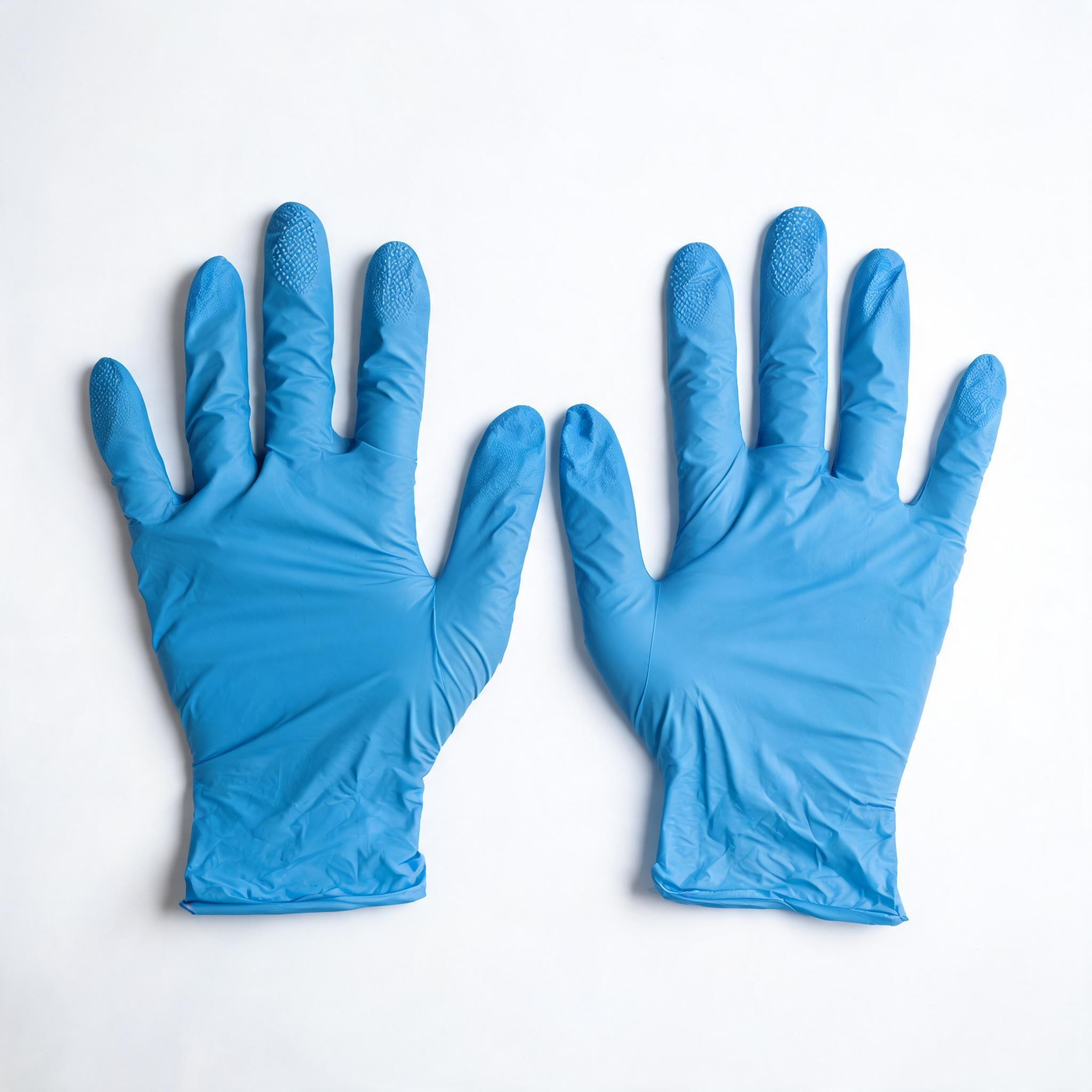
Nitrile gloves are made from synthetic rubber and offer strong puncture and chemical resistance without latex proteins. That combination makes them the standard choice for healthcare where latex allergy is a concern for both wearers and patients. For clinical and diagnostic tasks, nitrile gives the best balance of barrier strength, comfort and allergy safety, and modern formulations have closed most of the tactile-sensitivity gap with latex.

  • Strong puncture and chemical resistance
  • Latex-free, safe for allergy-sensitive settings
  • Good tactile sensitivity in modern formulations
02

Latex: maximum sensitivity where allergy is not a concern

Latex gloves offer excellent elasticity and tactile sensitivity, which makes them comfortable for precise, dexterous work. The trade-off is that latex proteins can cause allergic reactions in both wearers and patients, so latex is being replaced by nitrile in many settings. Choose latex only when maximum sensitivity matters more than allergy safety, and confirm your team and patient population can tolerate it.

  • Excellent elasticity and tactile sensitivity
  • Comfortable for precise, dexterous work
  • Latex proteins can cause allergic reactions
03

Vinyl: economical for low-risk, high-turnover tasks

Vinyl gloves are economical and latex-free but offer lower puncture resistance and a looser fit. They suit low-risk, short-duration tasks where cost matters more than barrier strength — food handling, light cleaning and general inspection. They are not a substitute for nitrile or latex where puncture or chemical resistance is required.

  • Economical and latex-free
  • Lower puncture resistance and looser fit
  • For low-risk, short-duration tasks
04

Match the glove to the task, then confirm sizing and certification

For clinical and diagnostic work, nitrile offers the best balance of barrier, comfort and allergy safety. Choose latex for maximum tactile sensitivity where allergy is not a concern, and vinyl for low-risk, high-turnover tasks. Then confirm the sizing range (XS to XL) covers your team, and for export verify the certification your market requires — FDA 510(k) clearance for the US — with the file naming the exact model you order.

  • Nitrile for clinical and diagnostic work
  • Latex for maximum sensitivity, vinyl for low-risk tasks
  • Confirm sizing range and certification file
FAQ do comprador

Perguntas comuns de compra

Why are nitrile gloves preferred in healthcare?+

Nitrile offers strong puncture and chemical resistance without latex proteins, making it safe for allergy-sensitive settings while maintaining good tactile sensitivity.

Are vinyl gloves as protective as nitrile?+

No. Vinyl gloves offer lower puncture resistance and a looser fit. They suit low-risk, short-duration tasks, while nitrile is better for clinical and diagnostic work.

What glove sizes are available?+

Medical examination gloves are typically available in sizes from extra small to extra large. Confirm the sizing range with your supplier for your team's needs.

Obter cotação

Conte-nos seus requisitos

Compartilhe o tipo de produto, a quantidade e o destino. Nossa equipe de exportação confirmará os arquivos de certificação, o MOQ e o prazo de entrega para o seu pedido.

  • Arquivos de certificação CE / FDA
  • MOQ, embalagem e prazo de entrega confirmado
  • Opções de OEM / marca própria para a sua marca
Product Inquiry
◆
Product Inquiry
Medical Glove Selection Guide (wholesale inquiry)
◆