01
Coverall vs isolation gown: know the coverage gap
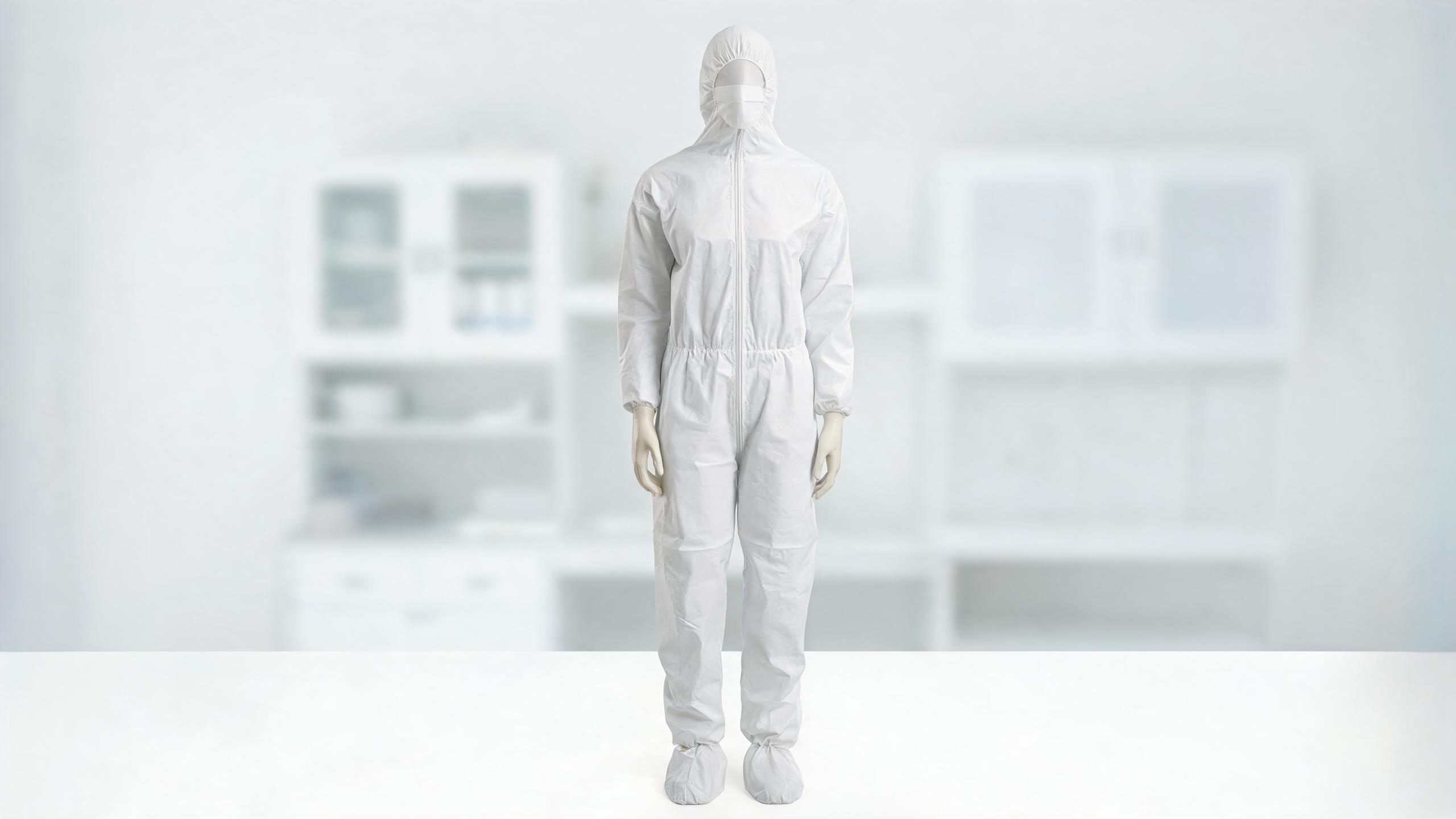
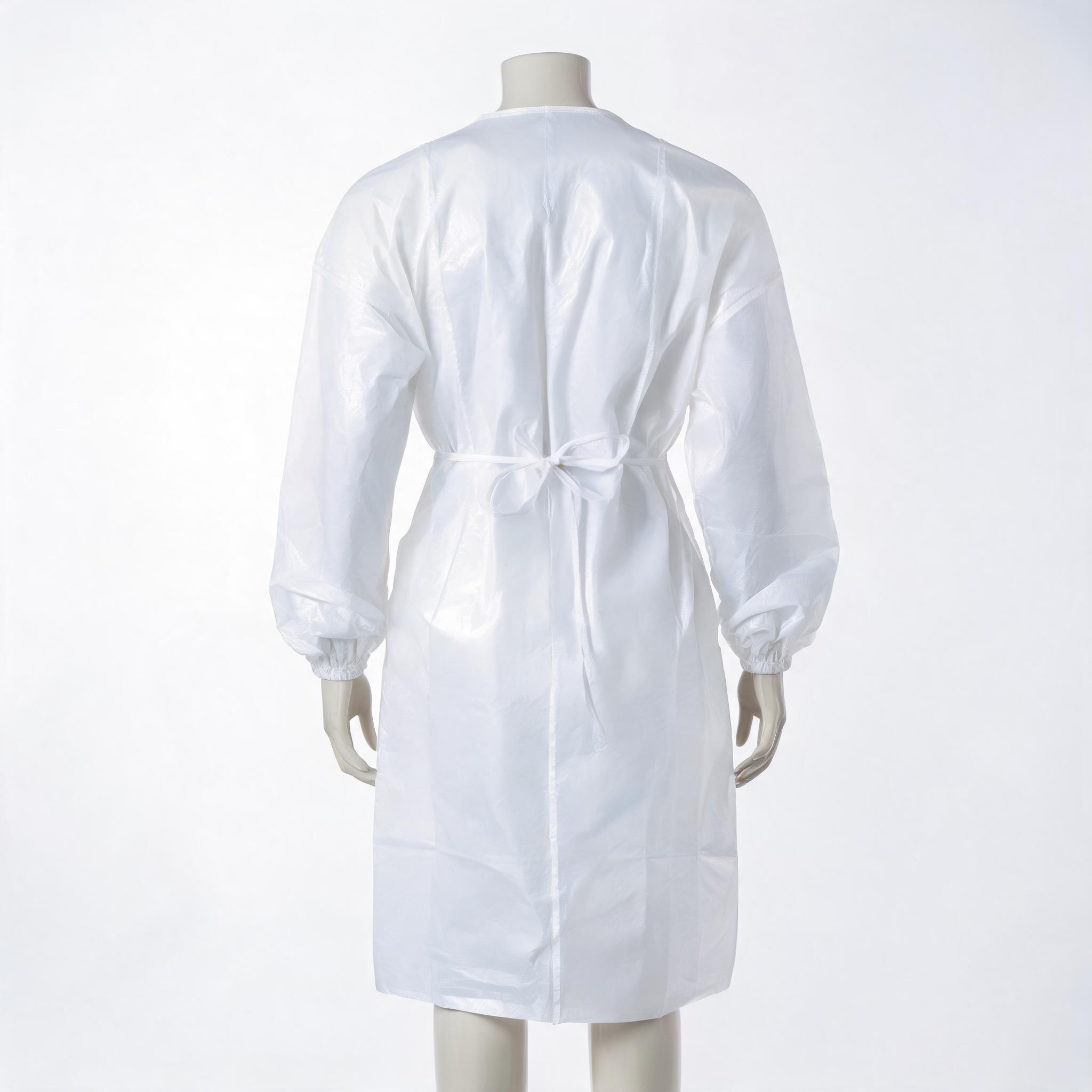
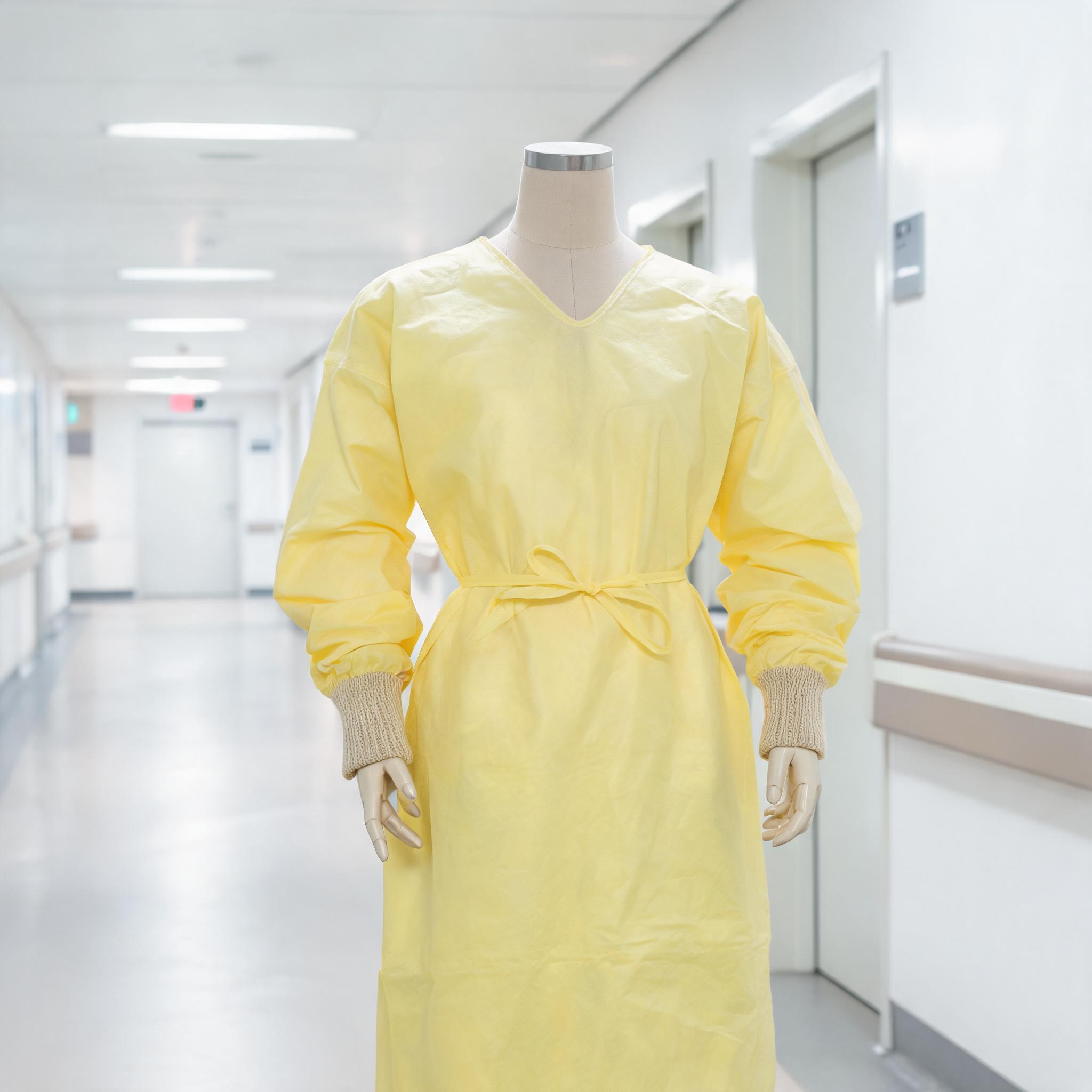
An isolation gown covers the torso and arms, while a coverall covers the whole body including the legs and often the head. The choice comes down to where the risk is. For tasks that only expose the torso and arms — routine patient care, low-fluid procedures — an isolation gown is sufficient and easier to don. Choose a coverall when the task risks splash or contamination across the full body, such as chemical handling, cleaning, or high-fluid procedures where legs and feet are exposed.
- Coverall covers torso, legs and often head
- Isolation gown covers torso and arms only
- Coverall suits full-body splash and contamination risk