
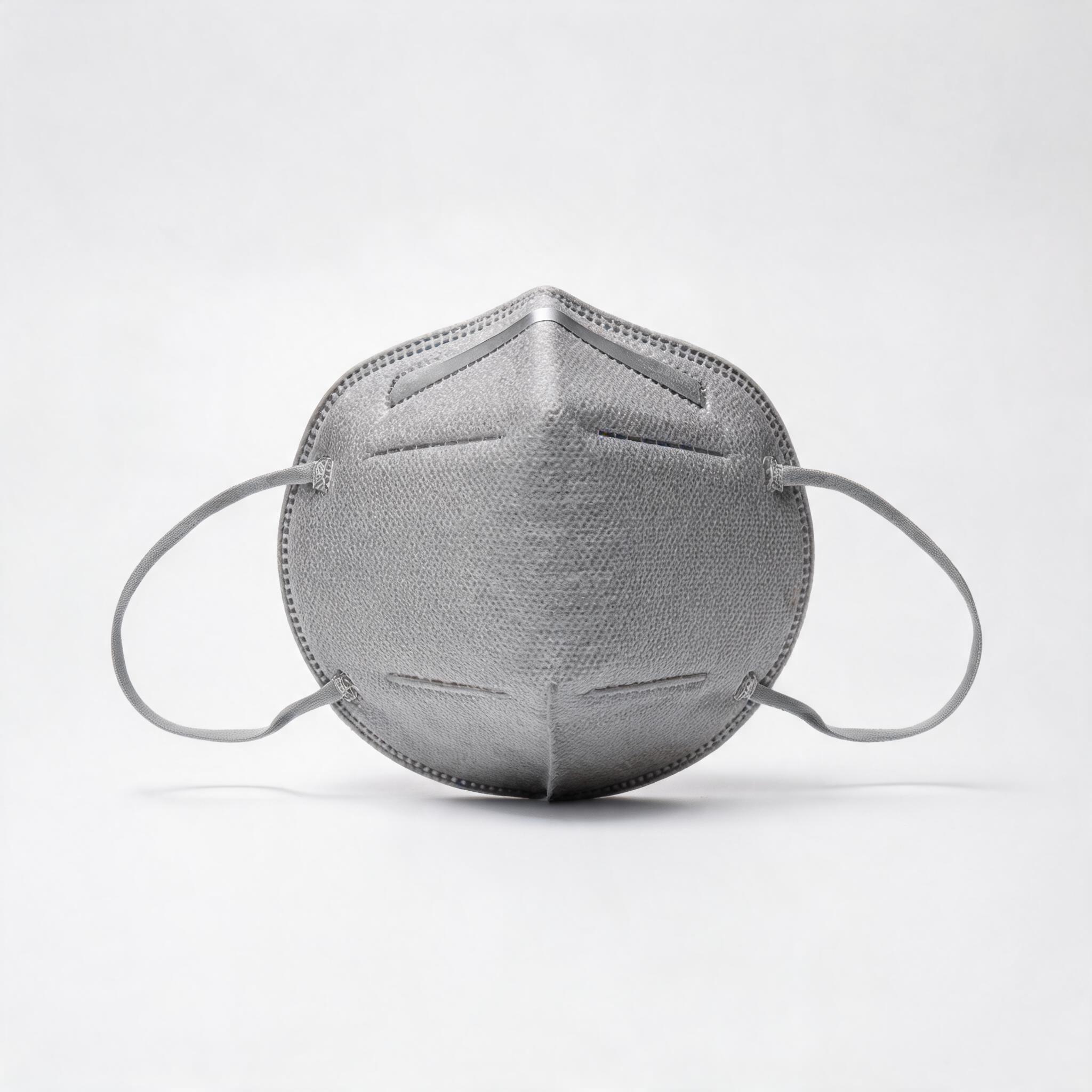
Отраслевое руководство по выбору респираторов KN95: здравоохранение (без клапана, чашеобразные), промышленность (с клапаном), фармацевтика (без клапана), с проверкой сертификации и сравнением чашеобразных и плоскосложенных моделей.
Buying Guide · KN95 Respirator Selection
How to Choose the Right KN95 Respirator for Your Industry
Selecting the right KN95 respirator is not a one-size-fits-all decision. Healthcare, industrial, pharmaceutical, and emergency response settings each have different requirements for fit, comfort, valve configuration, and certification. This guide helps procurement teams match respirator specifications to their specific industry needs.
Decision framework: Choose based on three factors: (1) your industry's regulatory requirements, (2) wear duration and physical demands, (3) whether source control is needed. The right respirator balances protection, comfort, and compliance.
Industry-Specific Requirements
| Industry | Recommended Type | Key Consideration |
|---|---|---|
| Healthcare (patient contact) | Non-valved KN95 cup | Source control required; no exhalation valve |
| Surgical/operating room | Non-valved, fluid-resistant | Splash protection; tight seal |
| Industrial/construction | Valved KN95 | Heat reduction; extended wear comfort |
| Pharmaceutical/cleanroom | Non-valved KN95 cup | Particulate control; no valve contamination |
| Emergency response | Valved KN95 (field) / Non-valved (clinical) | Versatility; comfort in varied conditions |
| Public-facing/security | Valved KN95 black | Professional appearance; extended wear |
Cup vs Flat-Fold: Structural Choice
The KN95 cup respirator features a rigid thermoplastic shell that maintains its shape during extended wear. The cup design keeps the filter medium away from the mouth and nose, preserving airflow volume and fit consistency across 8+ hour shifts. At approximately 4.5g per unit, it adds minimal neck load.
Flat-fold designs are more compact for storage and transport but may collapse against the face during heavy breathing. For extended-shift applications, the cup format is generally preferred. For more on this comparison, see our article on cup-style KN95 for industrial protection.
Valved vs Non-Valved: When Each Makes Sense
Choose Valved When:
- Workers wear respirators for 6+ hours in warm environments
- Physical exertion raises breathing demand (construction, mining)
- Source control is not required (industrial settings without patient contact)
- Fogging of eye protection is a problem
The KN95 valve respirator in black features a one-way exhalation valve that reduces heat and CO₂ buildup. For detailed analysis, see valved KN95 masks for heat stress reduction.
Choose Non-Valved When:
- Source control is required (healthcare, patient-facing settings)
- Sterile environment protocols prohibit exhalation valves
- Regulatory requirements mandate source control
Certification Verification for Each Industry
Regardless of industry, verify the following before procurement:
- GB2626-2006 test report: Confirms ≥95% filtration at 0.3µm
- CE marking: Required for EU market access
- Batch QC documentation: Ensures consistency across the production lot
- Fit test compatibility: Ensure the respirator model is compatible with your organization's fit testing protocol. See KN95 respirator fit testing guidelines.
For supplier evaluation, use our complete supplier selection criteria and the factory audit checklist.
FAQ
Which KN95 respirator is best for healthcare?
A non-valved cup-style KN95 with CE marking is the standard choice for healthcare. The cup design maintains seal integrity during extended shifts, and the non-valved configuration provides source control. The KN95 Cup Respirator Grey from Justsun meets these requirements.
Can I use the same KN95 model for industrial and healthcare?
It depends. If your industrial setting does not require source control, a valved model may be more comfortable. Healthcare settings require non-valved respirators. Some organizations maintain both valved (industrial) and non-valved (healthcare) inventory.
Conclusion
Choosing the right KN95 respirator means matching the design (cup vs flat-fold), valve configuration (valved vs non-valved), and certification to your industry's specific requirements. For healthcare, a non-valved cup respirator with CE marking is the standard. For industrial use, a valved respirator improves worker comfort and compliance. Always verify certification documentation before ordering.