
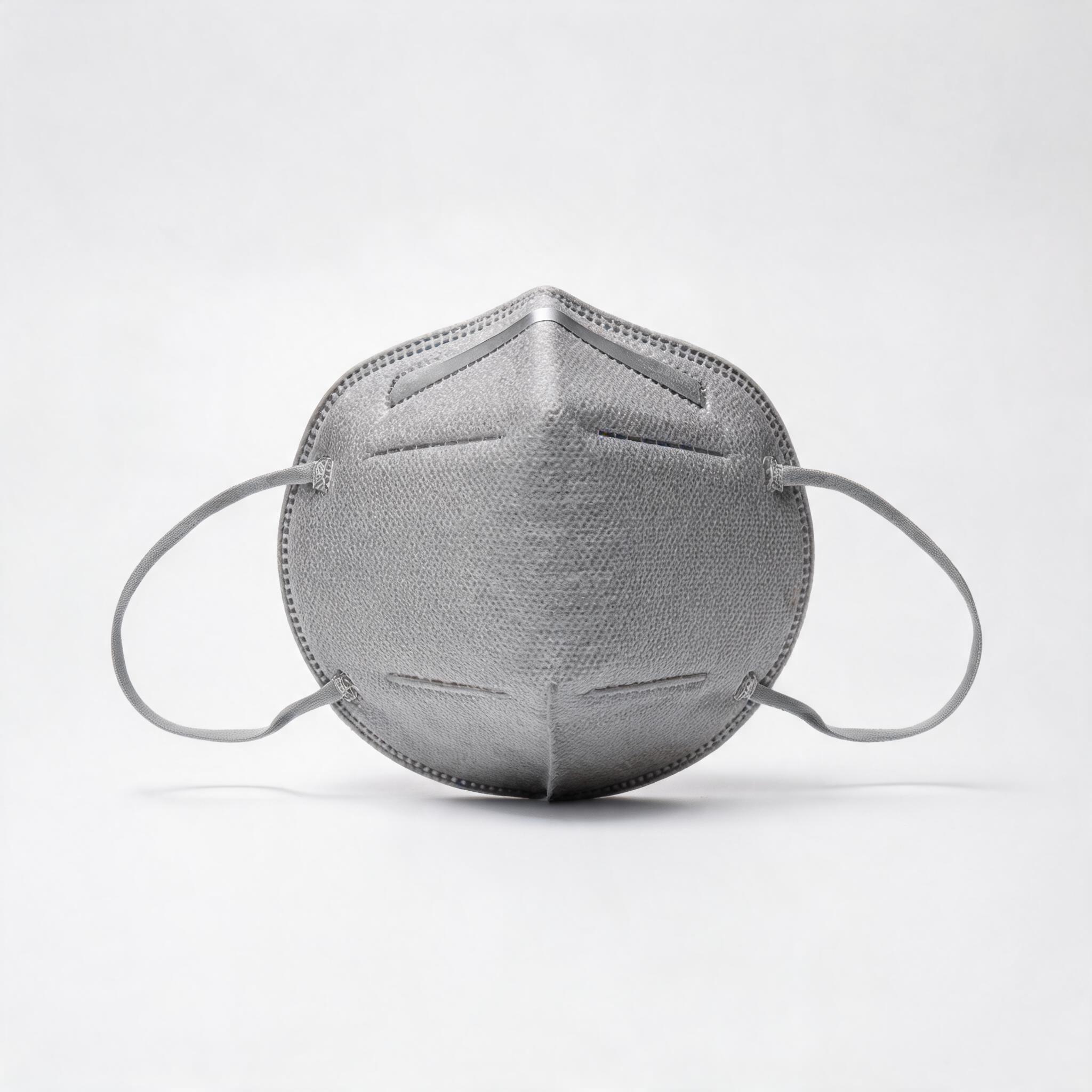
Полное руководство по международной доставке масок KN95: способы перевозки (море/авиа/экспресс-доставка), необходимые экспортные документы, таможенные требования для ЕС/США/других рынков, стандарты упаковки, стратегии контроля затрат и частые проблемы при доставке.
KN95 Mask Shipping & Export Logistics
How to Ship KN95 Masks Internationally: Complete Logistics Guide
Shipping KN95 masks internationally involves more than booking a freight forwarder. For procurement teams managing cross-border PPE orders, the logistics chain—from factory pickup to customs clearance to final delivery—determines whether your stock arrives on time, passes inspection, and stays within budget. This guide walks through the real-world shipping process for KN95 respirators, covering freight modes, documentation, customs requirements, packaging standards, and cost-control strategies that B2B buyers need to know.
Key Takeaway: The most common shipping failures for KN95 mask orders are not freight delays—they are documentation gaps (missing CE/FDA certificates, incomplete commercial invoices) and packaging that cannot withstand container transit. Getting these right before loading saves weeks of customs hold time.
Freight Modes for KN95 Mask Export
KN95 masks are lightweight but voluminous, which means freight cost is driven more by volume than weight. Understanding how each freight mode fits different order sizes is the first decision in your shipping plan.
| Freight Mode | Typical Order Size | Transit Time | Cost Profile | Best For |
|---|---|---|---|---|
| Sea Freight (FCL) | 500,000+ pcs | 25–40 days | Lowest per-unit | Large government/institutional orders |
| Sea Freight (LCL) | 100,000–500,000 pcs | 30–45 days | Low, plus consolidation fees | Mid-size distributor orders |
| Air Freight | 50,000–200,000 pcs | 5–10 days | 3–5× sea freight | Urgent hospital/NGO supply |
| Express Courier | Up to 10,000 pcs | 3–7 days | Highest, door-to-door | Samples, small trial orders |
Sea Freight: The Default for Volume Orders
A standard 20-foot container holds approximately 8–10 million KN95 masks when efficiently palletized. A 40-foot HQ container accommodates roughly 18–20 million units. For buyers ordering at container scale, FCL (Full Container Load) is almost always more cost-effective than LCL (Less than Container Load), because LCL involves consolidation and deconsolidation fees at both ends, plus higher damage risk from mixed cargo.
The critical detail with sea freight is moisture control. KN95 masks use meltblown polypropylene filters that carry electrostatic charge—excessive humidity during transit can degrade filtration efficiency. Use container desiccants and ensure the inner cartons are sealed with moisture barriers. Monitor the container's humidity target at below 60% RH for the full voyage.
Air Freight: When Speed Outweighs Cost
For emergency procurement—pandemic response, hospital stockout situations—air freight is the practical choice. Transit time from China to most destinations is 5–10 days including customs. The trade-off is cost: air freight typically runs 3–5× the per-unit cost of sea freight for mask shipments. For orders under 200,000 pieces where speed matters, air freight remains the viable option.
Essential Shipping Documents for KN95 Mask Export
Customs clearance failures are the number-one cause of shipping delays for KN95 mask orders. The documentation package must be complete and accurate before goods leave the factory. Here is what every shipment needs:
- Commercial Invoice: Must include HS code (typically 6307.90 for face masks), unit price, total value, Incoterms, and country of origin. Vague descriptions like "face masks" without specifying "KN95 respirator" can trigger customs holds.
- Packing List: Detail carton counts, pieces per carton, gross/net weight, and carton dimensions. Customs uses this to verify the shipment matches the declared value.
- Certificate of Origin (COO): Required by many importing countries for tariff purposes. A China-issued COO may qualify for preferential tariff rates under free trade agreements.
- CE Certificate or FDA Registration: The importing country's customs authority will verify that the product meets their medical device or PPE import requirements. Include the original certificate copy, not a summary. If you need to verify a supplier's KN95 mask CE certification before shipping, request the Notified Body number and check it against the EU NANDO database.
- Declaration of Conformity (DoC): A manufacturer-signed document stating the product meets the claimed standard (GB2626-2006 for KN95). EU customs specifically looks for this under PPE Regulation 2016/425.
- Test Reports: BFE/PFE filtration test results from an accredited lab. Some customs authorities request these at the border, particularly for first-time importers.
- Bill of Lading (B/L) or Air Waybill (AWB): The transport document issued by the carrier. For sea freight, the B/L serves as title to the goods; for air freight, the AWB is non-negotiable.
Pro Tip: Have your supplier send a digital document package (PDF scans of all certificates, test reports, and the DoC) at least 7 days before the shipment departs. This gives your customs broker time to pre-clear or flag any issues. Waiting until the goods arrive to sort out documentation can add 2–3 weeks of storage fees at the destination port.
Customs Requirements by Destination Market
European Union
KN95 masks entering the EU must carry CE marking under PPE Regulation (EU) 2016/425 or Medical Device Regulation (MDR) 2017/745, depending on classification. Customs will verify the CE mark is present on packaging and that the Notified Body number is valid. The CE KN95 mask customs clearance process also requires a DoC in English (or the importing country's language). Some EU member states have additional national requirements—for example, Germany's BfArM registration for medical-grade masks sold in the German market.
United States
FDA registration and NIOSH approval status determine US import eligibility. During the EUA period, the FDA maintained an imported respirator list; post-EUA, KN95 masks must follow the standard 510(k) or NIOSH approval pathway. US Customs and Border Protection (CBP) may detain shipments lacking proper FDA documentation. Work with a customs broker experienced in medical device imports to navigate this.
Other Markets
For markets in Southeast Asia, the Middle East, and Latin America, requirements vary widely. Some countries accept CE certification; others require local registration (such as Indonesia's SNI mark or Saudi Arabia's SFDA approval). Research the specific import regulations of your destination country before placing the order.
Packaging Standards for International Shipping
KN95 mask packaging must protect the product through weeks of transit while meeting regulatory labeling requirements. The standard packaging hierarchy is:
- Inner packaging: Individual polybag or 5-pcs sealed bag (maintains hygiene and extends shelf life)
- Inner box: 50 pcs per box (standard industry format for KN95 respirators)
- Master carton: Typically 40–50 inner boxes per carton (2,000–2,500 pcs), with gross weight kept under 25 kg for manual handling
- Palletization: Cartons shrink-wrapped on standard pallets (1.2m × 1.0m or 1.2m × 0.8m), with corner boards for stack stability
Each carton must display: product name, model/standard (GB2626-2006), manufacturing date, expiry date, batch number, quantity, manufacturer name and address, CE mark (if applicable), and storage conditions. Missing or incorrect labeling is a common reason for customs to refuse entry.
Cost Control Strategies
Freight cost can represent 15–40% of the landed cost of a KN95 mask order, depending on volume and shipping mode. Strategies to control this:
- Consolidate orders: Shipping one 40-foot container is cheaper per unit than two 20-foot containers. If your demand allows, consolidate into FCL.
- Compare Incoterms carefully: FOB (Free on Board) gives you control over freight and insurance; CIF (Cost, Insurance, Freight) is simpler but the supplier's freight markup may be higher than your broker's rate. For regular shipments, FOB with your own forwarder typically saves 5–10%.
- Plan for off-peak shipping: Peak season (September–January) sees 20–40% higher freight rates. If your inventory cycle allows, schedule shipments for February–May for better rates and vessel availability.
- Factor in duties and taxes: Import duties on medical masks vary: some countries have zero-rated PPE duties, while others apply 5–15%. VAT/GST also applies. Calculate the full landed cost before committing to an order quantity.
Common Shipping Problems and How to Avoid Them
- Customs detention: Incomplete or missing CE/FDA documentation. Solution: Pre-clear all documents with your customs broker before the shipment departs.
- Carton collapse in transit: Overstacked pallets or weak carton material. Solution: Specify 5-layer corrugated cartons and limit pallet height to 1.8m.
- Moisture damage: Condensation in sea containers degrades meltblown filter charge. Solution: Use desiccants and moisture barrier bags for long voyages.
- Demurrage charges: Container sitting at port past free time due to customs delays. Solution: Ensure document completeness before arrival; use a broker with port experience.
- Lost or misrouted shipments: Inaccurate B/L information. Solution: Double-check consignee details, notify party, and delivery address before signing the B/L.
Working with Your Supplier on Logistics
Your supplier's experience with export logistics directly affects your shipping experience. A manufacturer like Justsun (Xiamen Jiasheng), which has been exporting disposable medical supplies since 1997, will have established freight forwarder relationships, standardized export documentation processes, and experience with multiple destination market requirements. Ask potential suppliers about their typical export markets, their preferred Incoterms, and whether they can provide door-to-door service or only FOB terms.
For more on evaluating suppliers, see our guide on how to evaluate a KN95 mask supplier for import, which covers factory audit checks, quality verification, and export documentation readiness.
Conclusion: Plan Documentation Before Freight
The single most impactful step in KN95 mask shipping is getting your documentation package right before the goods leave the factory. Freight mode selection, packaging standards, and customs broker selection all matter—but incomplete certificates and missing declarations cause more delays than any other factor. Build a shipping checklist that includes all required documents, verify them with your customs broker, and maintain a digital copy accessible throughout transit. With proper planning, your KN95 mask order can move from factory to destination warehouse with minimal friction.
For additional logistics guidance, see our related articles on how to ship KN95 masks overseas and shipping KN95 protective masks by sea and air.