
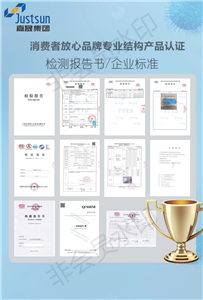
GB2626-2006 подтверждает характеристики продукта KN95; маркировка CE предоставляет доступ на рынок ЕС. Для импорта в ЕС требуется и то, и другое. Это руководство охватывает различия в сертификации, процесс получения маркировки CE и контрольный список импортной документации.
Certification Standards · EU Compliance
What KN95 vs FFP2 Certification Differences Mean for EU Import
The certification differences between KN95 and FFP2 directly impact EU import compliance. Understanding these differences helps importers avoid customs delays, rejected shipments, and compliance liabilities. This article breaks down what each certification requires and how to ensure your KN95 shipment meets EU import standards.
Critical distinction: GB2626-2006 (KN95) is a Chinese product standard. CE marking under PPE Regulation (EU) 2016/425 is the EU regulatory requirement. A KN95 respirator needs BOTH - GB2626 for product performance and CE marking for EU market access. Without CE marking, KN95 cannot be legally imported as PPE into the EU.
GB2626-2006: What It Covers
GB2626-2006 is China's national standard for respiratory protective equipment. It specifies:
- Filtration efficiency ≥95% at 0.3µm (NaCl aerosol)
- Inhalation resistance ≤350 Pa
- Exhalation resistance ≤250 Pa
- Total inward leakage ≤8% (human subject testing)
- Dead space, field of vision, and flammability requirements
GB2626-2006 is a product performance standard, not a market access certification. It proves the respirator performs to the KN95 level but does not grant EU market access. For that, CE marking is required. Our article on KN95 CE certification for EU import covers this in detail.
EN 149: What It Covers
EN 149 is the European standard for filtering half masks. FFP2 classification under EN 149 requires:
- Filtration efficiency ≥94% at 0.3µm
- Total inward leakage ≤8%
- Breathing resistance thresholds at specified flow rates
- Flammability, carbon dioxide content, and marking requirements
EN 149 certification is obtained through a Notified Body under the PPE Regulation. It includes type examination (Module B) and production quality assurance (Module C2 or D).
CE Marking: The Bridge for EU Import
For KN95 respirators to enter the EU market, they must carry CE marking under PPE Regulation (EU) 2016/425. The CE marking process for KN95 typically involves:
- Module B (EU type examination): A Notified Body assesses the product design against PPE Regulation requirements. This may be based on EN 149 testing or equivalent.
- Module C2 or D (production quality assurance): Ongoing production surveillance to ensure batch consistency.
- Technical documentation: Risk assessment, test reports, user instructions, and declaration of conformity.
The KN95 cup respirator from Justsun carries CE marking, making it eligible for EU import. For verification steps, see our guide on verifying KN95 CE certificate authenticity.
Import Documentation Checklist
For EU import of CE-marked KN95 respirators, prepare:
- CE certificate with Notified Body number (verifiable in NANDO)
- GB2626-2006 test report
- Declaration of Conformity (signed by manufacturer)
- Technical file (available upon customs request)
- Packaging with CE marking and manufacturer information
- Batch/lot numbers for traceability
For customs-specific requirements, our KN95 export customs requirements guide covers documentation in detail.
FAQ
Can I import KN95 without CE marking to the EU?
No. CE marking is mandatory for PPE imported into the EU. Without it, customs will reject the shipment. If a supplier claims their KN95 is "equivalent to FFP2" but has no CE marking, the product cannot legally enter the EU as PPE.
Is GB2626-2006 enough for EU import?
No. GB2626-2006 is a product performance standard, not an EU market access certification. You need CE marking under PPE Regulation (EU) 2016/425 in addition to the GB2626 test report. See KN95 CE marking requirements for the Notified Body process.
Does the KN95 need EN 149 testing for EU import?
Not necessarily. The Notified Body may accept GB2626-2006 testing as the technical basis for CE marking, or may require additional EN 149 testing. The specific requirements depend on the Notified Body's assessment. The CE customs clearance guide covers this in more detail.
Conclusion
The certification difference is clear: GB2626-2006 proves KN95 performance, CE marking grants EU market access. For EU import, you need both. Always verify the CE certificate's Notified Body in the NANDO database and ensure all import documentation is complete before shipping. Working with an established manufacturer like Justsun that provides both GB2626 test reports and CE documentation streamlines the import process.