
A practical comparison guide for B2B medical procurement professionals choosing between nitrile and latex disposable exam gloves. Covers material performance, allergen risks, regulatory compliance (EN 455), cost factors, and a supplier evaluation checklist to help buyers make informed, safe purchasing decisions.
MEDICAL GLOVES PROCUREMENT GUIDE
Why This Comparison Matters for B2B Buyers
For medical procurement professionals, the choice between nitrile and latex exam gloves is not just a preference—it is a decision that affects staff safety, patient outcomes, regulatory compliance, and the bottom line. Both materials have been widely used in healthcare for decades, but their differences in performance, allergen risk, and cost are critical when selecting a supplier.
This guide provides a fact-based comparison of nitrile gloves vs latex gloves for B2B buyers. It covers material properties, allergen profiles, regulatory standards like EN 455, and practical procurement decision factors. Whether you are sourcing for a hospital, clinic, or laboratory, this article helps you ask the right questions when evaluating a nitrile gloves manufacturer or any disposable glove supplier.
- Nitrile gloves offer superior chemical resistance and are latex-free, eliminating Type I allergen risk.
- Latex gloves provide higher tactile sensitivity and elasticity but carry a well-documented allergen risk for both users and patients.
- Both materials can meet EN 455 standards; verify certification documents directly with the manufacturer.
- Cost per glove is lower for latex, but total cost of ownership must include allergy management, compliance, and liability.
- Supplier evaluation should focus on certification, batch consistency, MOQ flexibility, and lead time reliability.
Material Performance: Nitrile vs Latex at a Glance

Before diving into procurement specifics, it helps to understand the core material differences. The table below summarizes key performance attributes for medical exam gloves.
| Property | Nitrile Gloves | Latex Gloves |
|---|---|---|
| Material | Synthetic rubber (acrylonitrile butadiene) | Natural rubber latex |
| Allergen Risk | None (latex-free) | Type I (immediate) and Type IV (delayed) allergy |
| Tensile Strength (before aging) | ≥ 14 MPa (EN 455 requirement) | ≥ 14 MPa (EN 455 requirement) |
| Puncture Resistance | Higher than latex (3–5x more puncture-resistant) | Moderate |
| Chemical Resistance | Excellent (resistant to many solvents, oils, and acids) | Poor (degrades with oils and many chemicals) |
| Tactile Sensitivity | Good (improved with textured surface or thinner gauge) | Excellent (high elasticity and fit) |
| Elasticity | Moderate (less elastic than latex) | Excellent (high stretch and recovery) |
| Powdered Option | Rare (most are powder-free) | Available (but increasingly restricted) |
| Biodegradability | Non-biodegradable | Biodegradable (natural rubber) |
| Cost per Glove (approx.) | Higher (20–50% more than latex) | Lower |
Allergen Risk: A Critical Safety Factor
Latex Allergy: Types and Prevalence
Natural rubber latex contains proteins that can cause allergic reactions. Two main types exist:
- Type I (Immediate Hypersensitivity): Caused by latex proteins. Symptoms range from urticaria (hives) to anaphylaxis. Prevalence in healthcare workers is estimated at 5–15%, and in the general population at 1–6%.
- Type IV (Delayed Hypersensitivity): Caused by chemical additives (accelerators) used in glove manufacturing. Manifests as contact dermatitis. More common than Type I, affecting up to 10% of regular glove users.
For B2B buyers, the implications are clear: if your staff or patients have a known latex allergy, or if you cannot screen for it reliably, nitrile gloves are the safer choice. Many healthcare facilities in Europe and North America have moved to latex-free policies, especially in surgical and exam settings.
Nitrile: The Latex-Free Alternative
Nitrile gloves are made from synthetic rubber and contain no natural latex proteins. They eliminate the risk of Type I latex allergy entirely. However, some users may still experience Type IV reactions due to accelerators (e.g., thiurams, dithiocarbamates) used in the curing process. Accelerator-free nitrile gloves are available for sensitive users.
When sourcing from a nitrile gloves manufacturer, ask about the accelerator content and whether they offer accelerator-free options. This is especially relevant for long-term wear or for users with a history of contact dermatitis.
Regulatory Standards: EN 455 and Beyond
For medical gloves sold in the European market, compliance with EN 455 is mandatory. This standard covers four parts:
- EN 455-1: Freedom from holes (water leak test).
- EN 455-2: Physical properties (tensile strength, elongation before and after aging).
- EN 455-3: Biological evaluation (endotoxin limits, biocompatibility).
- EN 455-4: Shelf-life determination (stability testing).
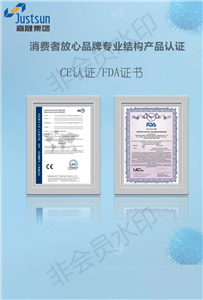
Both nitrile and latex exam gloves can meet EN 455. As a buyer, you should request the Declaration of Performance (DoP) and the CE certificate from the manufacturer. Do not rely on marketing claims—verify the certification number and the issuing body (e.g., TÜV SÜD, BSI, SGS).
Other relevant standards include:
- ASTM D6319 (US standard for nitrile gloves)
- ASTM D3577 (US standard for rubber surgical gloves)
- ISO 11193 (International standard for single-use medical gloves)
- FDA 510(k) clearance for US market entry
Procurement Decision Factors: A Buyer's Checklist
When comparing disposable exam gloves for B2B procurement, consider the following factors beyond material type:
1. Application and Use Case
- General examination: Both nitrile and latex work, but nitrile is preferred for non-latex environments.
- Surgical procedures: Latex offers superior tactile feel; nitrile surgical gloves are available but may feel stiffer.
- Laboratory / chemical handling: Nitrile is strongly preferred due to chemical resistance.
- Long-term wear: Nitrile may cause hand fatigue due to lower elasticity; consider ergonomic design or frequent changes.
2. Cost and Total Cost of Ownership
Latex gloves are typically 20–50% cheaper per box than nitrile. However, the total cost of ownership includes:
- Allergy management (testing, alternative gloves, liability insurance).
- Compliance costs (latex-free policies may require full switch to nitrile).
- Waste disposal (nitrile is not biodegradable; latex is).
For high-volume buyers, even a small price difference per glove can add up. But a single allergic reaction incident can cost far more than the savings from choosing latex.
3. Supplier Reliability and Quality Consistency
When evaluating a nitrile gloves manufacturer or any glove supplier, ask for:
- Batch-to-batch consistency reports (tensile strength, thickness, pinhole rate).
- Third-party test reports (e.g., from SGS, TÜV, or Intertek).
- Lead time and MOQ (minimum order quantity). Many manufacturers require MOQs of 10,000–50,000 boxes for direct factory pricing.
- Packaging options (bulk boxes, dispenser boxes, private labeling).
4. Regulatory Documentation
Request these documents before placing an order:
- CE certificate (EU Medical Device Regulation MDR or MDD).
- EN 455 test report (parts 1–4).
- FDA 510(k) clearance (if targeting US market).
- ISO 13485 certificate (quality management system for medical devices).
- Raw material supplier certificates (latex or nitrile compound source).
5. Sustainability and End-of-Life
Latex gloves are biodegradable (natural rubber), while nitrile gloves are not. If your organization has sustainability goals, this may be a factor. However, nitrile gloves can be incinerated for energy recovery. Some manufacturers now offer bio-based nitrile gloves made from renewable sources—ask if this is available.
Common Mistakes B2B Buyers Make
- Choosing based on price alone: The cheapest glove may have higher pinhole rates, lower tensile strength, or inconsistent sizing, leading to safety incidents and staff complaints.
- Skipping certification verification: Some suppliers claim EN 455 compliance but cannot provide test reports. Always ask for the actual certificate and test report.
- Ignoring user feedback: Staff who wear gloves for hours will notice differences in fit, feel, and durability. Involve end-users in the evaluation process.
- Not testing samples: Order sample boxes from shortlisted suppliers and conduct your own in-house testing (water leak test, tensile test, fit test) before committing to a large order.
Frequently Asked Questions (FAQ)
Q: Are nitrile gloves as strong as latex gloves?
Yes, nitrile gloves generally have higher puncture resistance than latex gloves of the same thickness. Both materials meet the EN 455 requirement of ≥ 14 MPa tensile strength before aging.
Q: Can I use nitrile gloves for surgical procedures?
Yes, but you need surgical-grade nitrile gloves (sterile, with specific dimensions and strength requirements). They are available but may feel less elastic than latex surgical gloves. Many surgeons now use nitrile due to latex allergy concerns.
Q: What is the difference between powdered and powder-free gloves?
Powdered gloves (usually with cornstarch) make donning easier but can cause respiratory irritation and wound contamination. Many healthcare facilities have banned powdered gloves. Powder-free gloves are coated (e.g., with polymer) for easy donning without powder.
Q: How do I verify a manufacturer's EN 455 certification?
Ask for the Declaration of Performance (DoP) document and the CE certificate. The certificate should list the standard (EN 455) and the notified body (e.g., TÜV SÜD, BSI, SGS). You can also check the notified body's database for the certificate number.
Q: What MOQ should I expect from a nitrile gloves manufacturer?
For direct factory pricing, MOQs typically range from 10,000 to 50,000 boxes (100–200 gloves per box). Smaller MOQs are available from distributors but at higher per-unit costs. Some manufacturers offer sample orders (1–5 boxes) for evaluation.
Conclusion: Making the Right Choice for Your Organization
The decision between nitrile and latex exam gloves is not one-size-fits-all. It depends on your specific application, user population, budget, and regulatory requirements. For most modern healthcare settings, nitrile gloves are the safer and more versatile choice, especially where latex allergy is a concern. Latex gloves remain a cost-effective option for low-risk, non-allergenic environments where tactile sensitivity is paramount.
As a B2B buyer, your job is to evaluate suppliers rigorously—not just on material type, but on certification, quality consistency, and service reliability. Use the checklist in this guide to shortlist suppliers, request samples, and verify documentation before committing to a contract.
If you are currently sourcing disposable exam gloves and need a reliable nitrile gloves manufacturer with EN 455 compliance, contact our team for a product specification sheet and certification package. We can also provide samples for evaluation.
For more procurement guides, visit our resources page.