Protective gowns Β· coveralls

Disposable Coverall Application Guide

When a full-body coverall beats an isolation gown β€” hood, elastic cuffs, seam sealing and splash protection for higher-risk tasks.

Buyer guide

What to consider

01

Coverall vs isolation gown: know the coverage gap

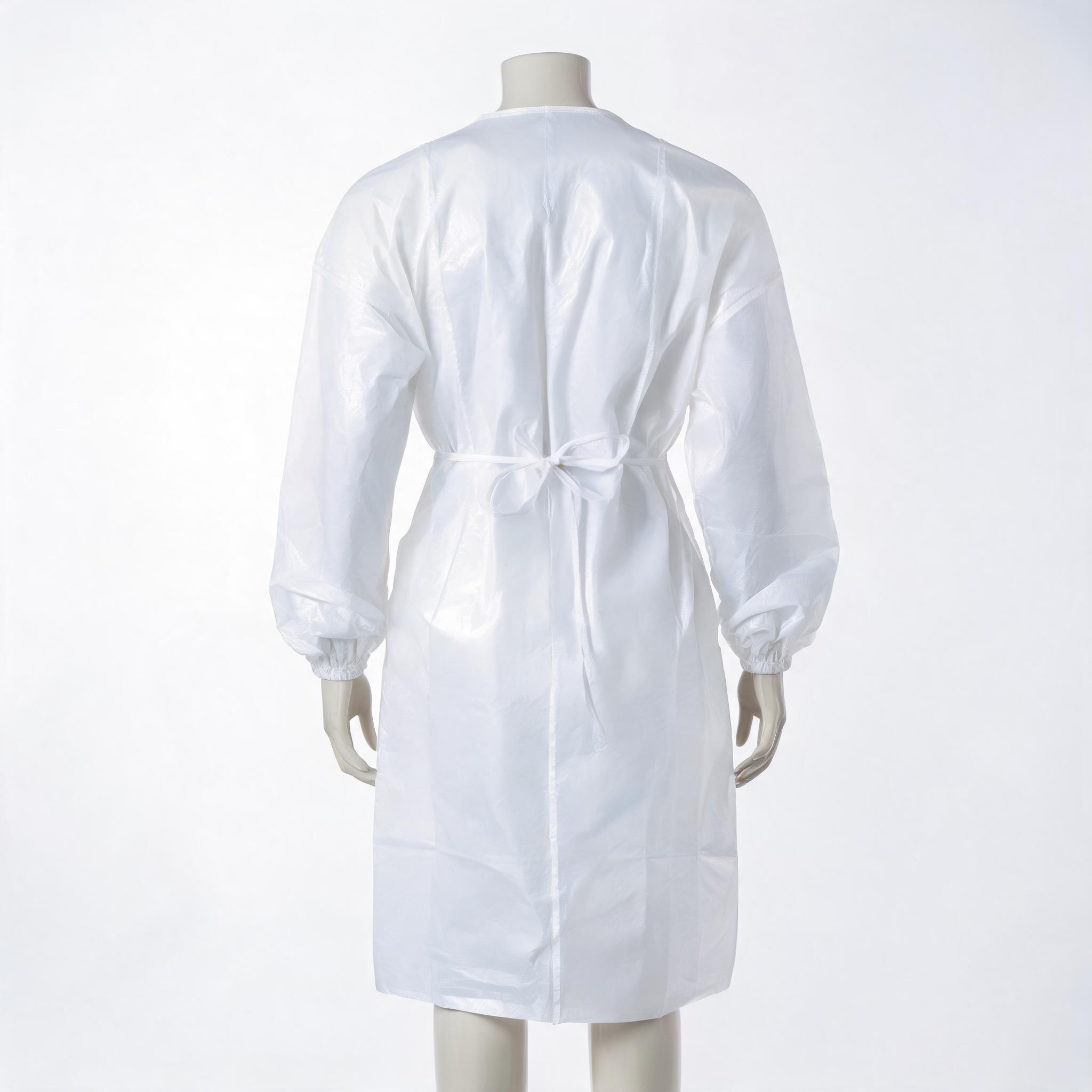
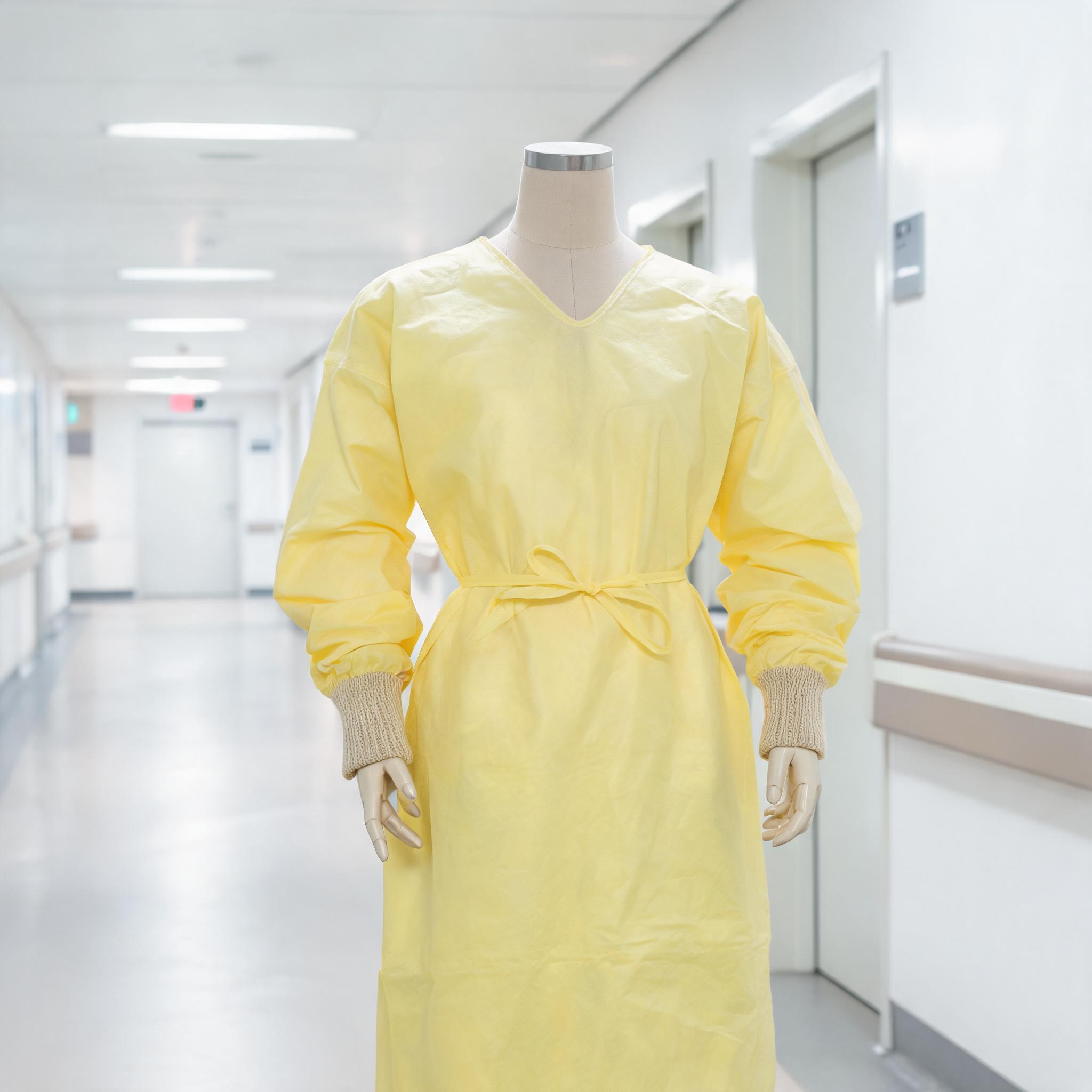
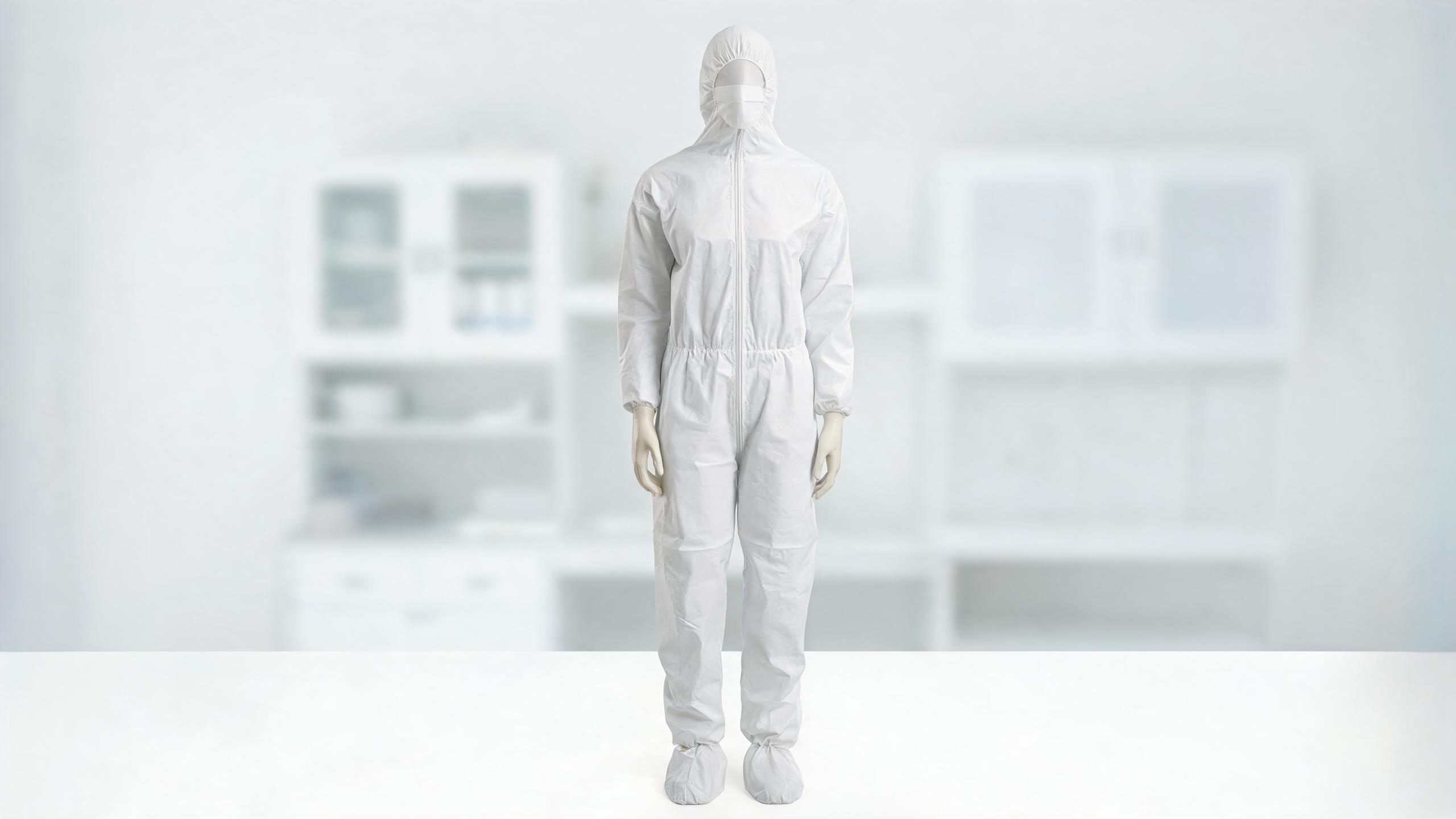
An isolation gown covers the torso and arms, while a coverall covers the whole body including the legs and often the head. The choice comes down to where the risk is. For tasks that only expose the torso and arms β€” routine patient care, low-fluid procedures β€” an isolation gown is sufficient and easier to don. Choose a coverall when the task risks splash or contamination across the full body, such as chemical handling, cleaning, or high-fluid procedures where legs and feet are exposed.

  • Coverall covers torso, legs and often head
  • Isolation gown covers torso and arms only
  • Coverall suits full-body splash and contamination risk
02

Hood, cuffs and seams create the seal

A hooded coverall with elastic cuffs and ankles creates a sealed barrier that keeps fluid and particles out. Seam sealing (taped or heat-sealed seams) prevents fluid from passing through the stitching, which is the weakest point of a standard sewn garment. For chemical and high-fluid exposure, sealed seams are not optional β€” a sewn seam will leak under pressure.

  • Hood and elastic cuffs and ankles seal the openings
  • Seam sealing closes the stitching against fluid
  • Sealed seams are essential for chemical and high-fluid tasks
03

Material and barrier level

Coveralls are made from SMS nonwoven, PP+PE laminated or film materials. SMS is breathable and economical for general protection against dust and light splash. PP+PE laminated and film coveralls offer a stronger fluid and chemical barrier, trading some breathability for protection. Match the material to the actual exposure rather than defaulting to the strongest option, which can be uncomfortable for long shifts.

04

Match the coverall to the task

For general dust and light splash, an SMS coverall is economical and breathable. For chemical or high-fluid tasks, choose a laminated or film coverall with sealed seams and a hood. Confirm the certification your market requires β€” CE for Europe and FDA registration for the US β€” and request the file for the exact model before ordering.

Buyer FAQ

Common buying questions

When should I use a coverall instead of an isolation gown?+

Use a coverall when the task risks splash or contamination across the full body β€” chemical handling, cleaning, or high-fluid procedures. An isolation gown is sufficient for torso and arm protection.

What does seam sealing do?+

Seam sealing closes the stitching so fluid cannot pass through. It is essential for chemical and high-fluid exposure where a standard sewn seam would leak.

Are coveralls breathable?+

SMS coveralls are breathable and comfortable for general protection. Laminated and film coveralls trade some breathability for a stronger fluid and chemical barrier.

Get a quote

Tell us your requirements

Share your product type, quantity and destination. Our export team will confirm certification files, MOQ and lead time for your order.

  • CE / FDA certification files
  • MOQ, packaging and confirmed lead time
  • OEM / private-label options for your brand
Product Inquiry
β—†
Product Inquiry
Disposable Coverall Application Guide (wholesale inquiry)
β—†