




buy nitrile gloves wholesale: Allergy Science and Chemical Accelerator Reduction
When healthcare facilities and industrial buyers source buy nitrile gloves wholesale, the growing prevalence of Type IV (delayed-type) contact dermatitis from chemical accelerators in nitrile gloves has made accelerator-free options a critical procurement consideration. While standard nitrile gloves eliminate Type I (immediate) latex allergy risk, the chemical accelerators used in vulcanization - thiurams, carbamates, and thiazoles - can cause Type IV allergic reactions in sensitized individuals. Justsun manufactures EN 455 certified nitrile examination gloves at our 26,100m² facility in Xiamen, China.
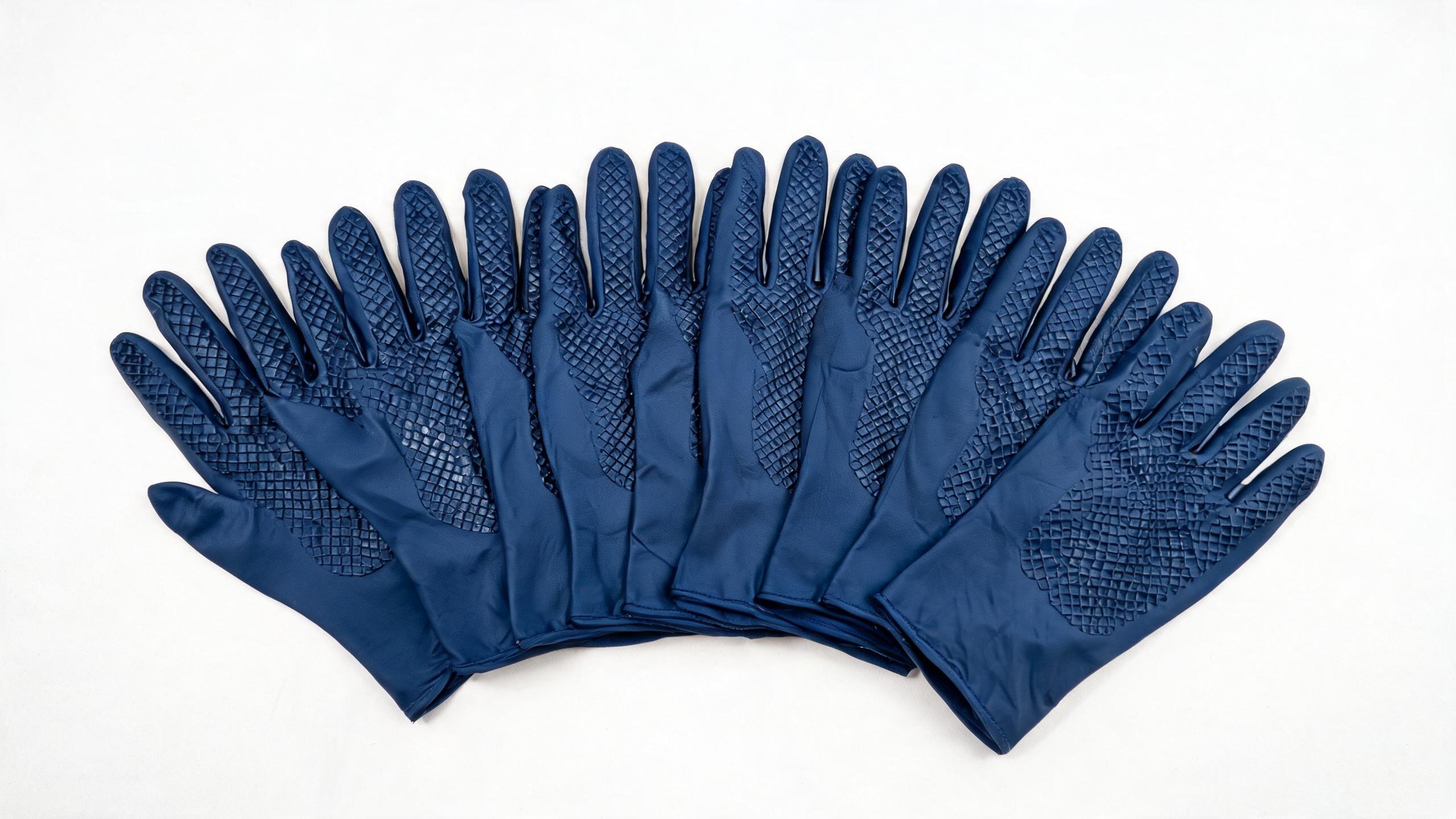
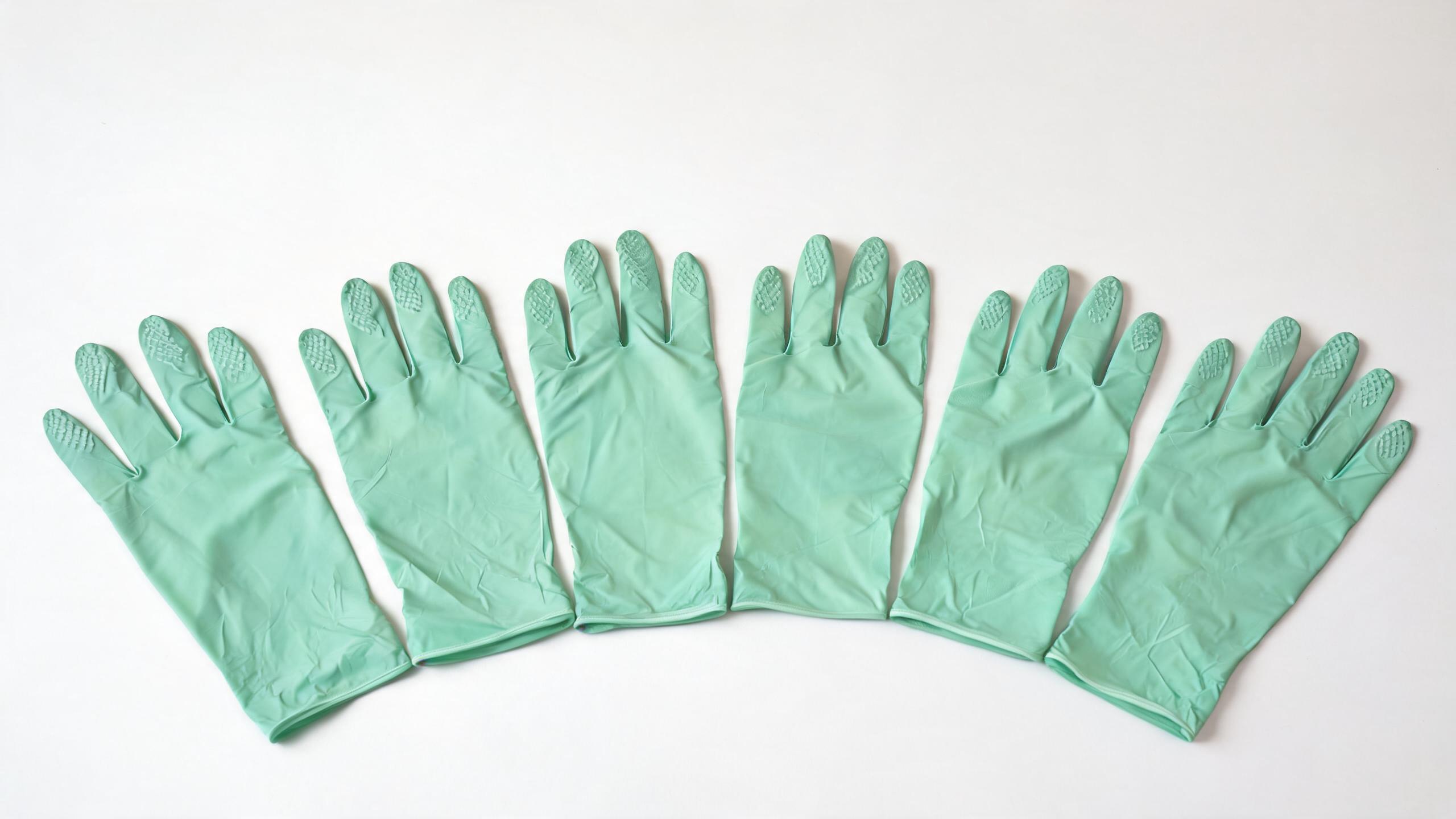
Our Nitrile Gloves Powder-Free Blue are 100% latex-free, eliminating Type I latex protein allergy risk. For facilities transitioning to fully accelerator-free procurement, we can discuss formulation options for qualifying orders. The Sterile Nitrile Disposable Medical Exam Gloves provide the same latex-free foundation with sterile packaging for surgical applications.
Understanding the two distinct glove allergy types is essential for procurement decisions:
| Characteristic | Type I (Immediate) | Type IV (Delayed) |
|---|---|---|
| Allergen | Natural rubber latex proteins | Chemical accelerators (thiurams, carbamates, thiazoles) |
| Onset | Minutes to 1 hour | 6-48 hours after exposure |
| Symptoms | Urticaria, rhinitis, conjunctivitis, anaphylaxis | Eczema, itching, redness, blistering, cracking skin |
| Prevalence in HCWs | 1-6% (declining with latex-free transition) | 5-15% (increasing with nitrile use) |
| Diagnosis | Specific IgE blood test, skin prick test | Patch test with rubber chemical series |
| Prevention | Use latex-free gloves (nitrile, vinyl) | Use accelerator-free or low-chemical gloves |
Type IV allergy to nitrile glove accelerators is the fastest-growing glove-related occupational health issue in healthcare. Facilities with staff reporting persistent hand dermatitis should evaluate their glove chemical profile.
Chemical Accelerators in Standard Nitrile buy nitrile gloves wholesale
Standard nitrile glove manufacturing uses sulfur-based vulcanization systems that require accelerator chemicals to achieve adequate cross-linking within practical curing times:
- Thiurams (TMTD, TETD): Fast-acting accelerators providing efficient cross-linking. Most common cause of Type IV glove allergy. Found in 60-70% of standard nitrile gloves.
- Dithiocarbamates (ZDEC, ZDBC): Secondary accelerators used with thiurams. Moderate sensitization potential. Often used in combination for synergistic curing.
- Thiazoles (MBT, MBTS): Slower accelerators with lower sensitization rates. Sometimes used as partial replacements for thiurams in low-chemical formulations.
- Guanidines (DPG): Secondary accelerators with low sensitization potential. Used in some reduced-chemical formulations.
The total accelerator content in standard nitrile gloves typically ranges from 0.5-2.0% by weight. Accelerator-free formulations replace sulfur vulcanization with alternative cross-linking systems, such as peroxide curing or radiation cross-linking, eliminating these allergens entirely.
How to Evaluate buy nitrile gloves wholesale for Accelerator Content
Procurement teams evaluating buy nitrile gloves wholesale for allergy-sensitive environments should request the following:
- Chemical composition disclosure: Request the manufacturer's statement of accelerators used in the formulation. Look for specific chemical names (TMTD, ZDEC, MBT) rather than generic statements like "chemical-free" or "hypoallergenic."
- Patch test allergen panel: Request results from testing against the rubber chemical series (TROLAB or Chemotechnique standard series). Gloves should be tested for leachable accelerators using extraction methods per EN 455-3.
- EN 455-3 biological evaluation: This standard requires testing for cytotoxicity, sensitization, and irritation. Verify that the biological evaluation report includes specific testing for chemical sensitizers.
- Extractable chemical analysis: Request chromatographic analysis (HPLC or GC-MS) of extractable chemicals from glove material. This provides quantitative data on leachable accelerator residues.
- Dermatologist endorsement: Some accelerator-free gloves carry endorsements from dermatological societies. While not a substitute for chemical testing, these endorsements indicate formulation review by medical professionals.
Low-Chemical vs. Accelerator-Free: Understanding the Difference
Buyers should distinguish between three formulation tiers:
| Category | Accelerator Content | Allergy Risk Reduction | Typical Cost Premium |
|---|---|---|---|
| Standard nitrile | 0.5-2.0% accelerators | Eliminates Type I only | Baseline cost |
| Low-chemical nitrile | Reduced accelerator content (<0.5%) | Reduces Type IV risk for most users | +10-20% |
| Accelerator-free nitrile | No sulfur accelerators | Eliminates Type IV accelerator allergy | +25-40% |
For most healthcare facilities, standard latex-free nitrile gloves adequately address Type I latex allergy risk. Low-chemical or accelerator-free formulations are recommended for: facilities with documented Type IV allergy cases, dermatology departments, and staff with known chemical sensitivities.
Implementing an Allergy-Safe buy nitrile gloves wholesale Procurement Strategy
Healthcare facilities can reduce glove-related allergic reactions through a structured procurement approach:
Step 1 - Assess current allergy incidence: Review occupational health records for hand dermatitis cases. Conduct staff surveys about glove-related skin reactions. Identify whether reactions are Type I (immediate, latex-related) or Type IV (delayed, accelerator-related).
Step 2 - Select appropriate formulation: If Type I latex allergy is the primary concern, standard nitrile gloves (like our powder-free blue nitrile) are sufficient. If Type IV accelerator allergy is documented, transition to low-chemical or accelerator-free formulations for affected staff or facility-wide.
Step 3 - Pilot test with affected staff: Before facility-wide rollout, provide 2-4 week supply of the selected formulation to staff with documented allergies. Monitor reaction improvement. A successful pilot confirms formulation suitability.
Step 4 - Implement gradually: Phase in new gloves department by department to manage inventory transitions and address comfort or fit feedback. Avoid sudden changes that may disrupt clinical workflows.
Step 5 - Document and monitor: Track allergy incidence before and after formulation change. Report results to occupational health. Maintain records of glove chemical composition for future reference and staff education.
Cost-Benefit Analysis for buy nitrile gloves wholesale Allergy-Safe Options
While accelerator-free gloves cost 25-40% more per unit, the total cost of allergy management often justifies the investment:
- Direct medical costs: Treatment of contact dermatitis includes corticosteroid creams, antihistamines, and dermatologist consultations. Average cost per affected worker: $500-2,000 annually.
- Lost productivity: Staff with active dermatitis may require modified duties or sick leave. Average lost work days per episode: 3-7 days. For a facility with 20 affected staff, annual productivity loss can exceed $50,000.
- Staff turnover: Severe unresolved hand dermatitis is a documented cause of healthcare worker departure. Replacement and training costs per nurse: $30,000-60,000.
- Workers' compensation: Occupational contact dermatitis claims may be filed. Average settlement per claim: $3,000-15,000 depending on severity and jurisdiction.
- Premium calculation: For a facility using 50,000 gloves/month, the additional cost of accelerator-free gloves (at +$0.02/pair) is approximately $12,000/year. This is often less than the cost of a single severe allergy case.
Regulatory and Certification Considerations for buy nitrile gloves wholesale
Accelerator-free and low-chemical glove claims must be supported by appropriate documentation:
EN 455 Part 3: Requires biological evaluation including sensitization testing. Gloves claiming reduced allergenicity should have EN 455-3 compliance documentation that specifically addresses chemical sensitizers.
REACH compliance (EU): Certain rubber accelerators are on the REACH SVHC (Substances of Very High Concern) candidate list or restricted under Annex XVII. Verify that your glove formulation complies with current REACH requirements.
FDA biocompatibility (US): ISO 10993-10 (sensitization testing) must be performed. Accelerator-free claims should be supported by extractable chemical analysis showing absence of target accelerators.
Labeling requirements: Claims such as "accelerator-free," "chemical-free," or "hypoallergenic" must be substantiated. The FDA restricts "hypoallergenic" claims for gloves that still contain sensitizing chemicals. Verify that labeling matches formulation documentation.
Justsun provides EN 455 certification including Part 3 biological evaluation. For accelerator-free formulation inquiries, contact us to discuss minimum order quantities and formulation development timelines for qualifying orders.
Frequently Asked Questions About buy nitrile gloves wholesale
Are your standard nitrile gloves accelerator-free?
Our standard nitrile gloves use conventional sulfur-based vulcanization with accelerators. They are 100% latex-free, eliminating Type I latex allergy risk. For accelerator-free formulations, contact us to discuss qualifying orders and formulation development options.
What is the difference between Type I and Type IV glove allergy?
Type I is an immediate allergic reaction to natural rubber latex proteins (onset: minutes). Type IV is a delayed reaction to chemical accelerators in nitrile gloves (onset: 6-48 hours). Standard nitrile gloves prevent Type I but may contain accelerators that trigger Type IV.
How can I tell if staff have Type IV glove allergy?
Symptoms include eczema, itching, redness, and cracking skin on hands appearing 6-48 hours after glove use. Confirm with a dermatologist using patch testing with the rubber chemical series. Differentiate from irritant contact dermatitis (non-allergic) which presents similarly.
What does "low-chemical" nitrile mean?
Low-chemical nitrile gloves use reduced accelerator content (typically <0.5% vs. 0.5-2.0% in standard gloves). They reduce Type IV allergy risk for most sensitized users but do not eliminate it entirely. Accelerator-free gloves use alternative cross-linking to remove all sulfur accelerators.
Do accelerator-free gloves meet the same performance standards?
Yes. Accelerator-free nitrile gloves must still meet EN 455 and ASTM D6319 requirements for tensile strength, elongation, and barrier integrity. Alternative cross-linking systems (peroxide or radiation) can achieve comparable physical properties.
How much more do accelerator-free gloves cost?
Accelerator-free nitrile gloves typically cost 25-40% more than standard nitrile. Low-chemical formulations cost 10-20% more. The premium is often offset by reduced allergy management costs. Contact us for specific pricing on qualifying orders.
Can you provide chemical composition documentation?
We provide EN 455 Part 3 biological evaluation documentation including sensitization testing. For specific accelerator content disclosure and extractable chemical analysis, contact us with your requirements. We can coordinate third-party chromatographic analysis for qualifying orders.
Should our entire facility switch to accelerator-free gloves?
Not necessarily. If only a few staff members have documented Type IV allergy, provide accelerator-free gloves to those individuals while maintaining standard nitrile for others. If multiple cases are documented, consider facility-wide transition for consistency and procurement efficiency.