


Cleanroom-Grade disposable medical gloves supplier: Material and Performance Requirements
When sourcing disposable medical gloves supplier, pharmaceutical and electronics manufacturers must evaluate gloves against contamination control standards far stricter than general medical examination gloves. Cleanroom gloves differ from standard nitrile exam gloves in three critical ways: particle release levels, ionic extractables, and static dissipation properties. Justsun's nitrile gloves are manufactured at our 26,100m² facility in Xiamen, China, with production lines that can be configured for low-particulate cleanroom requirements.
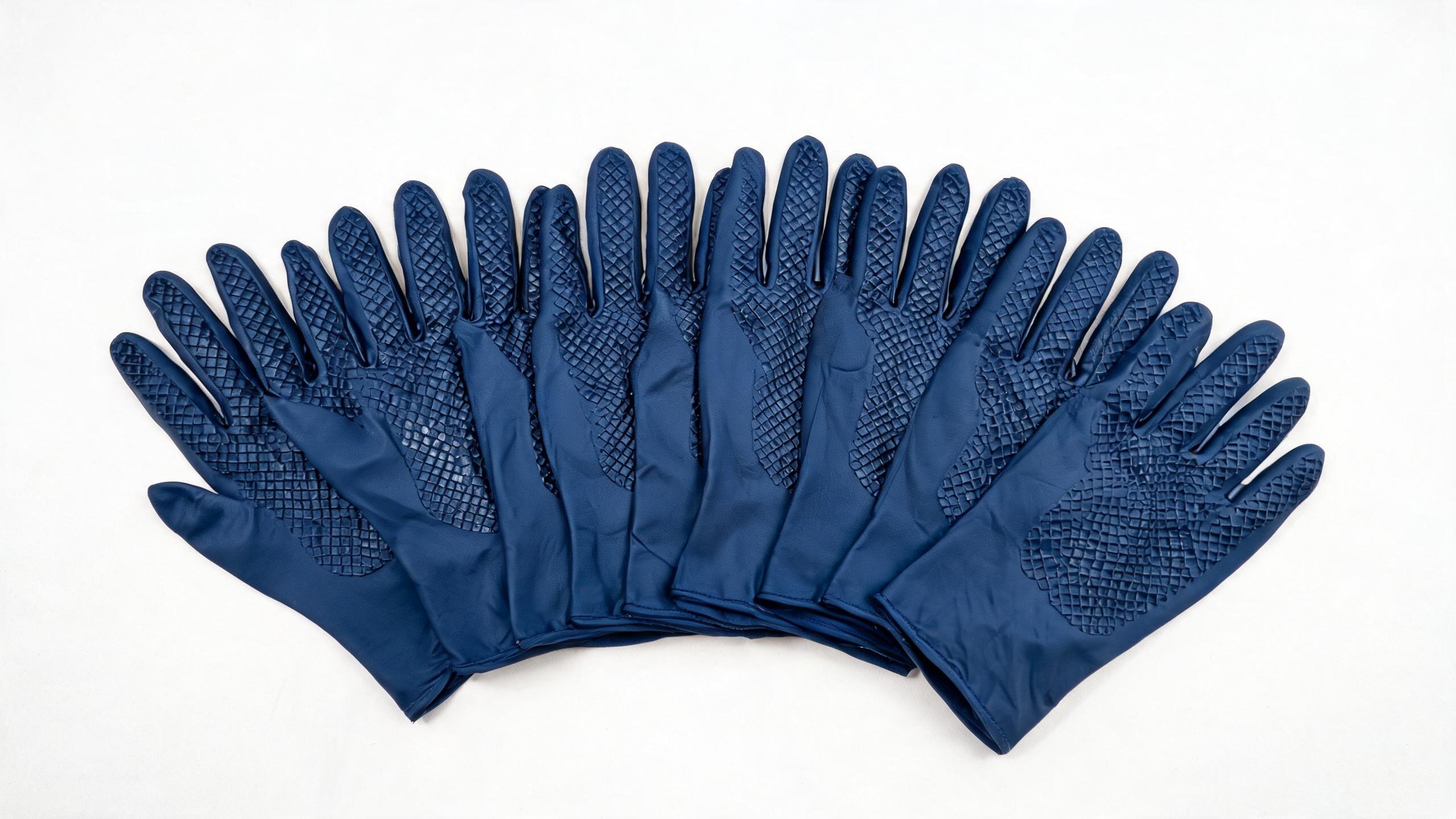
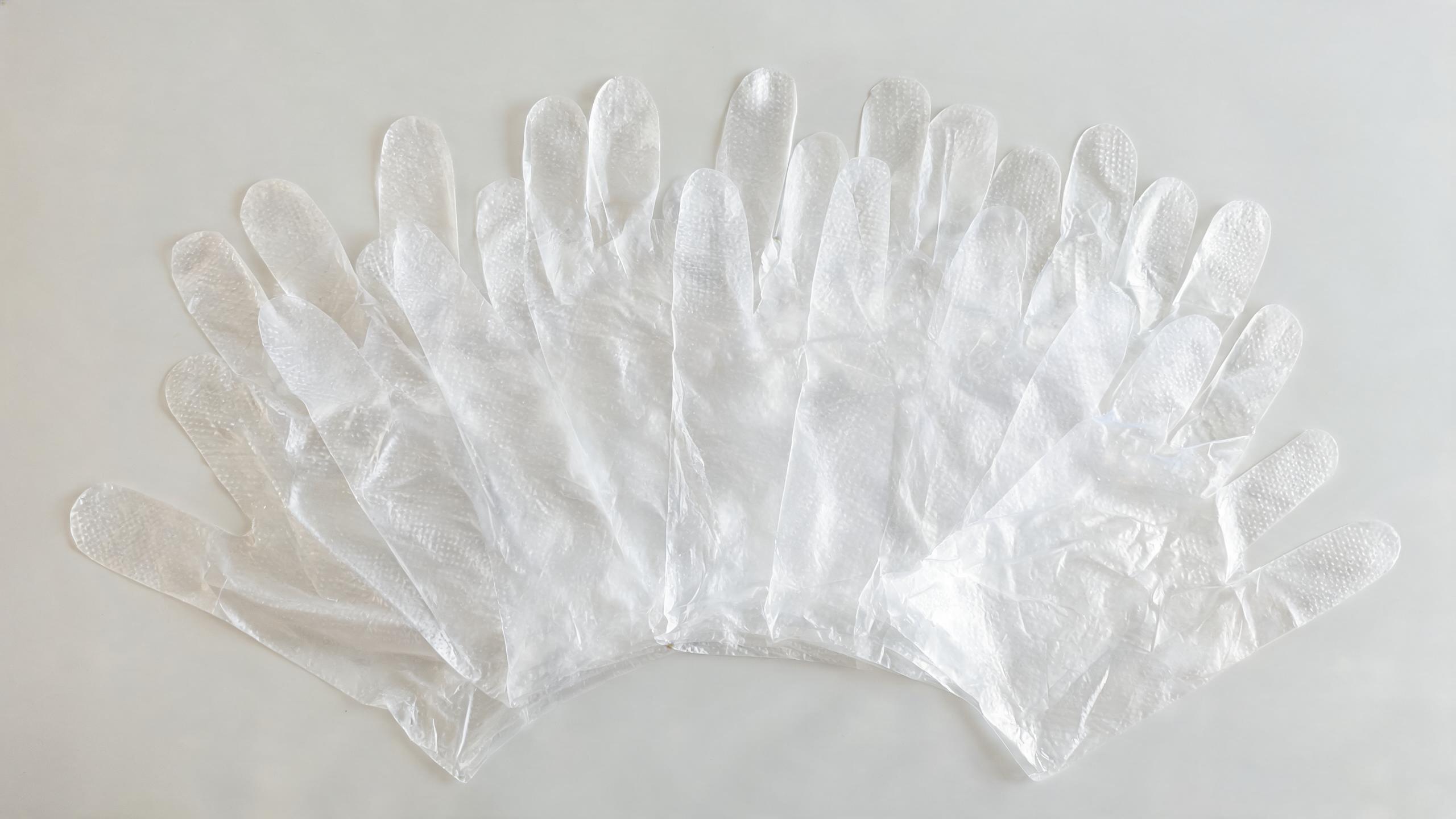
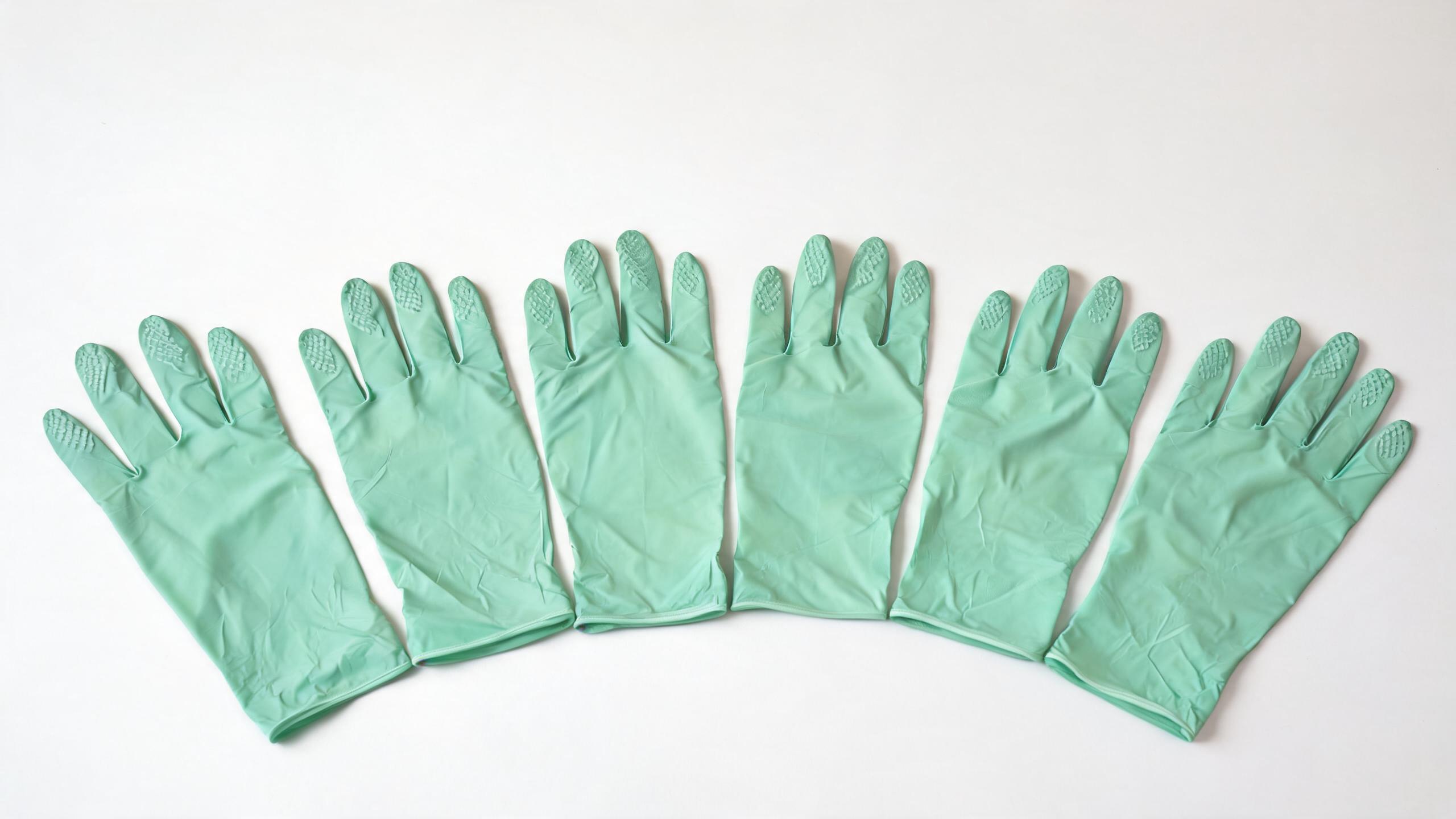
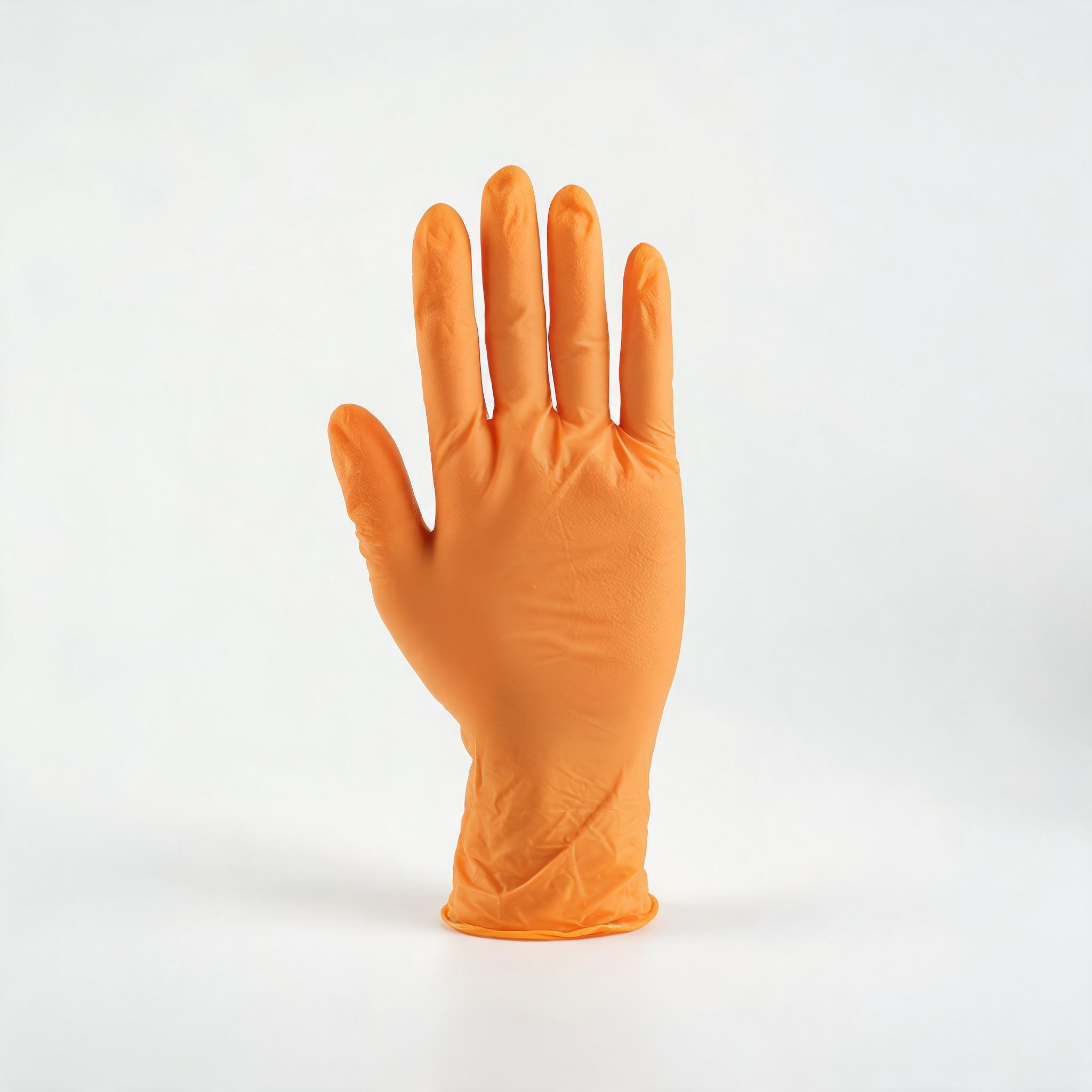
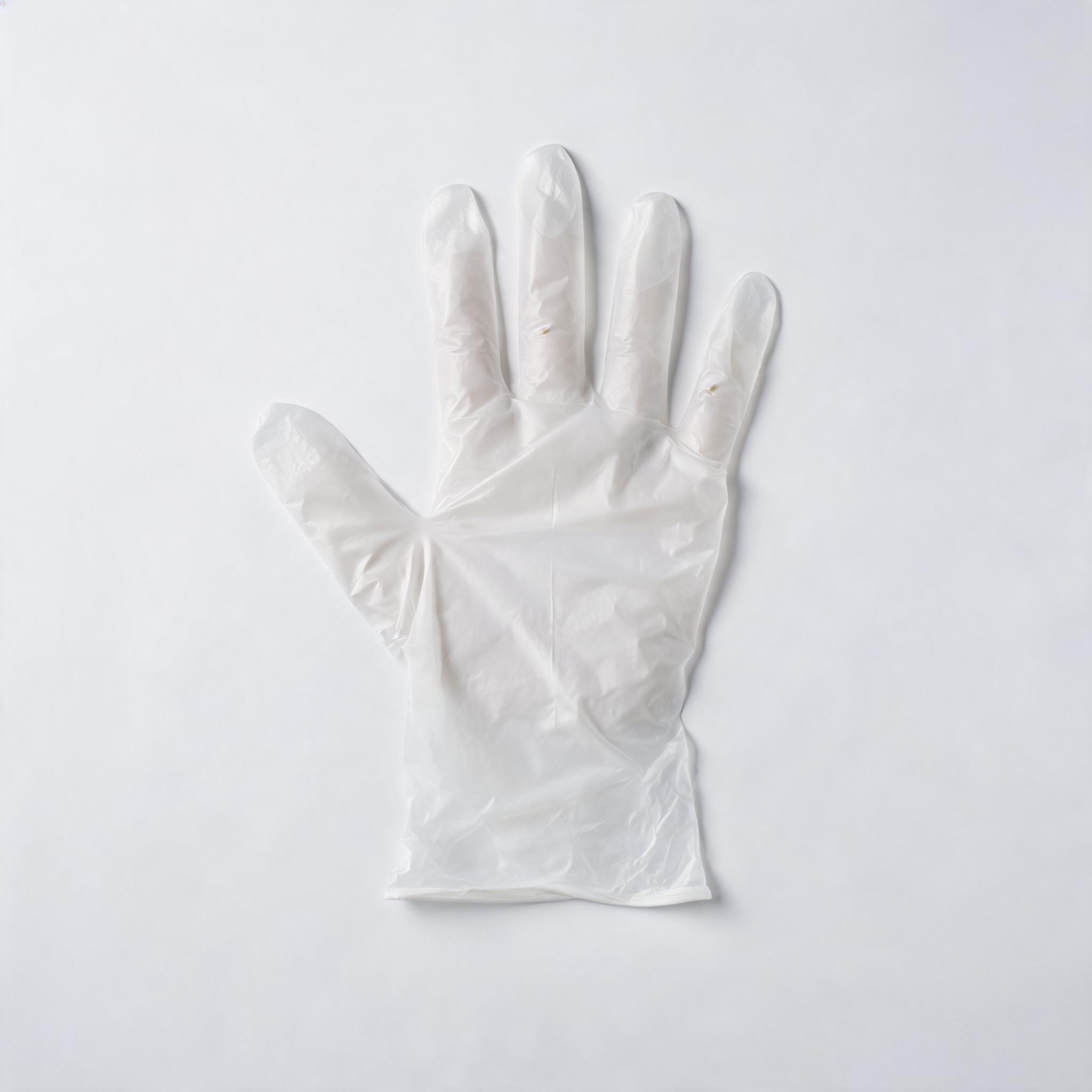
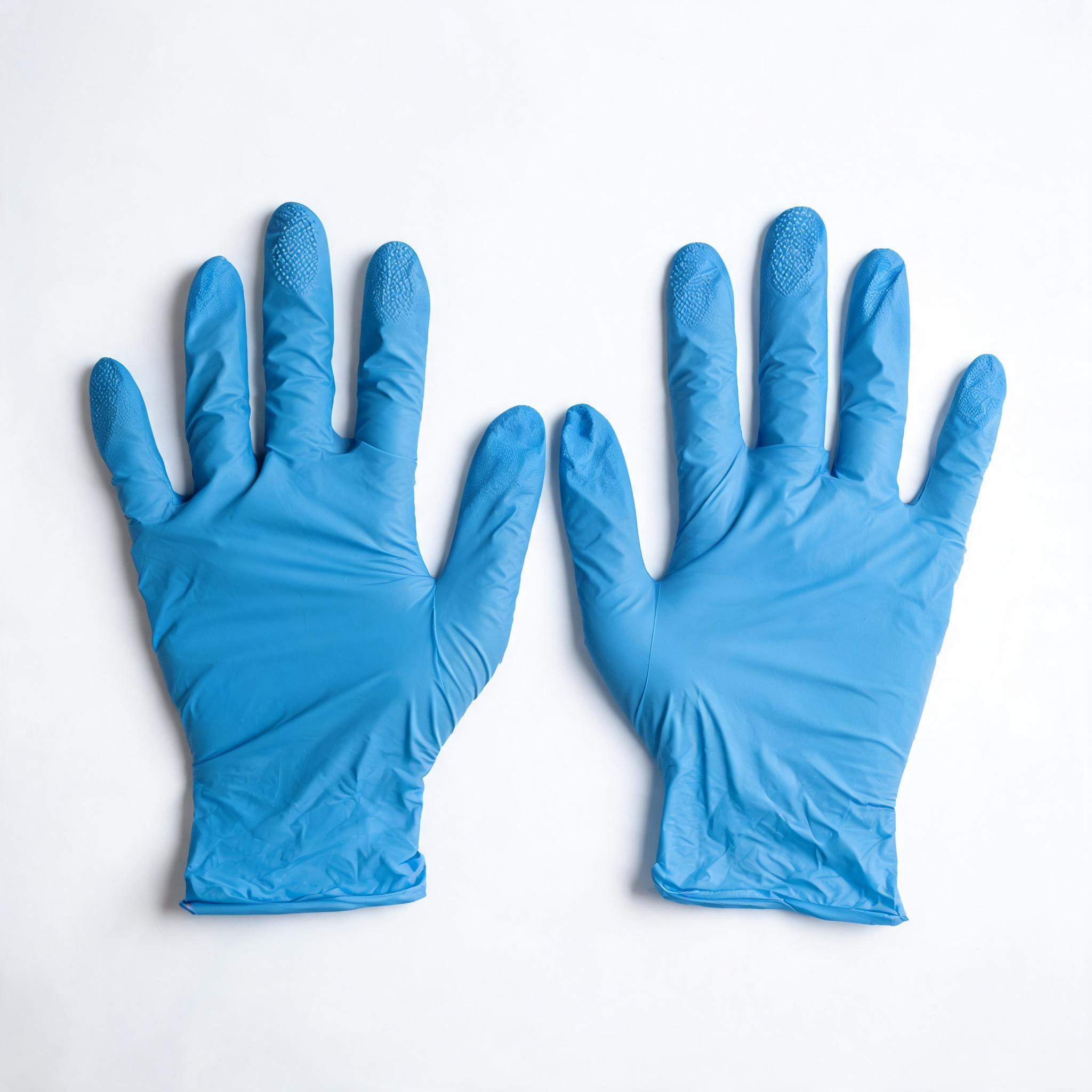
Our Nitrile Gloves Powder-Free Blue provide the material foundation for cleanroom applications: 100% latex-free nitrile construction, powder-free surface treated by chlorination to minimize particle shedding, 0.11mm thickness for tactile sensitivity during precision tasks, and AQL 1.5 quality standard verified by water leak testing on every batch. For sterile cleanroom applications, the Sterile Nitrile Disposable Medical Exam Gloves offer individually paired sterile packaging with 0.15mm thickness and EN 455 certification.
Cleanroom-grade nitrile gloves must meet specific benchmarks depending on the ISO class of the controlled environment:
| ISO Class | Max Particles (≥0.5µm/m³) | Glove Particle Limit | Typical Application |
|---|---|---|---|
| ISO 1-4 | ≤10 | Ultra-low particle, washed & double-bagged | Semiconductor fabrication |
| ISO 5-6 | ≤100-1,000 | Low particle, chlorinated surface | Pharmaceutical sterile filling |
| ISO 7-8 | ≤10,000-100,000 | Standard powder-free nitrile acceptable | Medical device assembly, compounding |
Buyers should specify their target ISO class when requesting quotations so we can match the appropriate surface treatment and packaging protocol.
How Cleanroom Buyers Verify disposable medical gloves supplier Quality
Procurement teams sourcing disposable medical gloves supplier for cleanroom use should request and verify the following documentation before qualifying a supplier:
- Particle count test report – Measured per IEST-RP-CC005.4, reporting particles per gram of glove material at 0.5µm and 5.0µm thresholds. Compare against your facility's acceptable limits.
- Extractable ions analysis – Sodium, potassium, calcium, and chloride ion levels measured by ion chromatography. Critical for semiconductor applications where ionic contamination can cause device failure.
- Non-volatile residue (NVR) – Total extractable residue measured per ASTM D5336. Cleanroom gloves should have NVR below 5mg per glove for ISO 5-6 environments.
- ESD properties – Surface resistance measured per IEC 61340-5-1. Nitrile naturally provides static dissipative properties (10⁸-10¹⁰ ohms), but verify if your application requires a specific range.
- AQL water leak test records – Even in cleanroom contexts, pinhole integrity matters. AQL 1.5 means no more than 1.5% defective gloves per batch. Request statistical sampling records.
Glove Change Frequency in Cleanroom Environments
Cleanroom protocols typically require glove changes every 30-90 minutes depending on task intensity and ISO class. In ISO 5 environments, operators may change gloves every 15-20 minutes. Factor this consumption rate into your order quantity calculations - a 50-operator ISO 7 cleanroom running two shifts may consume 8,000-12,000 gloves per day.
disposable medical gloves supplier Packaging for Contamination Control
Cleanroom-compatible packaging is essential for maintaining glove cleanliness from factory to point of use:
- Double-bagged packaging – Each inner bag is sealed in an outer bag with an interleaf for cleanroom transfer through airlocks. Both bags must be low-particulate polyethylene.
- Vacuum-sealed option – Removes trapped air and particles during transit. Recommended for ISO 5 and stricter environments.
- Case-level cleanliness – Outer cartons should not shed fibers. Some facilities require the carton to remain outside the cleanroom, with only inner bags passing through.
- Lot traceability – Each case must display manufacturing lot number, production date, and expiry for full traceability in GMP environments.
Standard Justsun packaging is 100 gloves per dispenser box, 10 boxes per carton. For cleanroom orders, we can configure double-bagged inner packaging with lot labeling. Contact us with your packaging specification for a customized quotation.
Comparing disposable medical gloves supplier Across Cleanroom Glove Materials
While nitrile is the most common cleanroom glove material, understanding alternatives helps buyers make informed decisions:
| Property | Nitrile | Latex | Neoprene |
|---|---|---|---|
| Particle shedding | Low (chlorinated) | Low | Very low |
| Chemical resistance | Excellent | Good | Excellent |
| ESD (surface resistance) | 10⁸-10¹⁰ Ω | 10⁹-10¹¹ Ω | 10⁸-10¹⁰ Ω |
| Allergy risk | None (Type I) | High (Type I) | None (Type I) |
| Cost index | 1.0 (baseline) | 0.9 | 1.4 |
Justsun's primary production focus is nitrile examination gloves, which offer the best balance of cleanliness, chemical resistance, and cost for most cleanroom applications from ISO 5 through ISO 8.
Regulatory Compliance for disposable medical gloves supplier in Controlled Environments
Cleanroom glove procurement must align with both facility standards and regional regulations:
GMP environments (pharmaceutical): Gloves used in sterile manufacturing must comply with EU GMP Annex 1 requirements for cleanroom consumables. EN 455 certification provides the medical device baseline, but GMP auditors may request additional particle and extractable data.
Electronics manufacturing: ANSI/ESD S20.20 specifies ESD control program requirements. Gloves must be tested for surface resistance and charge decay. Nitrile's inherent static dissipative properties generally meet these requirements without carbon loading.
Medical device assembly: ISO 13485 quality management systems require supplier qualification with documented risk assessment. Your supplier should provide material safety data, biocompatibility testing (ISO 10993), and change notification agreements.
Justsun provides EN 455 certification, CE marking documentation, and test reports covering water leak, tensile strength, and powder residue. For cleanroom-specific testing (particle count, extractable ions), we can arrange third-party testing through accredited laboratories with advance notice.
Order Planning and Lead Times for disposable medical gloves supplier
When planning cleanroom glove orders, consider these factors unique to controlled environment procurement:
- Custom packaging lead time – Double-bagged or vacuum-sealed packaging adds 5-10 days to standard production time. Plan orders 4-6 weeks in advance.
- Lot testing for qualification – First-time orders should include sample lots for your facility's incoming inspection. Budget 2-3 weeks for third-party testing if required.
- Volume breakpoints – Standard MOQ is 1 carton (1,000 pieces). Cleanroom packaging configurations may require 100+ carton orders for cost efficiency. Bulk pricing applies at 500+ cartons.
- Size distribution – Typical cleanroom size mix: S(10%), M(40%), L(35%), XL(15%). Operators in cleanroom suits may size up for comfort over double-gloving.
- Buffer stock – Maintain 4-6 weeks buffer stock due to longer lead times for cleanroom-configured production runs.
Risk Mitigation When Sourcing disposable medical gloves supplier
Protect your cleanroom operations from these procurement risks:
Inconsistent particle levels: Some suppliers use chlorination inconsistently, leading to batch-to-batch particle variation. Request particle count data from multiple production lots and establish incoming inspection criteria.
Packaging contamination: Cardboard cartons shed fibers that can compromise cleanroom integrity. Specify that inner bags must be sealed before carton packing, and consider transferring only inner bags through airlocks.
Certificate expiry: EN 455 certificates are valid for 5 years but may not reflect current production conditions. Request recent test reports (within 12 months) rather than relying solely on certificate dates.
Substitution during shortages: Suppliers may substitute standard nitrile for cleanroom-grade without notification. Establish lot-level specifications in your purchase order and inspect incoming material against agreed parameters.
Why Justsun Supplies disposable medical gloves supplier for Cleanroom Buyers
Founded in 1997 in Xiamen, China, Justsun operates a 26,100m² manufacturing facility with 400+ employees. Our nitrile glove production lines produce EN 455 certified, AQL 1.5 medical-grade gloves with powder-free chlorination treatment. While our standard production targets medical examination markets, our quality control infrastructure - including water leak testing, tensile strength testing, and powder residue testing on every batch - provides the consistency foundation that cleanroom buyers require.
For cleanroom-specific requirements, we offer configurable packaging (double-bagged, lot-labeled), third-party particle and extractable testing coordination, and documented lot traceability. Our export experience to Europe, Americas, Middle East, and Asia since 1997 means we understand the documentation demands of GMP and ISO regulated environments.
Our product range includes nitrile powder-free examination gloves (0.11mm, blue, XS-XL) and sterile latex surgical gloves (0.15mm, individually paired, EN 455 certified). Contact us with your cleanroom ISO class, size requirements, and packaging specifications for a detailed quotation.
Frequently Asked Questions About disposable medical gloves supplier
Are Justsun's nitrile gloves suitable for ISO 5 cleanrooms?
Our standard nitrile gloves are chlorinated powder-free with low particle shedding suitable for ISO 7-8 environments. For ISO 5-6, we recommend additional third-party particle count testing and double-bagged packaging. Contact us to discuss your specific ISO class requirements.
What particle count data can you provide for cleanroom gloves?
We can coordinate third-party particle count testing per IEST-RP-CC005.4 through accredited laboratories. Testing takes 2-3 weeks and requires a minimum sample quantity. Standard production test reports cover AQL water leak, tensile strength, and powder residue.
Do you offer double-bagged cleanroom packaging?
Yes, we can configure double-bagged inner packaging with low-particulate polyethylene bags and lot labeling. This adds 5-10 days to production time. Minimum order quantity for custom cleanroom packaging is typically 100 cartons.
What is the ESD performance of your nitrile gloves?
Nitrile naturally exhibits static dissipative properties with surface resistance in the 10⁸-10¹⁰ ohm range, measured per IEC 61340-5-1. This meets most ESD-sensitive electronics manufacturing requirements without additional carbon loading.
Can you provide extractable ions test reports?
Yes, we can arrange extractable ions analysis (sodium, potassium, calcium, chloride) through third-party laboratories. This is recommended for semiconductor applications. Advance notice of 3-4 weeks is required for testing coordination.
How are cleanroom gloves lot-traced?
Each carton displays manufacturing lot number, production date, and expiry date. We maintain production records linking each lot to raw material batches, processing parameters, and QC test results for full traceability.
What sizes are available for cleanroom orders?
XS, S, M, L, XL. Standard cleanroom size distribution: S(10%), M(40%), L(35%), XL(15%). Custom size ratios are available for OEM orders of 500+ cartons. Each dispenser box contains a single size.
What is the shelf life of your nitrile cleanroom gloves?
Nitrile gloves have a shelf life of 3-5 years when stored at 10-35°C with relative humidity below 65%. For cleanroom applications, we recommend using gloves within 3 years of manufacture date to minimize particle degradation.