

kn95 mask export: Why Headband Design Matters for Extended Wear
Buyers searching for kn95 mask export are specifically looking for respirators that use headband straps rather than ear loops. This distinction is critical for applications requiring extended wear times of 4 hours or more, where ear loop designs cause ear chafing, pressure pain, and premature respirator removal. Headband straps distribute tension across the back of the head and upper neck, eliminating direct pressure on the ears and providing a more secure facial seal that maintains filtration integrity throughout the wearing period.
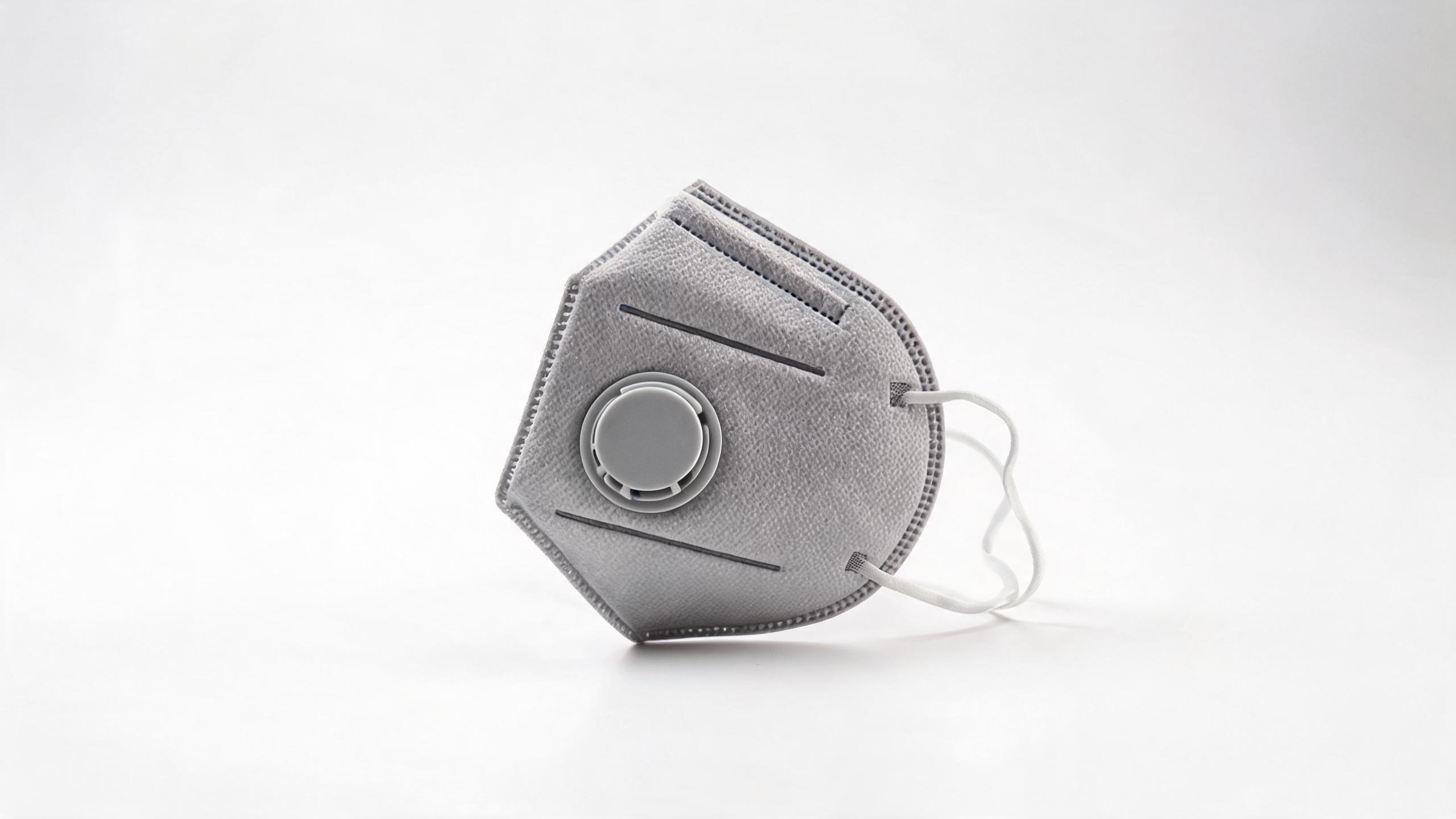
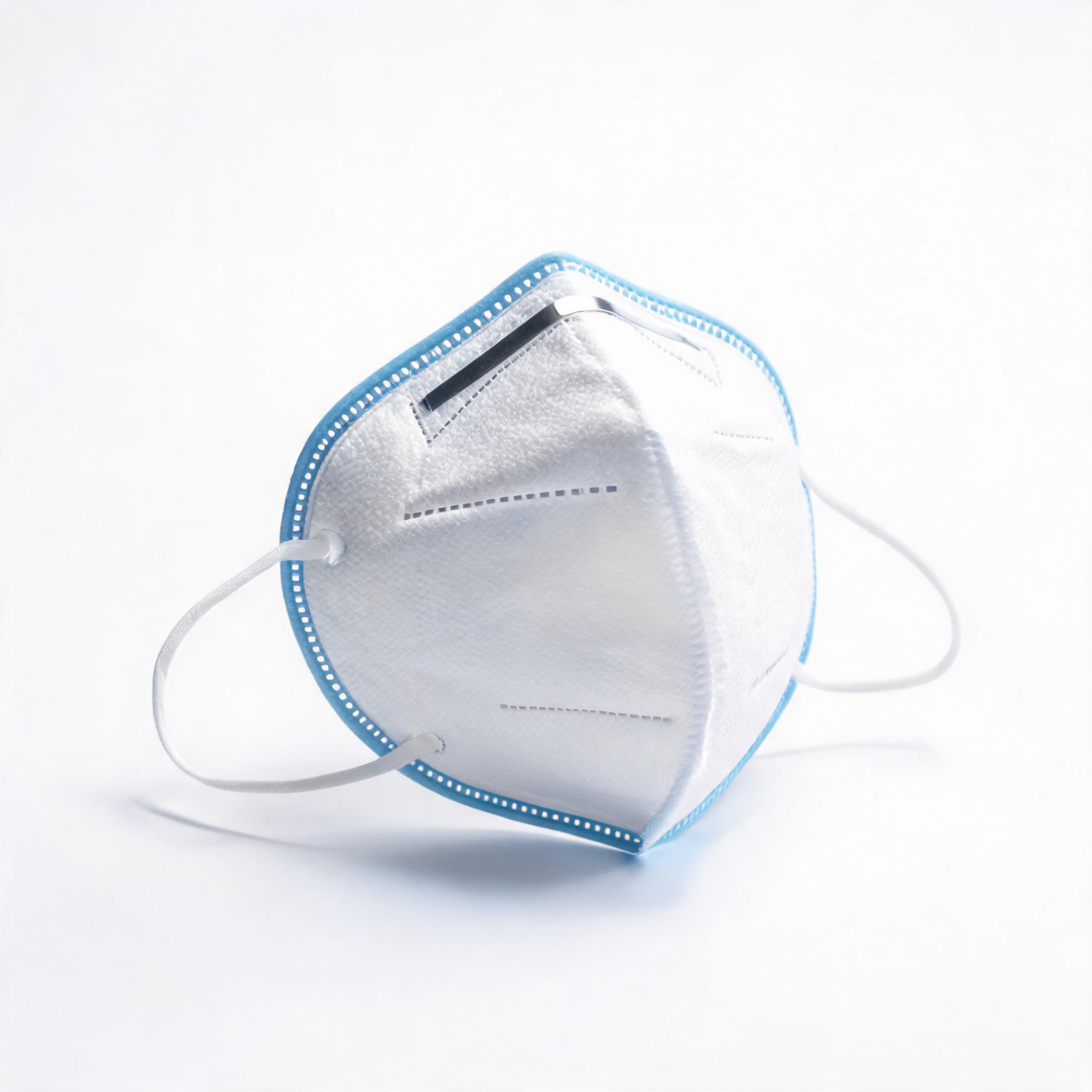
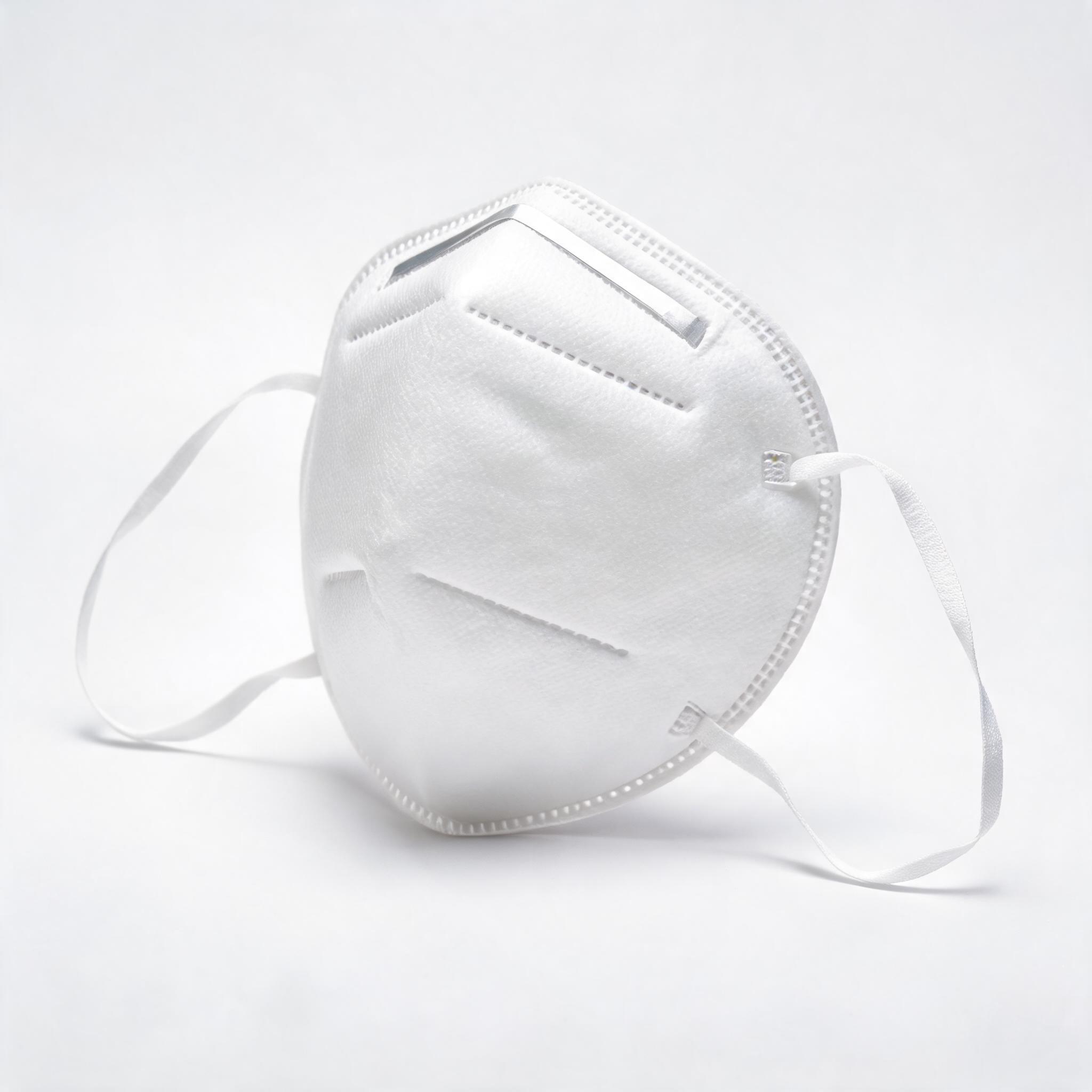
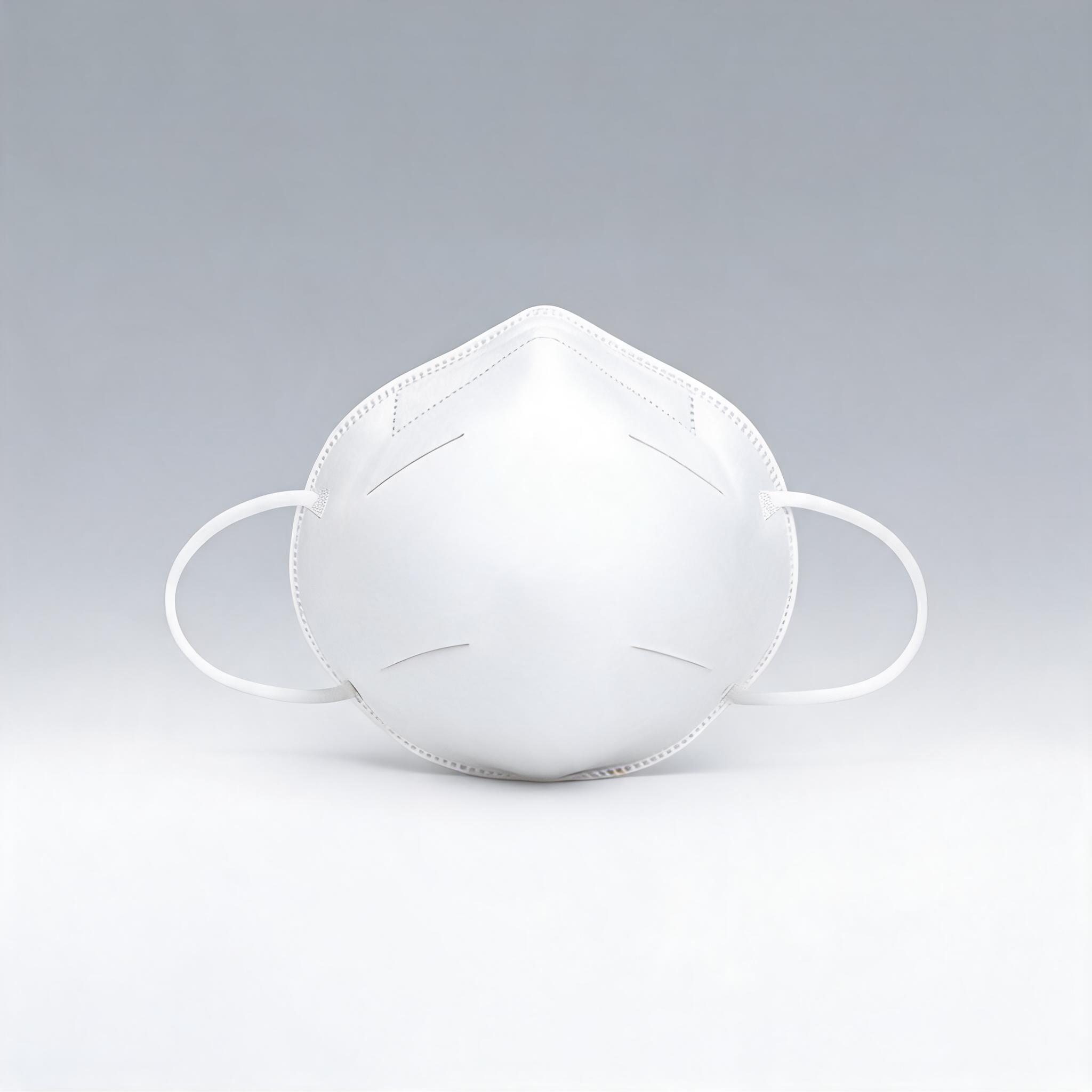
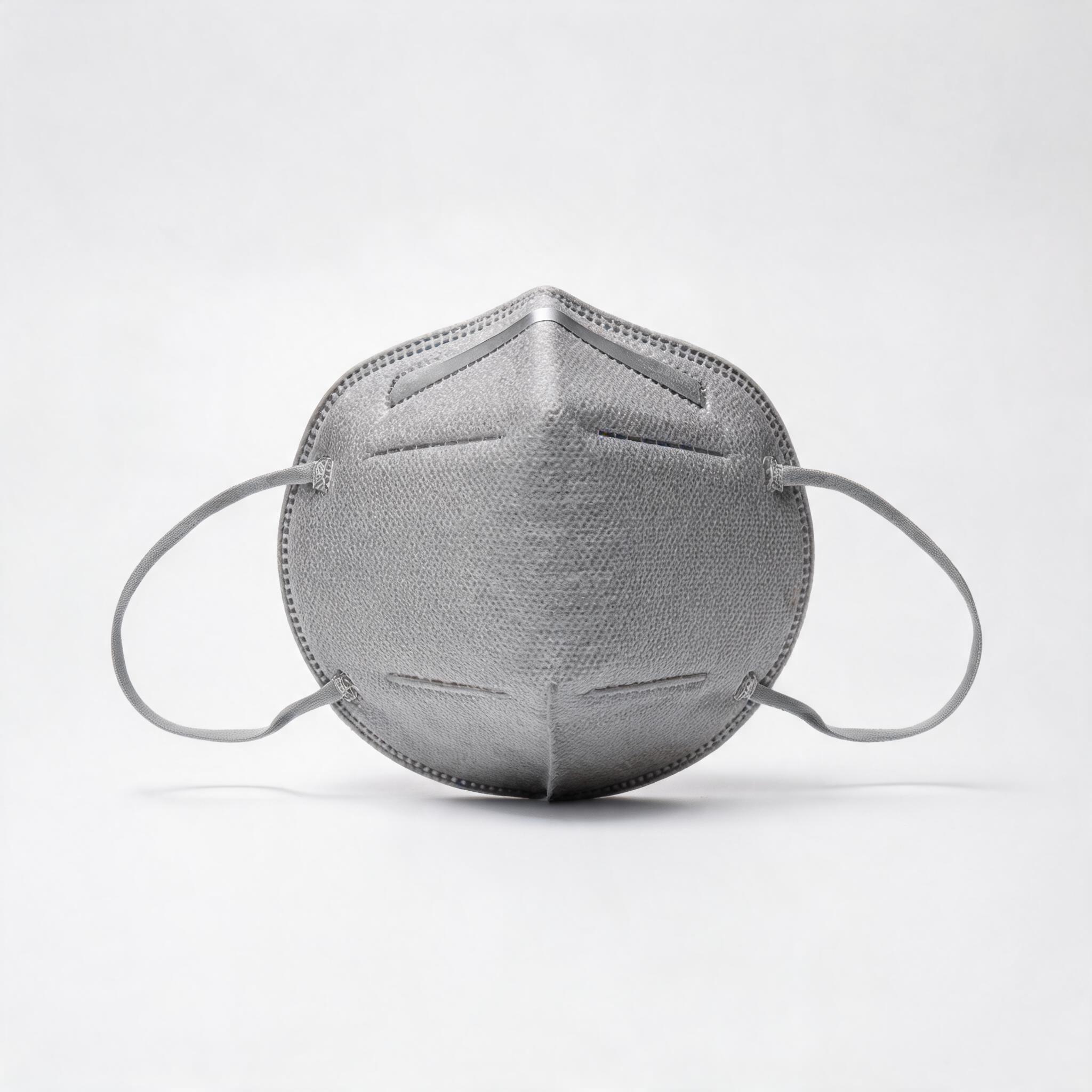
Justsun manufactures KN95 respirators with dual adjustable headband straps designed for medical, industrial, and institutional buyers who prioritize wearer comfort and seal reliability. Our KN95 Cup Respirator Grey features rigid thermoplastic cup construction with dual adjustable headband straps, specifically engineered for 8+ hour continuous use in medical and industrial settings. The headband design, combined with the cup structure, maintains consistent facial sealing pressure without the slippage and loosening common to ear loop designs.
Headband vs Ear Loop: Comparative Performance for kn95 mask export
The choice between headband and ear loop strap systems fundamentally affects respirator performance, wearer compliance, and overall protection. International buyers should understand these differences when specifying kn95 mask export for their procurement requirements:
| Performance Factor | Headband Straps | Ear Loops |
|---|---|---|
| Seal pressure distribution | Even pressure across face seal | Concentrated at ear attachment points |
| Extended wear comfort (4+ hours) | Excellent; no ear pressure | Poor; ear chafing and pain |
| Seal integrity during movement | Stable; straps anchor to head | Prone to shifting; less secure |
| Donning speed | Slower; requires two-hand adjustment | Faster; simple ear loop placement |
| Fit factor achievement | Higher fit factors in quantitative testing | Lower fit factors; more variable |
| Compatibility with eyewear | No interference with glasses arms | Can press glasses arms into temples |
| Cost | Slightly higher (more strap material) | Lower (simpler strap design) |
For procurement specifications requiring OSHA-compliant respiratory protection programs or EN 149 FFP2 compliance, headband designs typically achieve higher fit test pass rates because the strap tension is optimized for facial sealing rather than wearer convenience.
Adjustable Headband Mechanisms in kn95 mask export
The headband strap system in a kn95 mask export is not a simple elastic band. Quality headband respirators use engineered strap configurations that balance tension, adjustability, and durability. Justsun's headband KN95 respirators incorporate the following strap design features:
- Dual-strap configuration: Two separate straps positioned at different heights on the back of the head—one at the upper occipital region and one at the nape of the neck. This two-point anchoring system creates even tension across the entire face seal perimeter.
- Adjustable tension buckles: Each strap features an adjustable buckle that allows the wearer to fine-tune tension for their head size and facial structure. This is critical for achieving a proper seal across diverse wearer populations in institutional settings.
- Latex-free elastic material: Straps are made from synthetic elastic (thermoplastic elastomer or woven polyester elastic) to prevent allergic reactions in latex-sensitive wearers. The material maintains elasticity throughout the respirator's service life and storage period.
- Ultrasonic welding attachment: Straps are ultrasonically welded to the respirator body rather than glued or stapled. Ultrasonic welding creates a molecular bond that maintains tensile strength even under repeated stretching and high-humidity conditions.
- Tensile strength rating: Each strap attachment point must withstand 10N of force for 10 seconds without breaking or detaching, per GB2626-2006 requirements. Justsun tests strap strength on every production batch.
Fit Testing Requirements for kn95 mask export in Occupational Settings
When kn95 mask export is used in occupational settings regulated by OSHA (United States) or equivalent national workplace safety authorities, employers must conduct fit testing to verify that the respirator provides an adequate seal for each individual wearer. Fit testing requirements include:
Qualitative fit testing (QLFT): Uses a sensitivity solution (saccharin, bitter, or isoamyl acetate) to detect leakage around the face seal. The wearer performs a series of exercises (normal breathing, deep breathing, head movements, talking, bending) while wearing the respirator. If the wearer can taste the solution, the fit is inadequate.
Quantitative fit testing (QNFT): Uses an instrument (such as a PortaCount) to measure the concentration of particles inside and outside the respirator, calculating a fit factor. Headband respirators typically achieve fit factors of 100-1000+, depending on the model and wearer facial characteristics. A fit factor of ≥100 is required for half-facepiece respirators.
Fit test frequency: Initial fit testing is required before first use, annually thereafter, and whenever changes in the wearer's facial characteristics (weight gain/loss, dental work, facial surgery) may affect the seal. Employers must maintain fit test records for each employee.
Justsun provides fit testing guidance and sample respirators for employer fit testing programs. Our headband KN95 respirators are designed to accommodate a wide range of facial sizes and shapes, improving fit test pass rates in diverse wearer populations.
Medical and Healthcare Applications for kn95 mask export
Hospital procurement teams searching for kn95 mask export are typically sourcing respiratory protection for healthcare workers who need high-level particulate protection during extended shifts. The headband design is specifically valued in healthcare settings for several reasons:
Surgical and procedure use: Headband respirators are preferred in operating rooms and procedure areas because they do not interfere with surgical caps, loupes, or headlights. The straps sit above and below the standard surgical cap without creating pressure points.
Emergency department and ICU: Healthcare workers in emergency and intensive care settings wear respirators for full 8-12 hour shifts. Headband designs prevent the ear fatigue and pressure sores that ear loop respirators cause during extended use, improving wearer compliance and reducing the risk of premature respirator removal.
Compatibility with face shields and goggles: Headband straps do not interfere with the temple arms of safety glasses, goggles, or face shield headbands. This is critical in healthcare settings where eye protection is required alongside respiratory protection, and ear loop respirators can create uncomfortable pressure where glasses arms and ear loops overlap.
Visitor and patient screening: Hospital entry points staffed for temperature checks and symptom screening require respiratory protection for staff working 4-8 hour shifts. Headband respirators provide sustained comfort for these stationary but extended-wear applications.
Industrial Safety Applications for kn95 mask export
Beyond healthcare, kn95 mask export with headband straps serves critical roles in industrial safety programs where workers face particulate exposure hazards:
Construction and demolition: Workers exposed to silica dust, concrete dust, and demolition debris require respirators that maintain their seal during physical labor including bending, reaching, and overhead work. Headband straps provide the secure anchoring needed to prevent respirator displacement during vigorous movement.
Manufacturing and welding: Welders, grinders, and machine operators need respiratory protection that fits under welding helmets and face shields. The low-profile headband design of KN95 respirators is compatible with most welding helmet configurations, unlike bulkier half-facepiece respirators.
Oil and gas industry: Workers in refineries, drilling operations, and petrochemical plants require respiratory protection that can be worn for full 12-hour shifts. Headband comfort and seal reliability are essential for maintaining protection throughout extended work periods in harsh environments.
Agriculture and grain handling: Workers exposed to organic dust, grain dust, and pesticide residues benefit from the secure fit and extended-wear comfort of headband respirators. The dual-strap design maintains seal integrity even when workers are bending, lifting, and moving in confined spaces.
Procurement Specifications for kn95 mask export in Institutional Buying
Institutional buyers—hospitals, government agencies, industrial corporations—procuring kn95 mask export should include specific technical requirements in their purchase specifications and RFP documents:
| Specification | Required Value | Verification Method |
|---|---|---|
| Filtration standard | GB2626-2006 KN95 (≥95% PFE) | Test report from accredited lab |
| Strap type | Dual adjustable headband | Product specification sheet |
| Strap material | Latex-free synthetic elastic | Material specification |
| Strap attachment | Ultrasonic welding | Factory inspection report |
| Strap tensile strength | ≥10N per attachment point | Batch test report |
| Nose clip | Adjustable aluminum | Product specification |
| Valve (optional) | One-way exhalation valve | Product model specification |
| Individual packaging | Hygienic polybag per unit | Packaging specification |
| CE certification | Notified body issued | CE certificate copy |
| Shelf life | 3 years from manufacture date | Package labeling |
Supplier Evaluation for kn95 mask export Headband Respirators
Evaluating a supplier for kn95 mask export requires attention to headband-specific quality factors that differ from ear loop respirator sourcing:
Strap attachment testing: Request test data showing that the ultrasonic welding between strap and respirator body meets the 10N tensile strength requirement. Poor welding is the most common failure point in headband respirators, leading to strap detachment during use.
Strap material quality: Verify that the elastic material maintains tension after repeated stretching. Low-quality elastic degrades quickly, causing the respirator to loosen during wear and compromising the facial seal.
Buckle durability: If the respirator uses adjustable tension buckles, test the buckle mechanism for smooth operation and secure locking. Buckles that slip under tension will cause the respirator to loosen during use.
Fit test data: Request fit testing data from the manufacturer, including fit factors achieved across different facial sizes. This data helps predict fit test pass rates in your wearer population.
Production consistency: Headband respirators require more complex assembly than ear loop models. Verify that the supplier has consistent production quality by requesting test reports from multiple production batches.
Cost Analysis: kn95 mask export Total Cost of Ownership
When calculating the total cost of ownership for kn95 mask export with headband straps, institutional buyers should consider factors beyond unit price:
- Fit test pass rate: Higher fit test pass rates reduce the administrative cost of repeated testing and alternative respirator provisioning for employees who fail the initial fit test. Headband respirators typically achieve 85-95% pass rates compared to 70-85% for ear loop models.
- Wearer compliance: Comfortable respirators are worn correctly for longer periods, reducing the risk of workplace exposure incidents and associated costs. The cost of a single occupational illness claim can exceed the annual respirator budget for an entire facility.
- Inventory simplification: Headband respirators in standard and small sizes can fit a broader range of wearers than ear loop models, potentially reducing the number of sizes and models that must be stocked.
- Regulatory compliance: For OSHA-regulated environments, respirators that achieve higher fit factors reduce the risk of compliance violations and associated penalties.
Frequently Asked Questions About kn95 mask export
Why choose headband straps over ear loops for KN95 respirators?
Headband straps distribute tension across the back of the head, eliminating ear pressure during extended wear. They provide a more secure facial seal that maintains integrity during physical movement, achieve higher fit test pass rates, and do not interfere with eyewear or face shields. For applications requiring 4+ hours of continuous wear, headband designs significantly improve wearer comfort and compliance.
What is the strap tensile strength requirement for KN95 respirators?
Per GB2626-2006, each strap attachment point must withstand a minimum of 10N force for 10 seconds without breaking or detaching. Justsun tests strap tensile strength on every production batch and provides batch-specific test reports upon request.
Are the headband straps latex-free?
Yes, Justsun's headband straps are made from latex-free synthetic elastic material (thermoplastic elastomer or woven polyester). This prevents allergic reactions in latex-sensitive wearers and complies with healthcare procurement requirements that prohibit latex components.
Can headband KN95 respirators be worn under welding helmets?
Yes, the low-profile design of KN95 headband respirators is compatible with most welding helmet configurations. The straps sit above and below the standard welding headgear without creating pressure points. However, verify compatibility with your specific helmet model before bulk purchasing.
What fit factor can I expect from headband KN95 respirators?
Headband KN95 respirators typically achieve quantitative fit factors of 100-1000+ depending on the wearer's facial characteristics and the specific respirator model. A fit factor of ≥100 is required for half-facepiece respirators under OSHA standards. Justsun can provide fit testing data from multiple facial size categories.
How do adjustable headband buckles work?
Each strap features an adjustable buckle that allows the wearer to increase or decrease tension by sliding the strap through the buckle mechanism. This enables fine-tuning of the facial seal pressure for different head sizes and shapes. The buckle locks the strap position securely during wear.
What is the MOQ for headband KN95 respirators?
Standard MOQ is 10,000 units for headband KN95 models. OEM branding with custom packaging requires a minimum of 50,000 units. Volume pricing tiers apply at 50,000, 100,000, 200,000, and 500,000 units.
How are headband straps attached to the respirator?
Straps are ultrasonically welded to the respirator body, creating a molecular bond between the strap material and the mask body. This method is stronger and more durable than adhesive bonding or stapling, and maintains tensile strength even under high-humidity conditions.
Can I order headband KN95 respirators with exhalation valves?
Yes, Justsun offers headband KN95 respirators with optional one-way exhalation valves. The valve reduces breathing resistance and heat buildup during extended wear. Valved models are ideal for industrial applications but are not recommended for sterile medical environments.
What certifications are provided with headband KN95 respirators?
All headband KN95 respirators carry CE certification under GB2626-2006 and FDA establishment registration. We provide BFE and PFE test reports, strap tensile strength test data, and certificate copies with matching manufacturer details. Complete documentation is included with every shipment.