

kn95 mask factory: The Cup-Style Valved Respirator Solution
Buyers searching for kn95 mask factory are looking for a specific combination of two design features in a KN95 respirator: the rigid cup-shaped shell that maintains its three-dimensional form independently of strap tension, and the integrated one-way exhalation valve that reduces breathing resistance during extended wear. This combination creates a respirator that excels in demanding industrial and occupational environments where workers need both structural stability and breathing comfort over long shifts. The cup-and-valve configuration represents the premium tier of KN95 respirator design, offering the highest level of wearer comfort and protection durability for physically demanding applications.
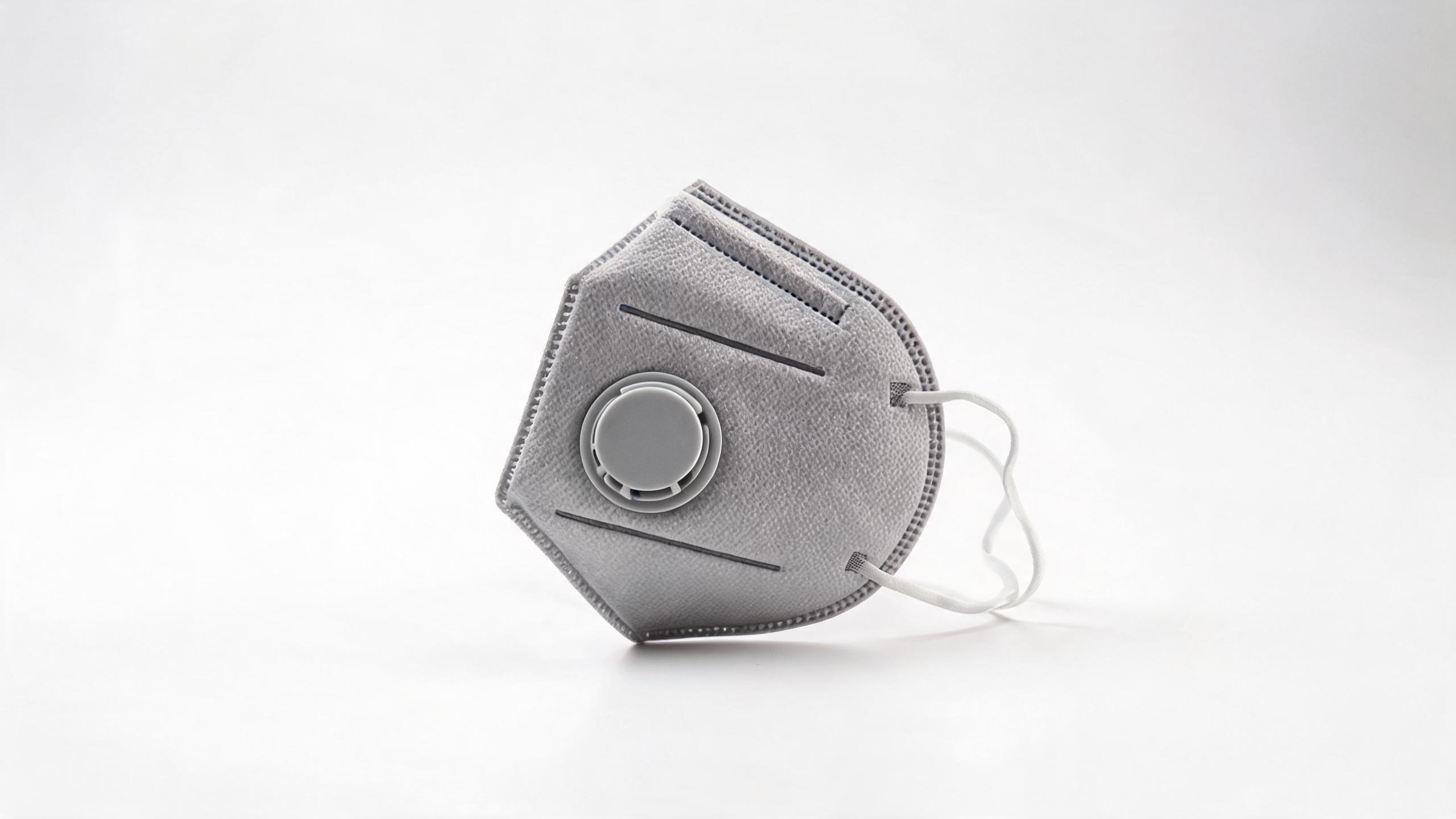
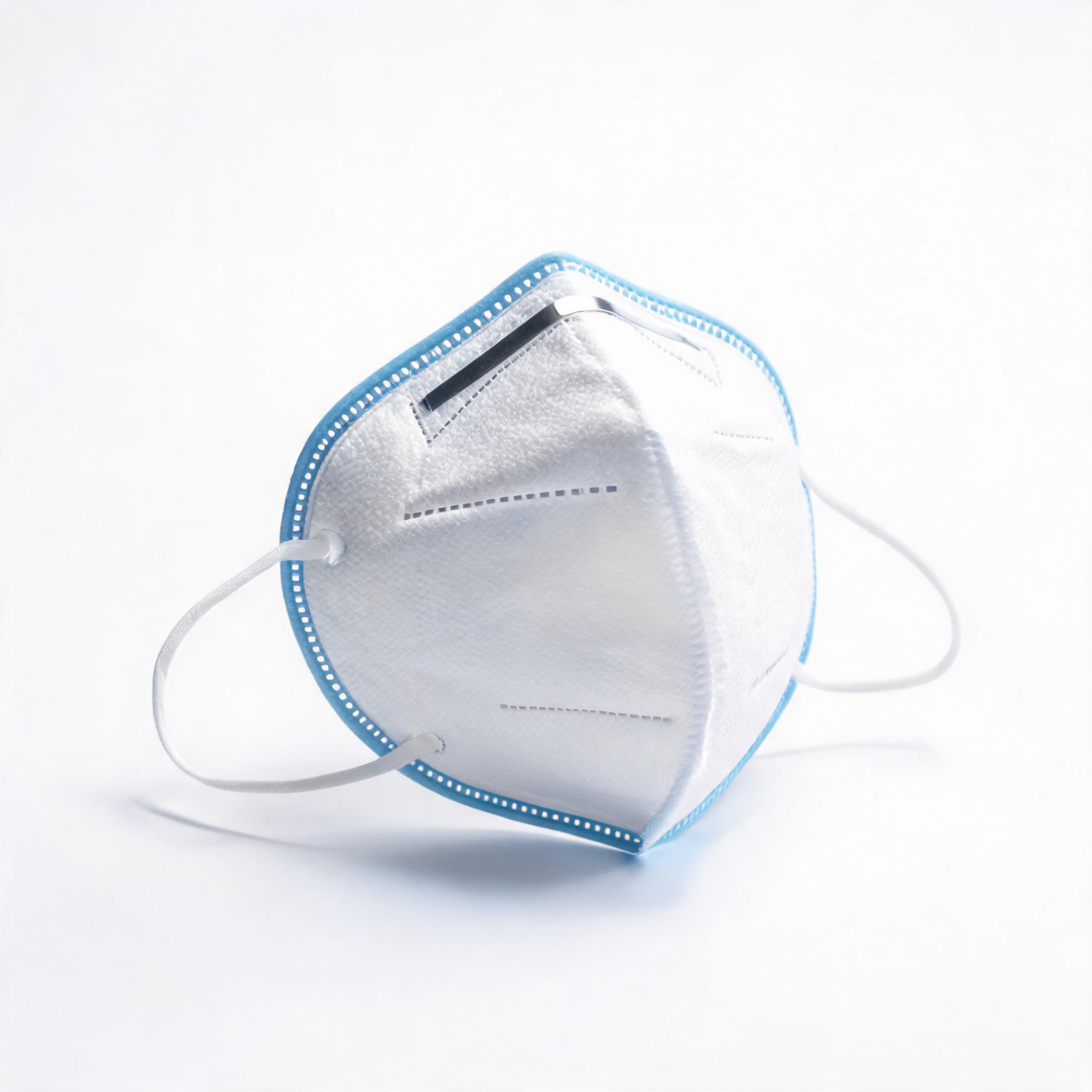
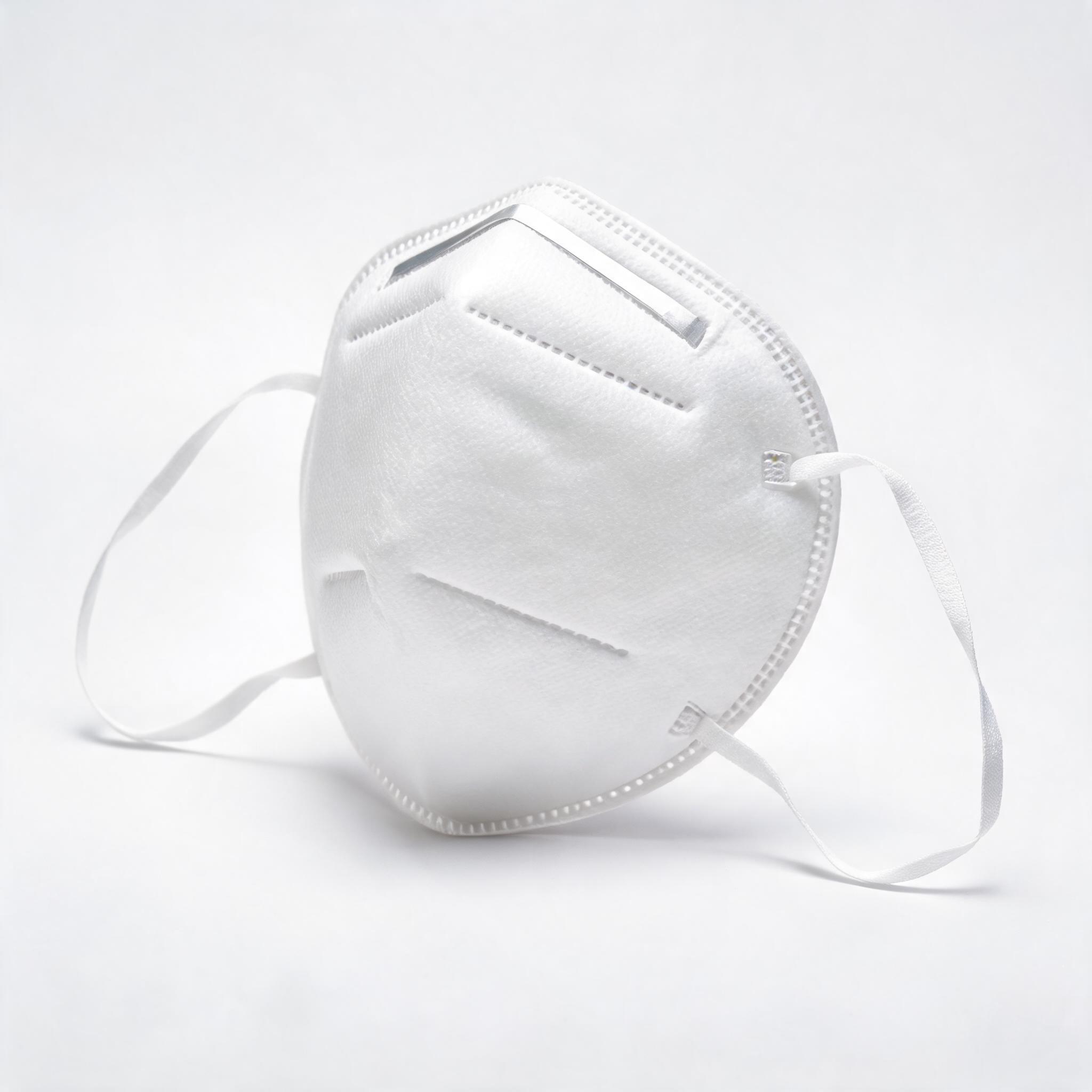
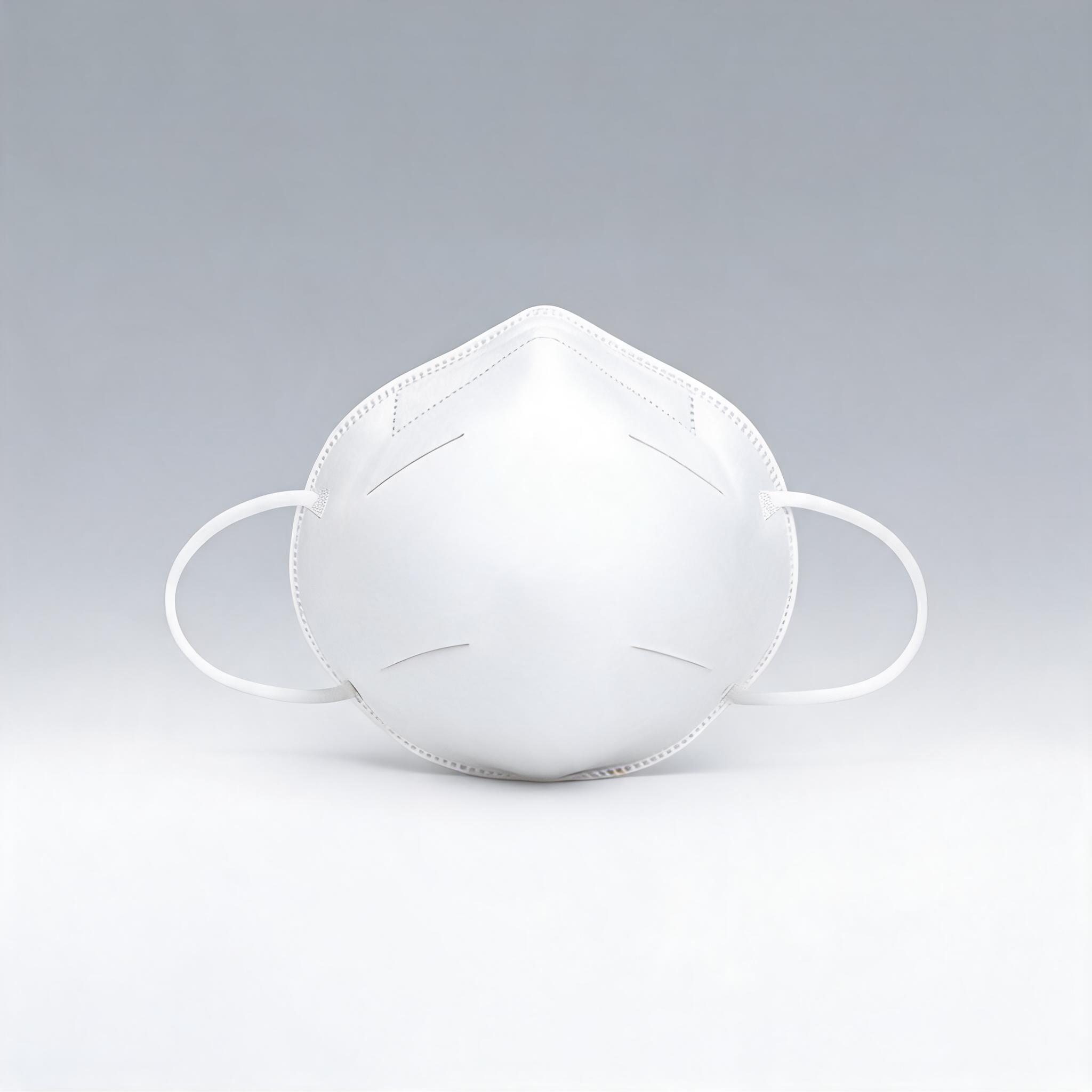
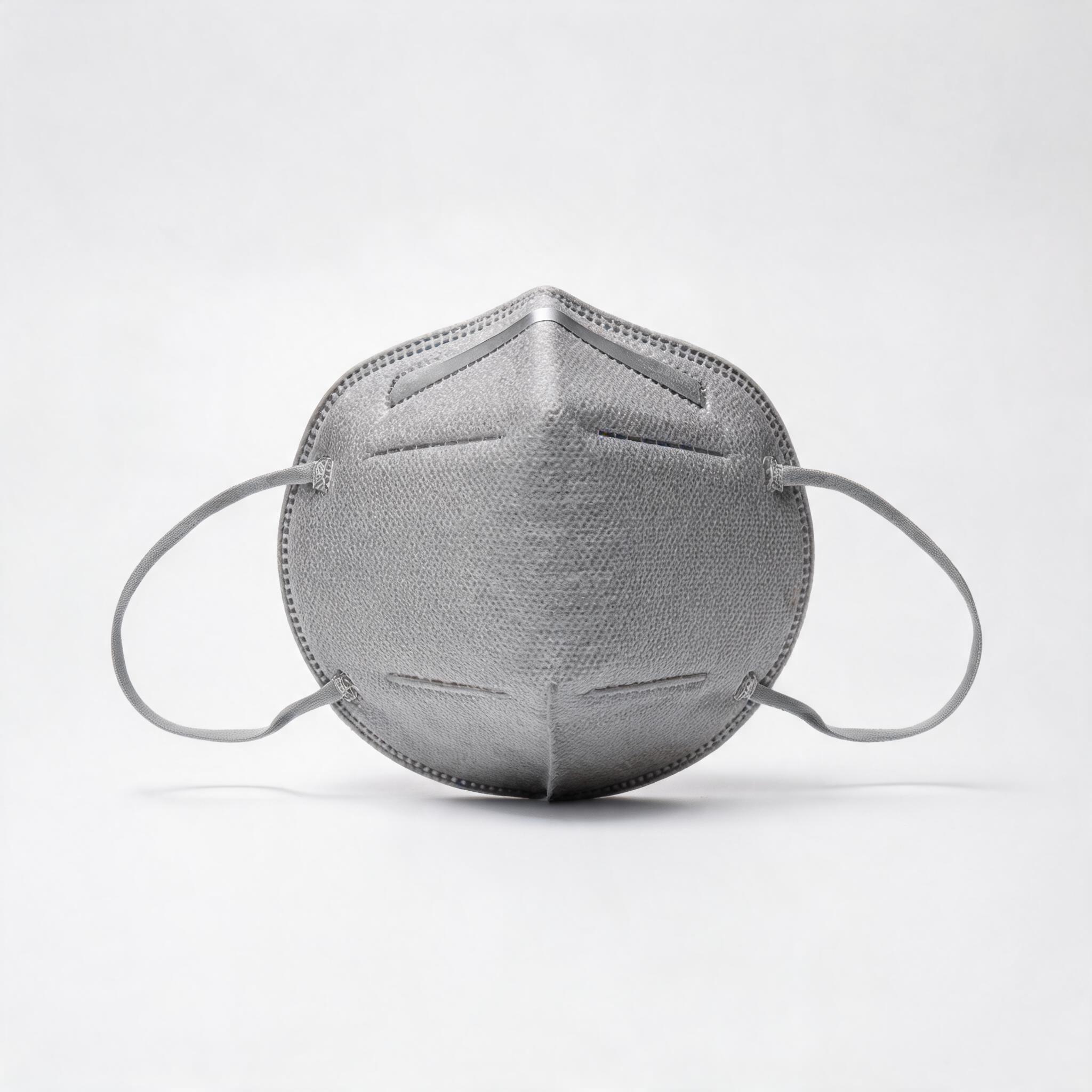
Justsun's KN95 Cup Respirator Grey and KN95 Valve Respirator Black represent the cup-style and valved designs in our product line. The cup-style valved model combines the rigid thermoplastic shell with a one-way exhalation valve, achieving ≥95% filtration efficiency under GB2626-2006 while providing the breathing comfort and structural integrity required for industrial, construction, and manufacturing applications.
Cup Structure Engineering: How Rigid Design Enhances kn95 mask factory Performance
The cup-shaped construction of kn95 mask factory provides performance advantages that fold-flat designs cannot replicate. Understanding the structural engineering helps buyers evaluate whether this design is appropriate for their target application:
Independent structural integrity: The rigid thermoplastic shell maintains its three-dimensional shape without relying on strap tension or facial contact pressure. This means the respirator maintains its protective shape even if the wearer adjusts the straps, speaks, or moves their head. The respirator does not collapse against the mouth during heavy breathing or physical exerture, maintaining consistent breathing space and seal geometry.
Consistent facial seal: The pre-formed cup shape is designed to match average facial contours, providing a consistent sealing surface around the nose, cheeks, and chin. The rigid structure ensures that the seal pressure is distributed evenly around the face seal perimeter, reducing leakage points that can occur with flexible respirator designs that depend on strap tension for shape maintenance.
Breathing chamber volume: The cup shape creates a larger internal volume between the respirator surface and the wearer's face, providing a bigger breathing chamber. This reduces the sensation of claustrophobia and the dead space CO₂ concentration, improving wearer comfort during extended use. The larger chamber also reduces breathing resistance by providing more space for air circulation before it passes through the filter media.
Structural material: The thermoplastic shell is formed from a rigid polypropylene material that provides structural support without adding significant weight. At approximately 4.5 grams per unit, the cup respirator is lightweight enough for 8+ hour continuous wear while maintaining structural integrity throughout the shift.
Valve Integration in Cup Design: Synergy for kn95 mask factory
The combination of cup structure and exhalation valve in kn95 mask factory creates a synergistic effect that enhances both comfort and performance:
| Performance Factor | Cup + Valve | Cup Only | Fold-Flat + Valve |
|---|---|---|---|
| Breathing resistance (exhalation) | Lowest (valve bypass) | Higher (filter resistance) | Low (valve bypass) |
| Structural stability during exertion | Excellent (rigid shell) | Excellent (rigid shell) | Moderate (strap-dependent) |
| Heat and moisture management | Best (valve + chamber) | Good (chamber only) | Good (valve only) |
| Seal consistency during movement | Excellent (rigid shell) | Excellent (rigid shell) | Moderate (flexible) |
| Extended wear comfort (8+ hours) | Best | Good | Good |
| Breathing chamber volume | Largest | Large | Small |
The cup + valve combination is the optimal design for applications requiring maximum comfort and protection during physically demanding work. The valve handles moisture and heat management while the rigid shell maintains structural and seal integrity regardless of the wearer's activity level.
Valve Performance Specifications for kn95 mask factory
The exhalation valve in a cup-style KN95 respirator must meet specific performance criteria under GB2626-2006. Buyers should verify valve specifications when sourcing kn95 mask factory:
- Valve type: One-way mechanical exhalation valve with diaphragm that opens during exhalation and seals during inhalation. No electronic components or power source required.
- Valve material: Medical-grade polypropylene housing with silicone or EPDM rubber diaphragm. Materials are hypoallergenic and compatible with prolonged skin proximity.
- Exhalation resistance: ≤50 Pa at 85 L/min flow rate per GB2626-2006. This is significantly lower than the ≤80 Pa exhalation resistance of non-valved respirators, reducing breathing effort during physical exertion.
- Valve leakage during inhalation: Zero measurable inward leakage through the valve port. The diaphragm must seal completely during inhalation to ensure all inhaled air passes through the filtration layers.
- Valve cycle durability: Tested for 10,000+ breathing cycles to ensure consistent valve operation throughout the respirator's service life. The diaphragm must maintain its sealing performance and opening responsiveness after repeated cycling.
- Visual inspection port: The valve housing is transparent or semi-transparent, allowing the wearer to visually verify diaphragm integrity before use. A damaged or displaced diaphragm is immediately visible.
Application Environments for kn95 mask factory
The cup-style valved KN95 respirator is specifically designed for demanding work environments where both structural stability and breathing comfort are essential. Key application environments include:
Construction and demolition: Workers in construction face high particulate loads from concrete dust, silica, wood dust, and demolition debris. The cup structure maintains its shape during physical labor including overhead work, bending, and climbing, while the valve reduces breathing resistance and heat buildup during strenuous activity. The rigid shell prevents the respirator from collapsing against the face when workers are in confined spaces or wearing additional PPE such as hard hats and safety glasses.
Welding and metal fabrication: Welders are exposed to metal fumes, grinding dust, and high ambient temperatures. The cup + valve design provides the breathing comfort needed for extended welding shifts while maintaining filtration integrity against metal particulates. The rigid structure is compatible with welding helmets and face shields, fitting underneath without interference.
Mining and quarrying: Mine workers and quarry operators face extreme particulate environments with silica dust, coal dust, and rock dust. The cup structure maintains its protective shape in rugged conditions, while the valve manages the heat and humidity of underground and high-temperature surface environments. The larger breathing chamber reduces claustrophobia in confined underground spaces.
Manufacturing and chemical processing: Factory workers in chemical plants, pharmaceutical manufacturing, and industrial processing face particulate exposure combined with heat from machinery and processes. The cup + valve design provides comfortable respiratory protection for 8-12 hour shifts in these demanding environments.
Foundry and steel industry: Foundry workers and steel mill operators work in extreme heat environments with metal fume exposure. The valve is essential for managing the heat load of these environments, while the cup structure maintains protection during physically demanding tasks such as pouring and casting operations.
Selecting Cup-Style Valved Respirators: Buyer Decision Framework
When evaluating kn95 mask factory for procurement, buyers should consider the following decision factors to determine if this design is appropriate for their target application:
- Wearer activity level: If end-users perform moderate to heavy physical labor (construction, manufacturing, mining), the cup + valve design provides the best combination of comfort and protection. For sedentary or light-activity users, a fold-flat or non-valved design may be sufficient.
- Wear duration: For shifts of 8 hours or more, the breathing comfort and heat management of the valve, combined with the structural stability of the cup, reduce fatigue and improve wearer compliance. For short-duration use (under 2 hours), a simpler design may be adequate.
- Ambient temperature: In high-temperature environments (foundries, outdoor construction in hot climates, underground mining), the valve is essential for managing heat and moisture inside the respirator. In moderate-temperature environments, a non-valved cup respirator may be sufficient.
- Particulate load: In high-particulate environments (demolition, mining, woodworking), the cup structure maintains its shape and seal even as the outer layer accumulates dust. Flexible designs may lose shape or seal integrity as dust accumulates on the surface.
- Compatibility with other PPE: The cup shape is compatible with hard hats, welding helmets, face shields, and safety glasses. Verify compatibility with the specific PPE configuration worn by end-users.
- Budget considerations: Cup-style valved respirators cost 25-40% more than standard fold-flat ear loop models due to the rigid shell material, valve component, and more complex assembly. Evaluate whether the performance benefits justify the cost premium for the target application.
Quality Verification for kn95 mask factory
Quality verification for cup-style valved respirators requires additional testing beyond standard KN95 parameters. Justsun's Quality Control Center performs the following cup-and-valve specific tests:
- Shell structural integrity: The cup shell is tested for dimensional stability under temperature cycling (-10°C to 40°C) to verify that the thermoplastic material maintains its shape across the storage temperature range.
- Shell crush resistance: The cup is subjected to controlled pressure to verify that it maintains structural integrity during shipping and handling without permanent deformation.
- Valve performance testing: Exhalation resistance (≤50 Pa at 85 L/min), valve leakage (zero inward leakage during inhalation), and cycle durability (10,000+ cycles) are tested on every production batch.
- Seal perimeter testing: The facial seal is tested using a test head form to verify that the pre-formed cup shape creates an adequate seal across the standard facial dimensions.
- Strap attachment testing: The dual headband straps are tested for tensile strength (≥10N) and for their ability to maintain the cup position on the face during movement and activity.
Packaging and Distribution for kn95 mask factory
Cup-style valved respirators have specific packaging requirements due to their rigid three-dimensional shape:
Individual packaging: Each cup respirator is individually sealed in a shaped polybag that accommodates the three-dimensional form without crushing or deforming the shell. The polybag material and shape are designed to protect the valve mechanism and maintain the cup structure during shipping.
Carton configuration: Cup respirators require larger cartons than fold-flat models due to their rigid shape. Master cartons typically hold 200-350 units (compared to 400-600 for fold-flat). This affects shipping density and freight cost per unit, which buyers should factor into their total cost comparison.
Container loading: A 20-foot container holds approximately 800,000-1.2 million cup-style respirators, compared to 1.2-1.75 million fold-flat respirators. The lower shipping density is offset by the superior performance characteristics for the target applications.
Storage requirements: Cup respirators should be stored in their original cartons to prevent shell deformation. Cartons should be stacked no more than 5 layers high. The rigid shell provides some protection against compression damage, but excessive weight can still deform the shell over time.
Frequently Asked Questions About kn95 mask factory
What makes a cup-style valved KN95 different from other respirator designs?
A cup-style valved KN95 combines a rigid thermoplastic shell that maintains its three-dimensional shape independently with a one-way exhalation valve that reduces breathing resistance. This design provides the best combination of structural stability, breathing comfort, and heat management for physically demanding work environments. It is the premium tier of KN95 respirator design.
Is the cup-style valved design suitable for medical use?
Cup-style valved respirators are suitable for non-sterile medical applications such as dental clinics, laboratories, and emergency departments where source control is not the primary concern. However, valved respirators are not recommended for surgical procedures or isolation ward use where a sterile field must be maintained, because the valve releases unfiltered exhaled air. For sterile medical environments, non-valved cup respirators should be used instead.
What is the weight of a cup-style valved KN95 respirator?
Justsun's cup-style KN95 respirators weigh approximately 4.5 grams per unit. The lightweight thermoplastic shell material provides structural rigidity without adding excessive weight, making the respirator comfortable for 8+ hour continuous wear. The valve adds minimal weight to the overall product.
How does the breathing resistance compare to non-valved respirators?
The one-way exhalation valve reduces exhalation resistance to ≤50 Pa at 85 L/min, compared to ≤80 Pa for non-valved respirators. This represents a 37.5% reduction in exhalation resistance, which significantly reduces breathing effort during physical exertion. Inhalation resistance remains the same (≤80 Pa) as all inhaled air passes through the filtration layers.
Can the cup respirator be worn under a welding helmet?
Yes, the low-profile cup design is compatible with most welding helmet configurations. The cup respirator sits close to the face, and the headband straps are positioned to avoid interference with welding helmet headgear. However, verify compatibility with your specific helmet model before bulk purchasing, as helmet designs vary.
What is the MOQ for cup-style valved KN95 respirators?
Standard MOQ is 10,000 units for cup-style valved models. OEM branding with custom packaging requires a minimum of 50,000 units. Cup-style valved models are priced 25-40% higher than standard fold-flat ear loop models due to the rigid shell material, valve component, and more complex assembly process.
How long does the valve maintain its performance?
The valve is tested for 10,000+ breathing cycles and maintains its sealing and opening performance throughout the respirator's service life. When stored in original individual packaging at proper conditions (-10°C to 40°C, relative humidity below 80%), the valve retains its performance for the full 3-year shelf life of the respirator.
What certifications are provided with cup-style valved respirators?
All cup-style valved KN95 respirators carry CE certification under GB2626-2006 and FDA establishment registration. We provide BFE and PFE test reports, valve performance test data (exhalation resistance, leakage, cycle durability), shell structural testing, and certificate copies with matching manufacturer details. Complete documentation is included with every shipment.
How are cup-style valved respirators packaged for shipping?
Each respirator is individually sealed in a shaped polybag that protects the cup structure and valve. Units are packed in inner boxes and master cartons of 200-350 units. A 20-foot container holds approximately 800,000-1.2 million cup-style respirators. Storage requires maintaining original carton stacking to prevent shell deformation.
Can I get OEM branding on cup-style valved respirators?
Yes, Justsun offers OEM services for cup-style valved respirators including logo printing on the outer shell using pad printing, custom packaging design, private labeling, and documentation under your brand. OEM orders require a minimum of 50,000 units and a one-time tooling fee. The rigid cup surface provides an excellent printing substrate for logo application.