

kn95 respirator: Why Individual Sealed Packaging Matters
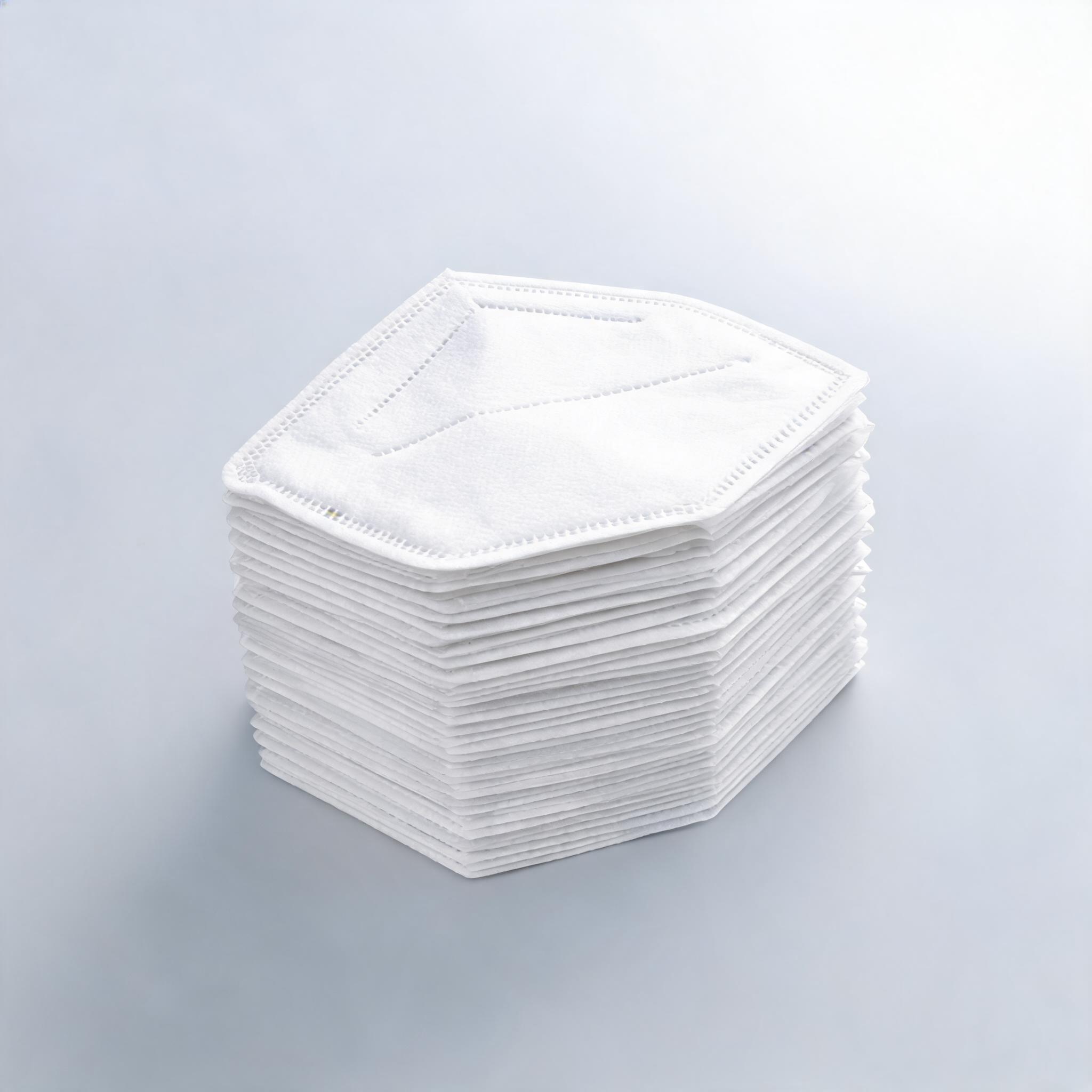
Buyers searching for kn95 respirator are specifying a critical packaging requirement that directly affects product performance, shelf life, and end-user safety. Individual sealed packaging means each respirator is enclosed in its own hygienic polybag, sealed against environmental exposure until the moment of use. This packaging approach is fundamentally different from bulk packaging, where respirators are loose-packed in a shared carton without individual protection. The distinction has significant implications for filtration performance, storage stability, and regulatory compliance.
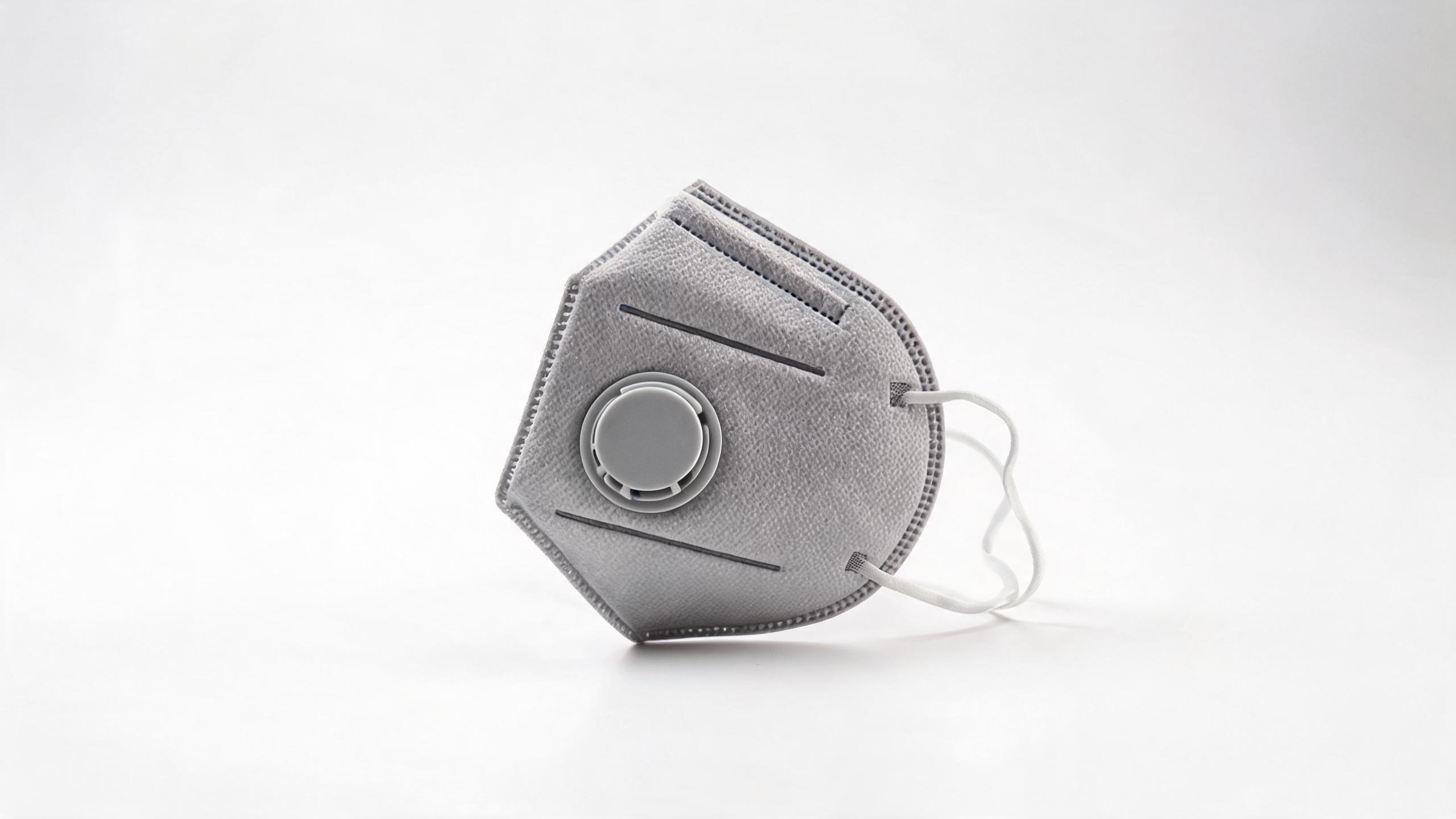
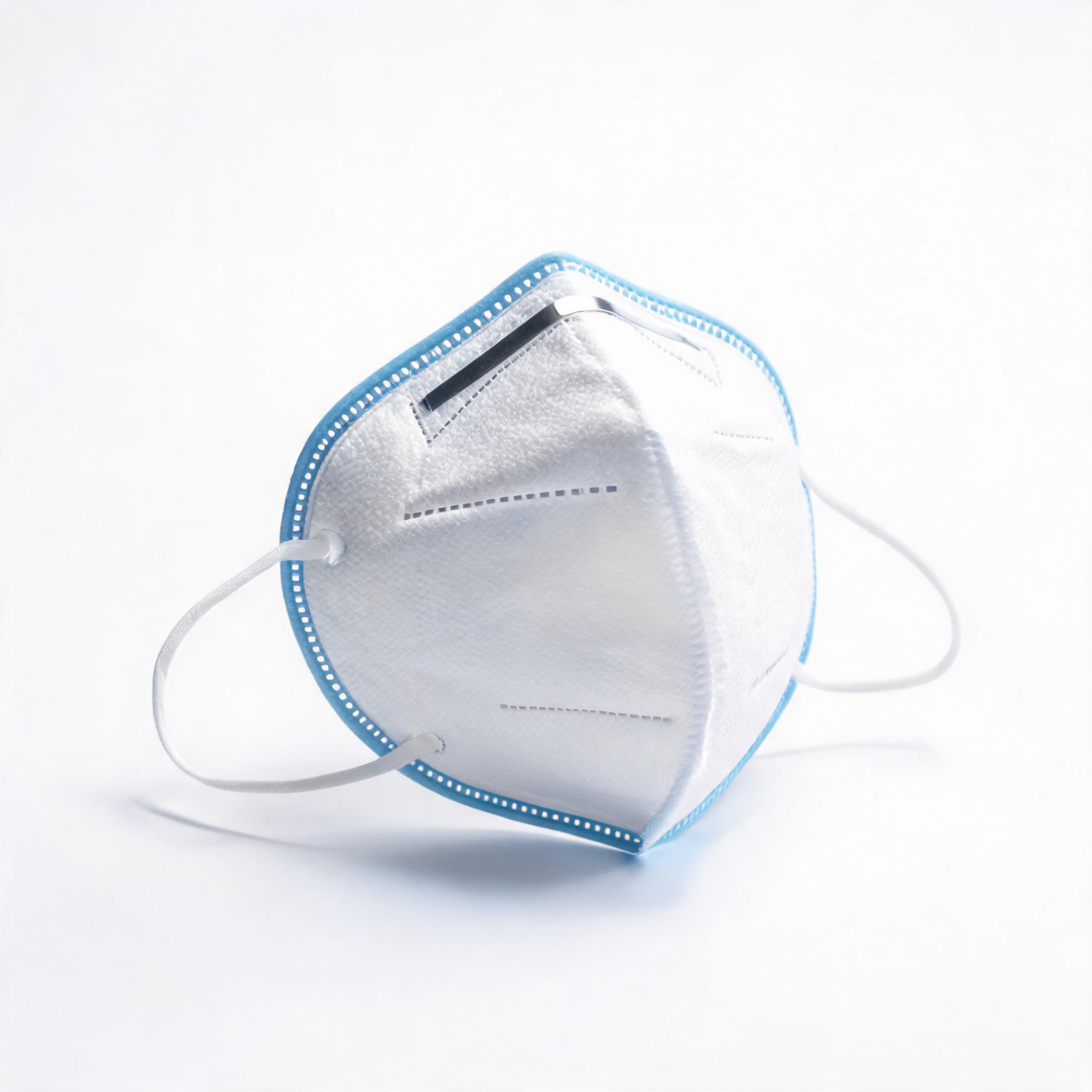
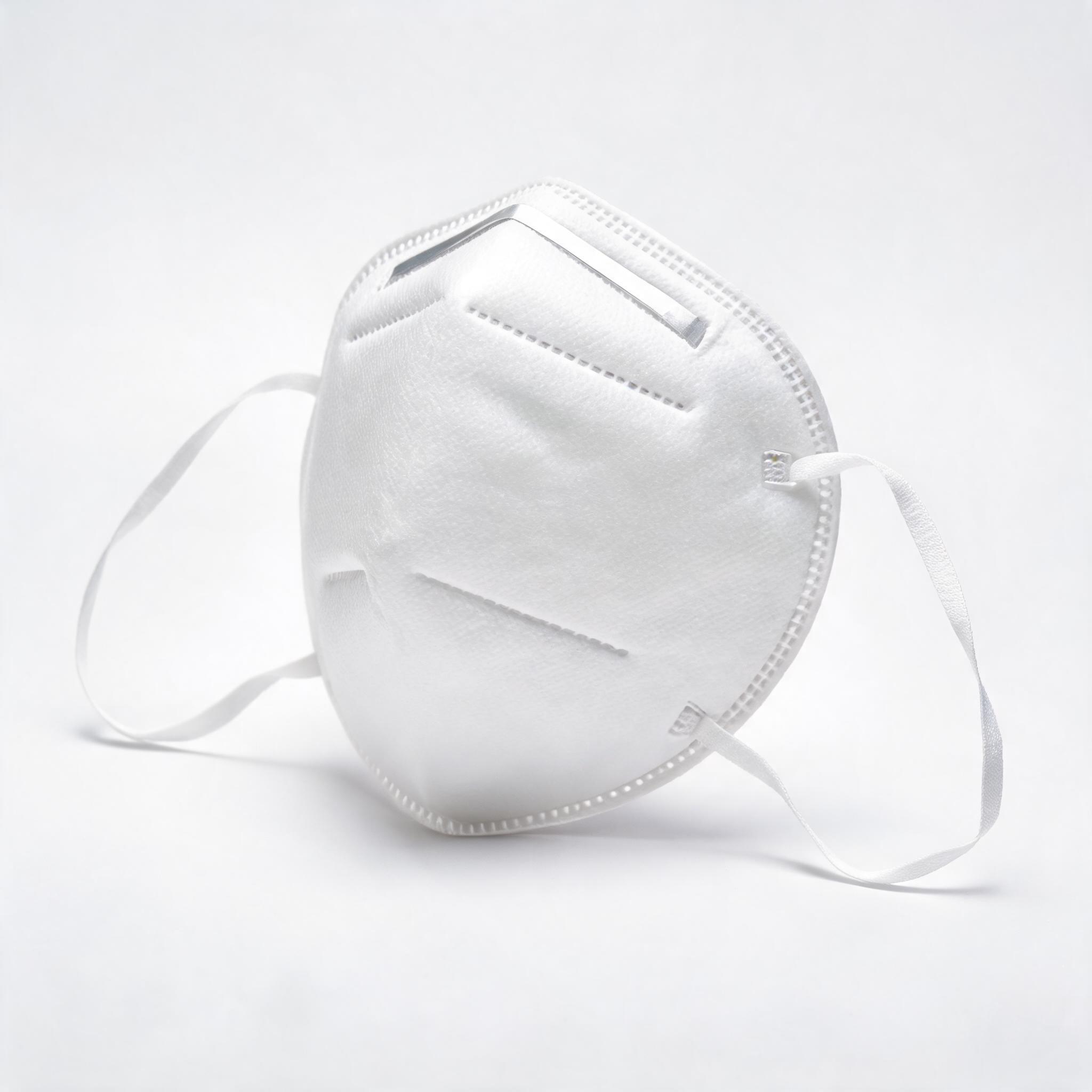
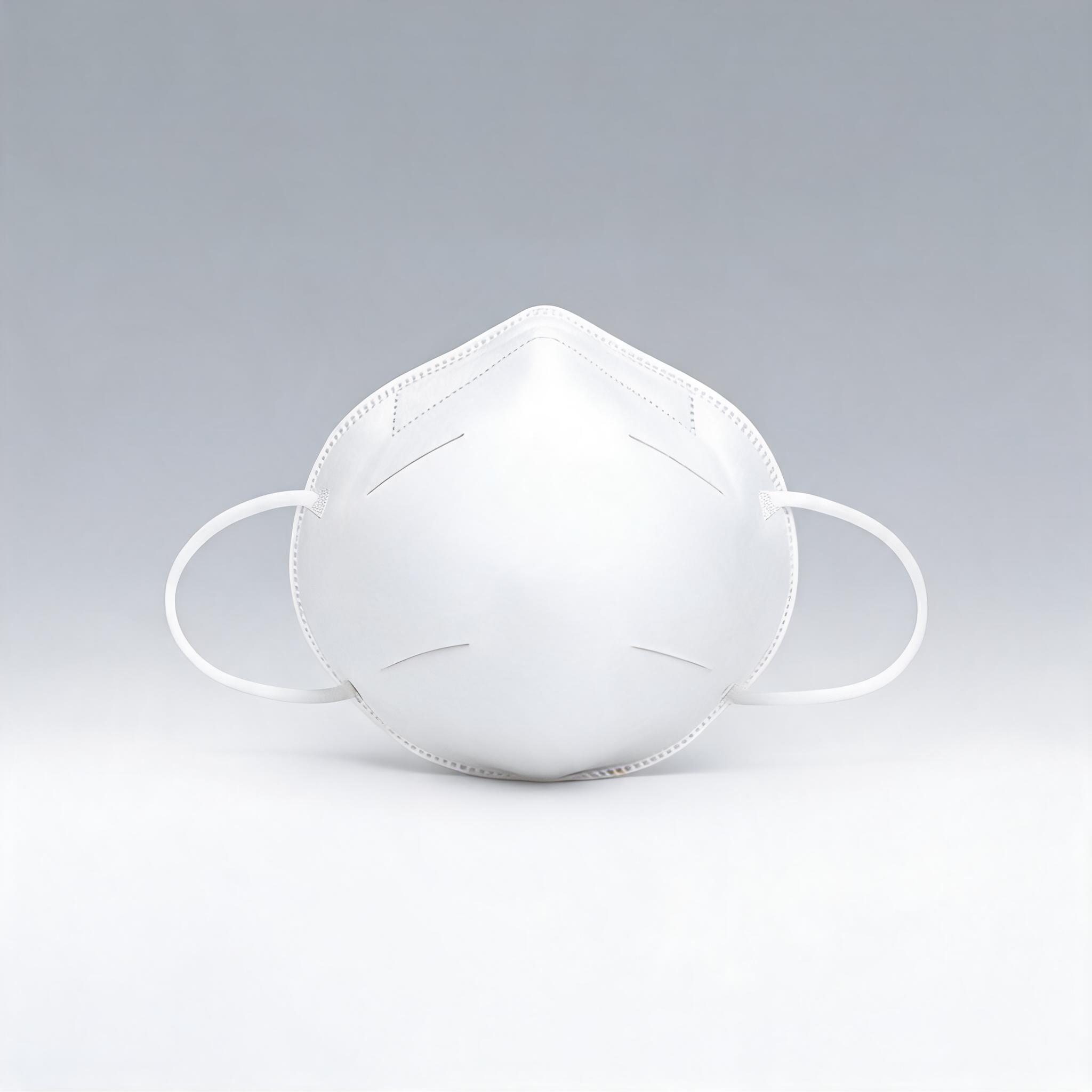
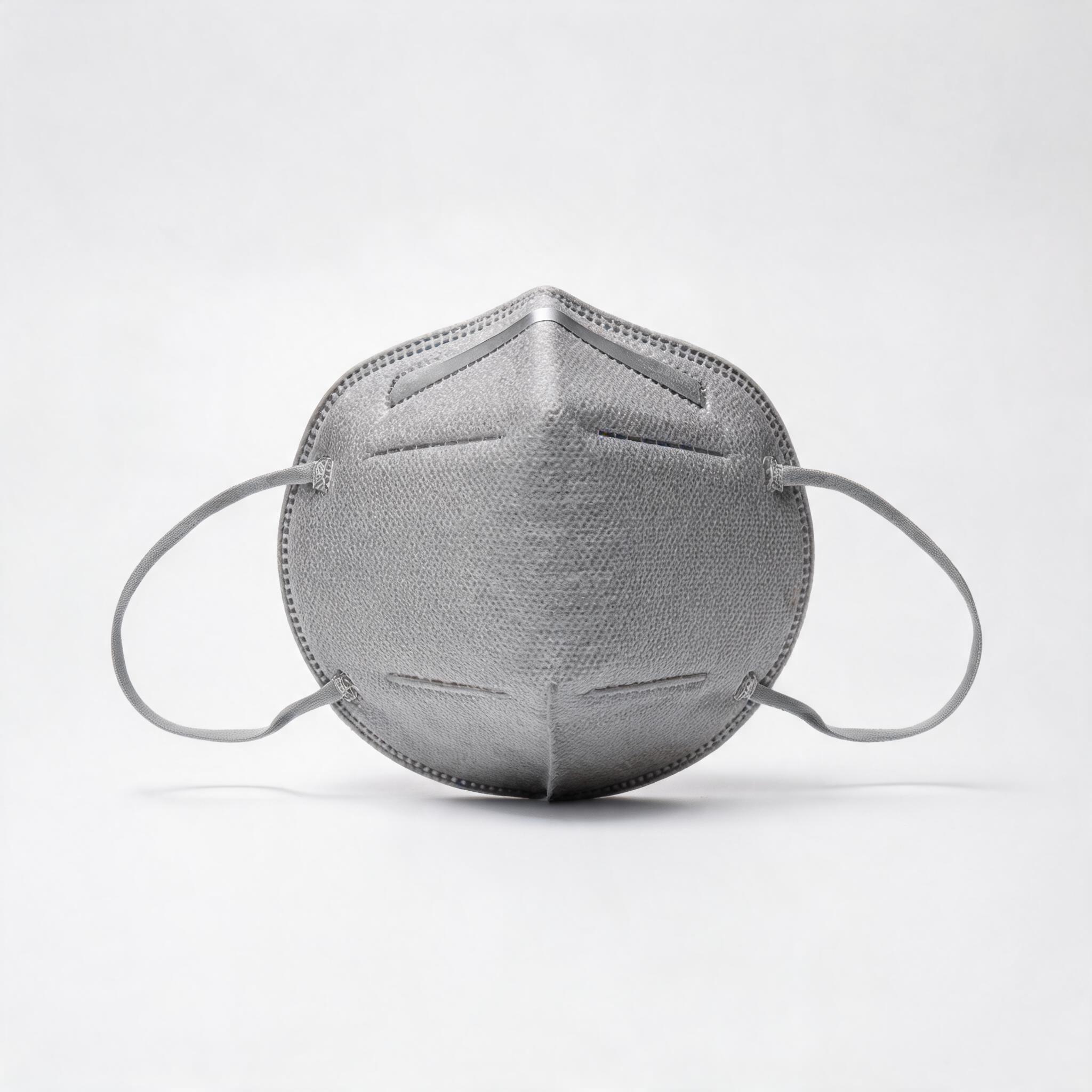
Justsun provides individually sealed packaging as standard on all KN95 respirator models, including our KN95 Cup Respirator Grey and KN95 Valve Respirator Black. Each respirator is sealed in a medical-grade polybag immediately after production and quality inspection, preserving the electrostatic charge on the meltblown filtration layer and protecting against contamination, moisture, and physical damage during storage and transport.
The Science Behind Individual Packaging and Electrostatic Charge Preservation
The filtration performance of kn95 respirator depends not only on the physical structure of the meltblown fabric but also on the electrostatic charge embedded in the material during production. This electrostatic charge significantly enhances the capture of particles smaller than 1 micron through electrostatic attraction, supplementing the mechanical filtration provided by the fiber matrix. However, this charge is vulnerable to environmental degradation:
Humidity degradation: High relative humidity (above 80%) gradually dissipates the electrostatic charge on meltblown fabric. Respirators stored in bulk packaging without individual sealing are exposed to ambient humidity that can reduce filtration efficiency over time. Individual sealed packaging creates a controlled microenvironment that maintains low humidity around the respirator.
Temperature effects: Extreme temperatures accelerate charge dissipation. Individual packaging provides a thermal barrier that buffers against temperature fluctuations during transport and storage, particularly important for shipments passing through different climate zones.
Contamination prevention: Dust, organic vapors, and airborne particles can accumulate on the respirator surface during storage, potentially clogging the filtration media and increasing breathing resistance. Individual sealed packaging prevents contamination ingress, ensuring the respirator performs as designed when deployed.
Charge retention data: Under proper individual packaging and storage conditions, the electrostatic charge on Justsun's meltblown fabric retains ≥90% of its initial value over the 3-year shelf life. Without individual packaging, charge retention may drop to 70-80% within 12 months under typical warehouse conditions, potentially reducing filtration efficiency below the ≥95% threshold.
Individual vs Bulk Packaging: Comparative Analysis for kn95 respirator
The choice between individual sealed packaging and bulk packaging involves trade-offs in cost, performance, and logistics that buyers must evaluate:
| Factor | Individual Sealed | Bulk Packaging |
|---|---|---|
| Electrostatic charge preservation | Excellent; sealed microenvironment | Poor; exposed to ambient conditions |
| Shelf life | 3 years (verified) | 1-2 years (estimated, variable) |
| Hygiene | Each unit protected until use | Exposed to handling and contamination |
| Per-unit cost | 5-10% higher | Lower (no packaging material) |
| Retail suitability | Excellent; individually sellable | Poor; not retail-ready |
| Distribution flexibility | Can distribute individually | Must distribute in bulk |
| Inventory management | Individual unit tracking | Carton-level tracking only |
| Regulatory compliance | Meets medical packaging standards | May not meet medical requirements |
For medical, retail, and institutional procurement, the performance and compliance benefits of individual packaging far outweigh the modest cost premium. For industrial applications where respirators are distributed in bulk and used quickly, bulk packaging may be acceptable.
Polybag Material Specifications for kn95 respirator
The individual packaging used for kn95 respirator is not a generic plastic bag. Justsun uses medical-grade polybag material with specific performance characteristics:
- Material: Food-grade polyethylene (PE) film with thickness of 0.03-0.05mm, providing adequate barrier properties without excessive material cost. The film is transparent or semi-transparent to allow visual inspection of the respirator without opening the package.
- Seal type: Heat-sealed on three sides (bottom and both edges) with a resealable top opening option for retail applications. The heat seal creates an airtight barrier that prevents humidity and contaminant ingress.
- Printing capability: The polybag can be printed with the buyer's brand logo, product model, manufacturing date, expiry date, and regulatory markings using flexographic printing with non-toxic water-based inks.
- Tear resistance: The film is engineered to resist tearing during normal handling while remaining easy to open by the end user. A tear notch is provided for easy opening without tools.
- Barrier properties: The PE film provides a moisture vapor transmission rate (MVTR) of less than 5 g/m²/day, effectively maintaining low humidity inside the package. This barrier is critical for preserving the electrostatic charge on the meltblown layer.
Packaging Line and Quality Control for kn95 respirator
The individual packaging process for kn95 respirator is integrated into the production line to ensure each respirator is packaged immediately after quality inspection, minimizing exposure to the production environment:
- Post-production inspection: Each respirator passes through visual inspection for material defects, seal integrity, nose clip alignment, and strap attachment before packaging.
- Automatic bagging: Approved respirators are automatically fed into individual polybags using automated bagging equipment. This eliminates manual handling contamination and ensures consistent packaging quality.
- Heat sealing: The polybag is heat-sealed with controlled temperature and pressure to create an airtight seal. Seal integrity is monitored continuously during production.
- Seal testing: Random samples from each production batch are tested for seal integrity using a bubble emission test (submerging the sealed package in water and applying internal pressure to detect leaks).
- Labeling: Each sealed package is labeled with the product model, manufacturing date, expiry date, and batch number for traceability. OEM orders include buyer-specific branding and labeling.
- Carton packing: Sealed individual packages are packed into inner boxes (50 units per box) and then master cartons (200-500 units per carton) for shipping.
Retail and Institutional Applications for kn95 respirator
Individual sealed packaging opens distribution channels that are inaccessible to bulk-packaged respirators. Key application scenarios include:
Retail pharmacy sales: Pharmacies and drug stores sell respirators individually or in small multi-packs to consumers. Individual packaging provides the hygiene, labeling, and shelf-ready presentation required for retail sales. Each package includes usage instructions and regulatory information for consumer safety.
Hospital and clinical distribution: Healthcare facilities distribute respirators to staff from central supply. Individual packaging allows controlled issuance—each respirator is tracked from warehouse to staff member, supporting infection control protocols and inventory management. The sealed packaging ensures the respirator is sterile-ready until the moment of use.
Emergency preparedness stockpiling: Government agencies and corporations maintain emergency respirator stockpiles for pandemic response, wildfire smoke events, or industrial accidents. Individual packaging preserves product integrity over the 3-year shelf life, ensuring stockpiled respirators perform reliably when deployed, even years after purchase.
Workplace safety programs: Industrial employers distribute respirators to workers through safety supply rooms or vending machines. Individual packaging enables controlled distribution, tracking of respirator usage by worker, and ensures each respirator is uncontaminated when issued.
E-commerce fulfillment: Online retailers ship respirators directly to consumers and businesses. Individual packaging protects the product during parcel handling and shipping, ensuring the respirator arrives in hygienic, ready-to-use condition.
Labeling Requirements for kn95 respirator in Different Markets
Individual packaging must carry specific labeling information to comply with regulatory requirements in different destination markets. Justsun ensures that all labeling is accurate and complete for the target market:
| Label Element | EU Requirement | USA Requirement | Other Markets |
|---|---|---|---|
| CE mark + notified body number | Required | Not required (NIOSH) | Varies |
| Product model name | Required | Required | Required |
| Filtration standard | EN 149 FFP2 or GB2626 KN95 | NIOSH or FDA EUA | GB2626 or local standard |
| Manufacturer name and address | Required | Required | Required |
| Manufacturing date | Required | Recommended | Required |
| Expiry date | Required (3 years) | Recommended | Required |
| Batch number | Required | Required | Required |
| Usage instructions | In local language | In English | In local language |
| Storage conditions | Required | Recommended | Required |
OEM orders can include buyer-specific labeling with the distributor's brand information, importer details, and multi-language labeling for distribution across multiple markets.
Storage and Inventory Management for kn95 respirator
Proper storage and inventory management of individually packaged kn95 respirator ensures product integrity throughout the supply chain:
Warehouse storage conditions: Store master cartons in a dry, well-ventilated warehouse at -10°C to 40°C with relative humidity below 80%. Avoid direct sunlight, organic solvents, and heat sources. Cartons should be stacked no more than 5 layers high to prevent compression damage.
FIFO inventory rotation: The manufacturing date on each individual package and master carton enables first-in-first-out inventory management. Warehouse staff should rotate stock systematically to ensure older inventory is distributed before newer stock.
Inventory tracking: Individual packaging enables unit-level inventory tracking. Barcode or QR code labeling on each package allows automated inventory management systems to track stock levels, expiration dates, and batch traceability.
Quality monitoring: Periodically inspect stored inventory for packaging integrity. Damaged or compromised individual packages should be removed from inventory as the respirator inside may have degraded filtration performance due to humidity exposure.
Cost-Benefit Analysis of Individual Packaging for kn95 respirator
While individual packaging adds 5-10% to the per-unit cost, the total value it provides significantly exceeds this premium:
- Extended shelf life: Individual packaging extends verified shelf life from 1-2 years (bulk) to 3 years, reducing waste from expired stock and enabling larger purchase quantities with lower per-unit pricing.
- Reduced quality risk: Protected electrostatic charge ensures consistent filtration performance, reducing the risk of non-compliant products reaching end-users and associated liability.
- Expanded distribution channels: Individual packaging enables retail, pharmacy, and e-commerce distribution channels that are inaccessible to bulk-packaged products, increasing market reach and sales opportunities.
- Improved inventory control: Unit-level tracking and FIFO management reduce waste from expired or degraded stock, improving inventory turnover and reducing carrying costs.
- Regulatory compliance: Individual packaging with proper labeling meets medical packaging standards and regulatory requirements in major markets, reducing customs and compliance risks.
Frequently Asked Questions About kn95 respirator
Why is individual packaging important for KN95 respirators?
Individual sealed packaging preserves the electrostatic charge on the meltblown filtration layer by creating a controlled microenvironment that protects against humidity, contamination, and temperature fluctuations. This maintains ≥95% filtration efficiency throughout the 3-year shelf life. Without individual packaging, the electrostatic charge can degrade by 20-30% within 12 months, potentially reducing filtration efficiency below the KN95 standard.
Is individual packaging included in the standard price?
Yes, Justsun includes individual sealed polybag packaging in all standard quotations. There is no additional charge for individual packaging. OEM orders with custom-printed packaging may have a one-time tooling fee but the per-unit packaging cost is included in the unit price.
What material is used for individual packaging?
We use food-grade polyethylene (PE) film with a thickness of 0.03-0.05mm. The film is transparent or semi-transparent for visual inspection, with a moisture vapor transmission rate of less than 5 g/m²/day. The packaging is heat-sealed on three sides with a tear notch for easy opening.
Can individual packaging be custom branded?
Yes, individual polybags can be custom printed with your brand logo, product information, manufacturing date, expiry date, and regulatory markings using flexographic printing with non-toxic water-based inks. Custom packaging requires a minimum order of 50,000 units and a one-time printing plate fee.
How does individual packaging affect shelf life?
Individual sealed packaging extends the verified shelf life to 3 years from the manufacturing date by preserving the electrostatic charge and protecting against environmental degradation. Without individual packaging, shelf life is estimated at 1-2 years with variable and unverified filtration performance over time.
Are individually packaged respirators suitable for retail sale?
Yes, individual packaging provides the hygiene, labeling, and shelf-ready presentation required for retail sales. Each package includes product model, filtration standard, CE/FDA markings, manufacturing date, expiry date, and usage instructions. Custom retail packaging with hang-tabs or blister packs is available for OEM orders.
How are individually packaged respirators shipped?
Individually sealed respirators are packed in inner boxes of 50 units and master cartons of 200-500 units. Cartons are palletized and stretch-wrapped for container shipping. A 20-foot container holds approximately 1-1.5 million individually packaged units depending on the model.
Can I track individual respirators by batch?
Yes, each individual package is labeled with a batch number and manufacturing date, enabling unit-level traceability. This supports inventory management, quality tracking, and regulatory compliance. Barcode or QR code labeling is available for automated inventory systems on OEM orders.
What happens if the individual packaging is damaged?
If the individual polybag seal is compromised, the respirator inside may have been exposed to humidity that could degrade the electrostatic charge. Damaged packages should be removed from inventory and the respirators should not be used for applications requiring ≥95% filtration efficiency. Contact us if you receive shipments with damaged packaging.
Does individual packaging meet medical packaging standards?
Yes, our individual packaging uses food-grade PE film with heat-sealed closures that meet medical packaging standards for barrier protection and hygiene. The packaging is suitable for healthcare distribution, pharmacy retail, and emergency preparedness stockpiling. Specific medical packaging certifications can be provided upon request.