
medical gloves in bulk: Laboratory Sterilization and Reuse Protocols
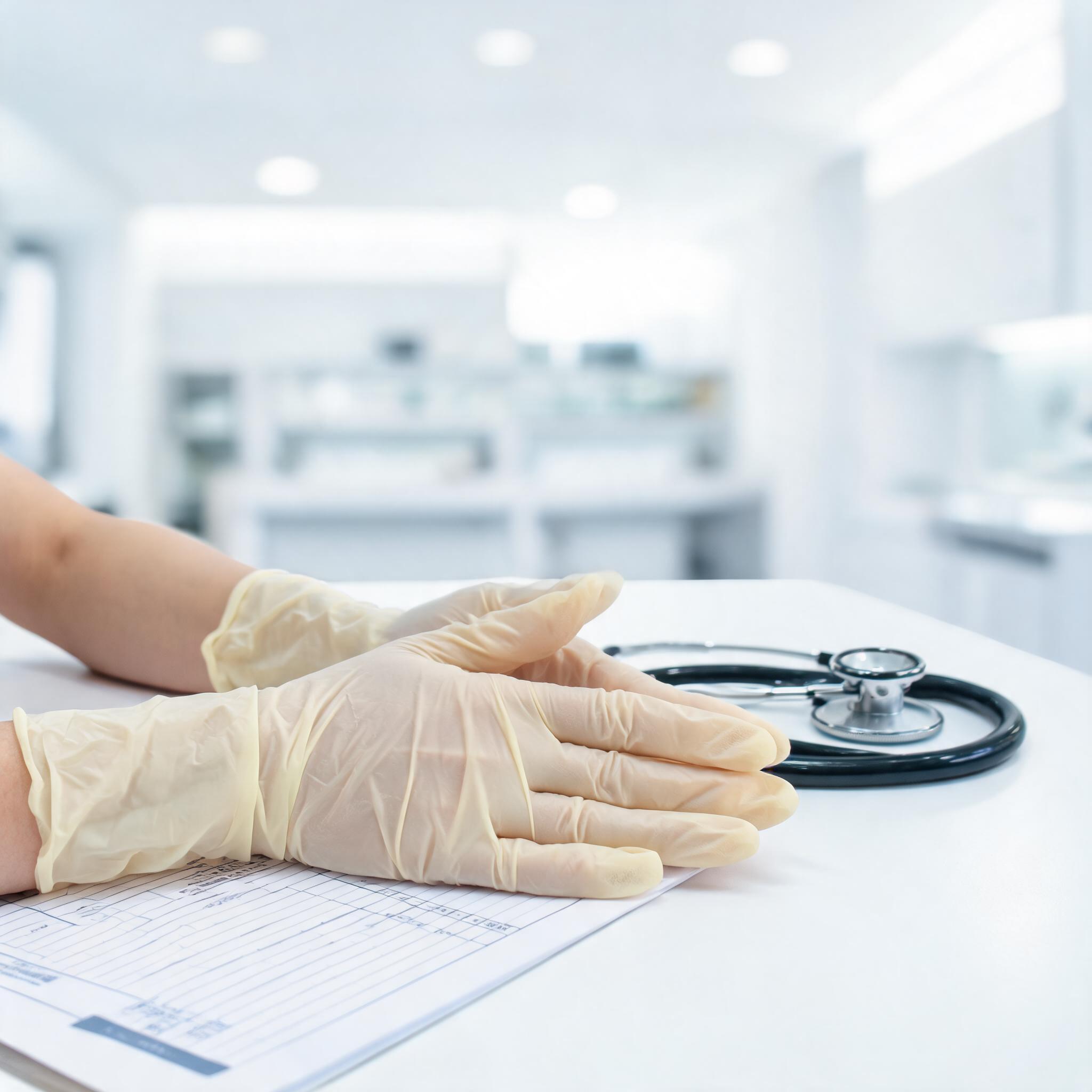
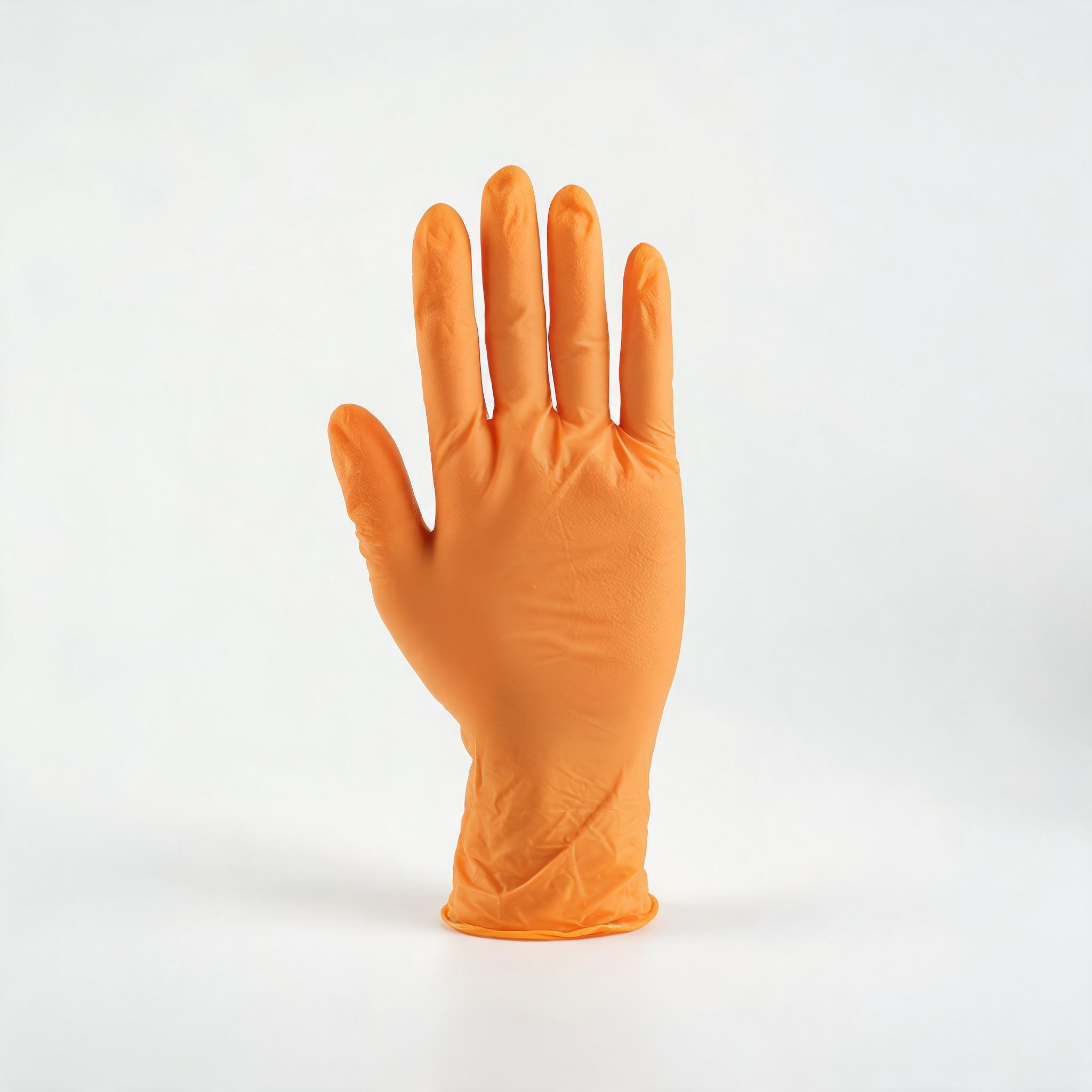
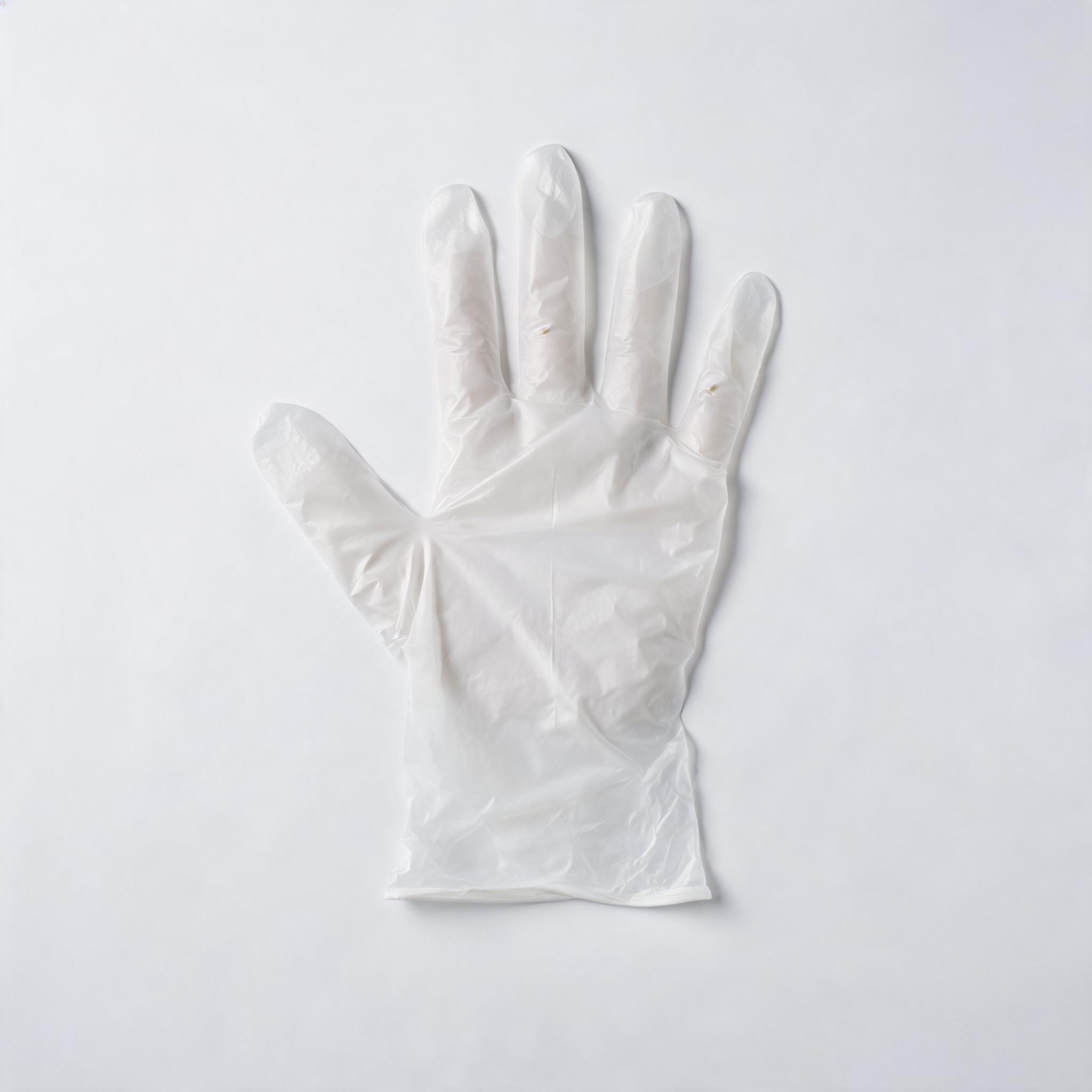
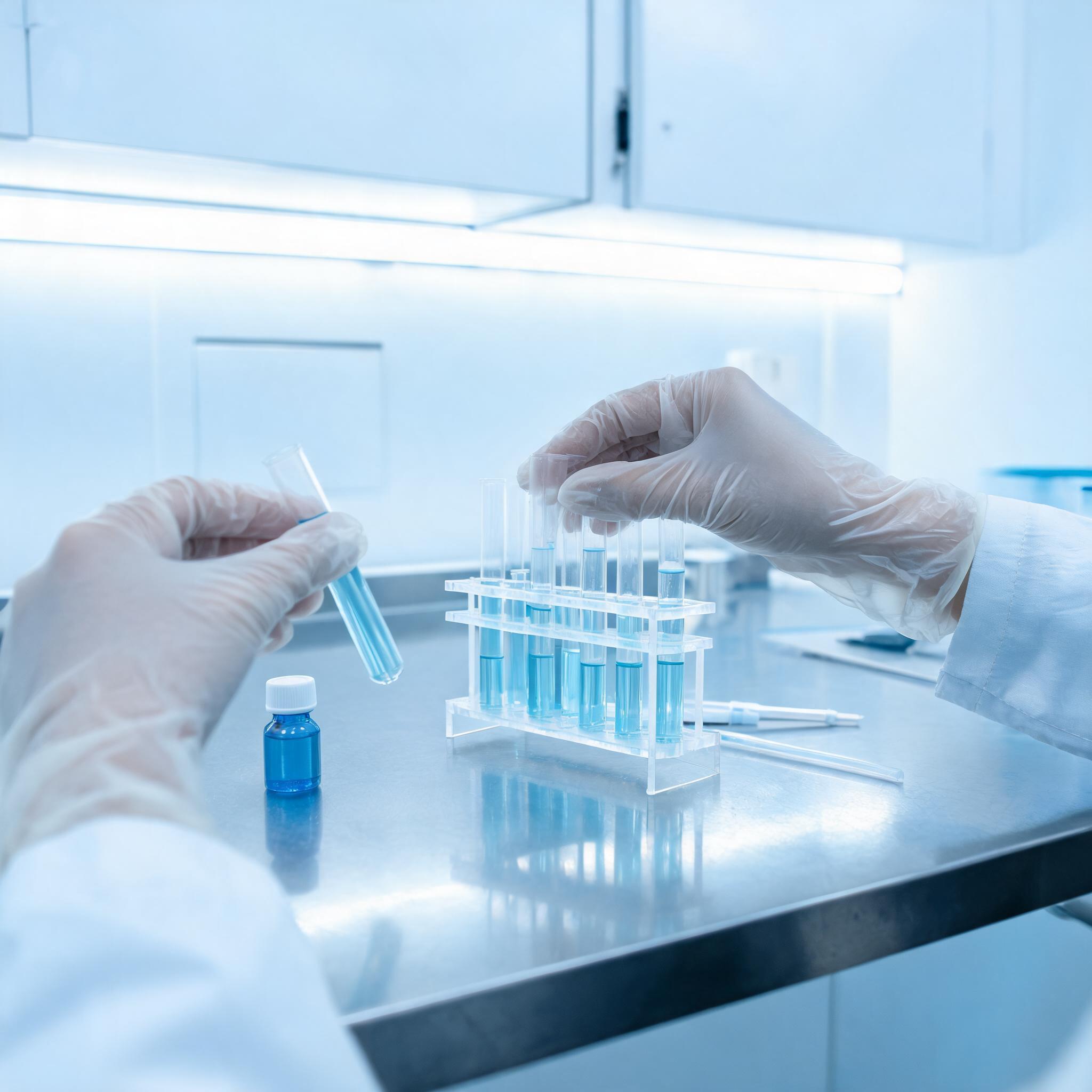
When laboratory managers and research institutions source medical gloves in bulk, autoclave compatibility is a specialized requirement for facilities that sterilize and reuse gloves to reduce waste, manage costs, or comply with biosafety protocols requiring decontamination before disposal. While nitrile examination gloves are designed as single-use disposable items, understanding their behavior under autoclave conditions helps laboratories make informed decisions about decontamination and potential reuse. Justsun manufactures EN 455 certified nitrile examination gloves at our 26,100m² facility in Xiamen, China.
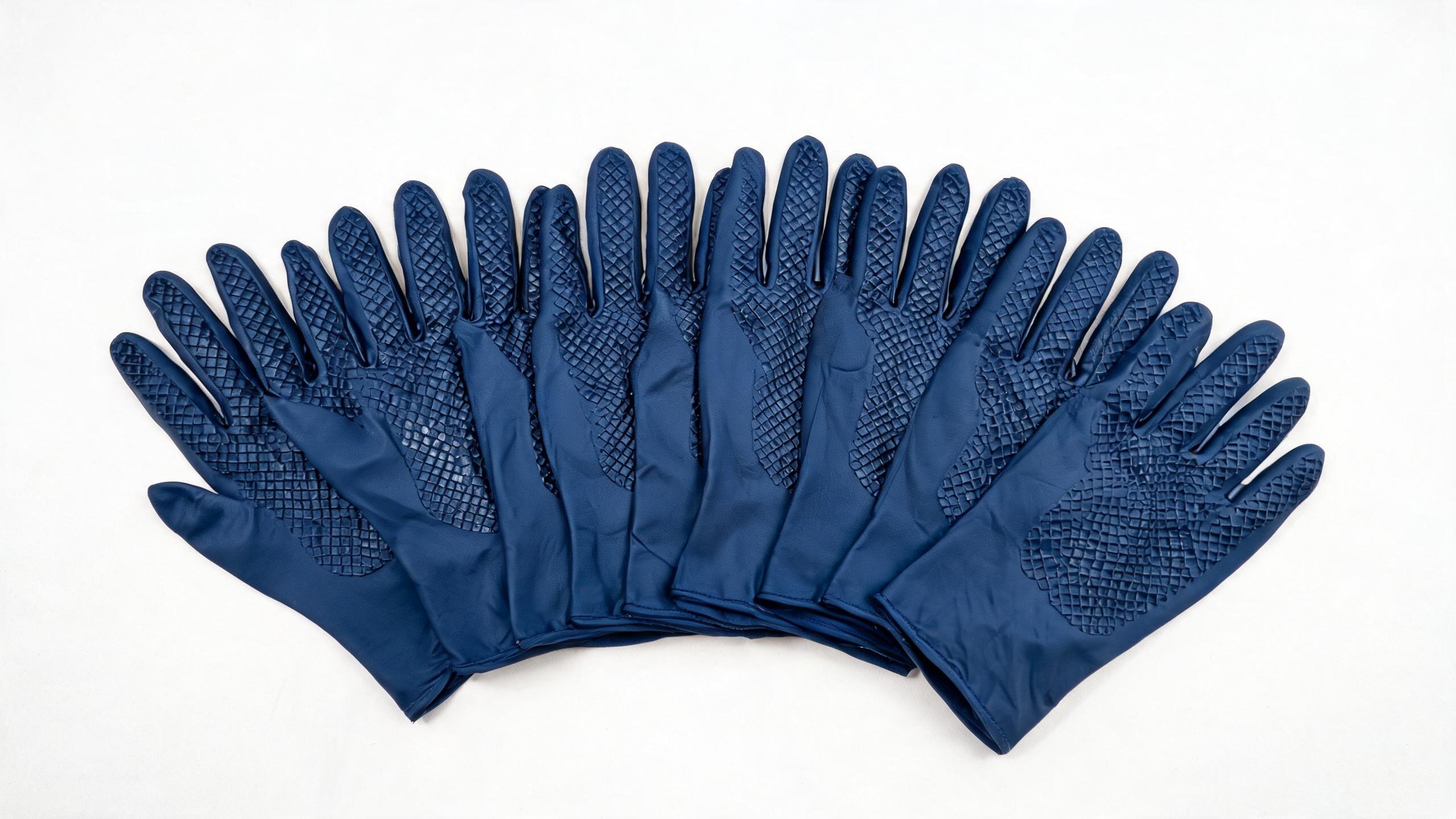
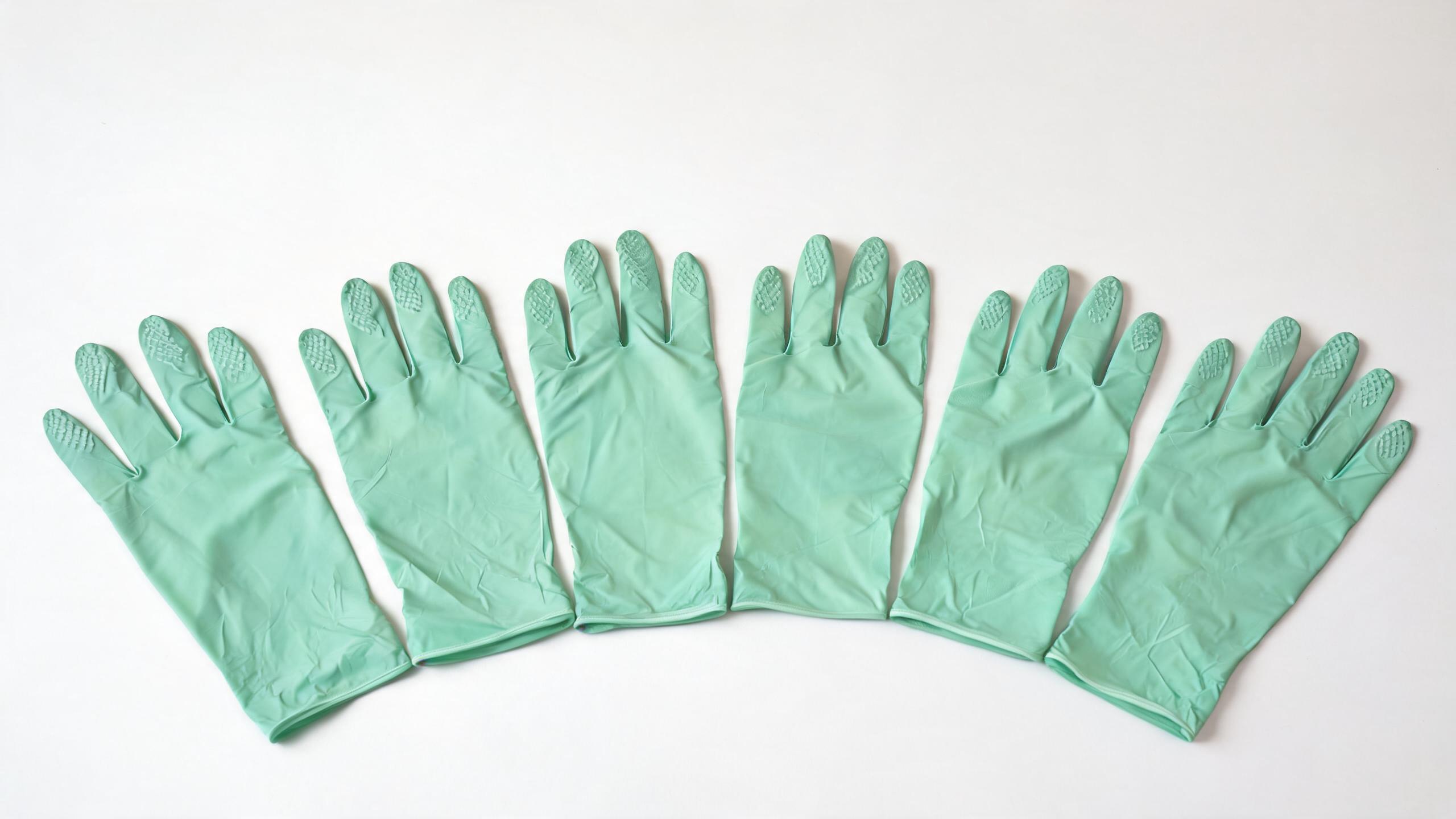
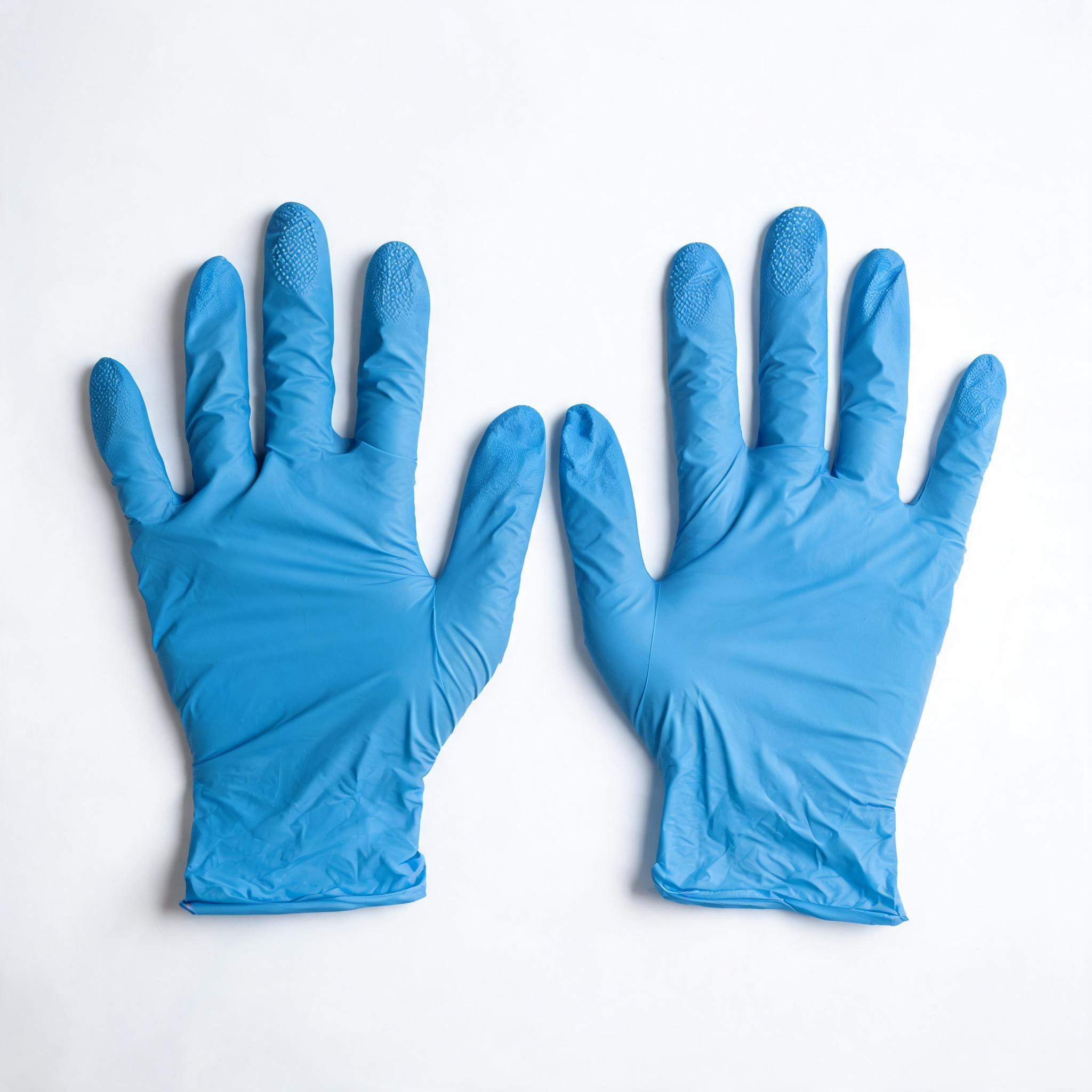
Our Nitrile Gloves Powder-Free Blue are single-use disposable nitrile examination gloves with 0.11mm thickness, AQL 1.5 quality, and EN 455 certification. The Sterile Nitrile Disposable Medical Exam Gloves provide 0.15mm thickness with sterile individually paired packaging. Both are designed for single use; autoclave behavior information below is provided for decontamination purposes, not to imply that autoclaved gloves are safe for reuse as medical devices.
Nitrile gloves respond to autoclave conditions as follows:
| Autoclave Parameter | 121°C / 15 min (Standard) | 134°C / 3 min (Prion) | Effect on Nitrile |
|---|---|---|---|
| Dimensional stability | Stable (minimal shrinkage <2%) | Slight shrinkage (2-5%) | Permanent set after cooling |
| Tensile strength | 10-20% reduction | 20-35% reduction | Additional cross-linking and oxidation |
| Elongation at break | 15-25% reduction | 25-40% reduction | Material becomes less elastic |
| Surface appearance | Slight discoloration (yellowing) | Noticeable yellowing/browning | Thermal oxidation of polymer |
| Barrier integrity | Generally maintained | May be compromised | Post-autoclave testing required |
| Tackiness | Slight increase | Significant increase | Surface softening |
The 121°C/15-minute cycle is the most common autoclave setting for laboratory decontamination. At this temperature, nitrile undergoes additional cross-linking and some thermal oxidation, resulting in reduced tensile strength and elongation. The material remains intact but has measurably degraded compared to pre-autoclave condition.
Decontamination Protocols Using medical gloves in bulk Autoclaving
BSL-2 and BSL-3 laboratories must decontaminate gloves before disposal. Autoclaving is the standard method:
- Pre-autoclave preparation: Place used gloves in autoclave-safe biohazard bags. Do not seal bags completely - leave a small opening for steam penetration. Place bags in autoclave-safe pans to contain any leakage. Do not overload the autoclave chamber; ensure adequate steam circulation around bags.
- Autoclave cycle: Run standard gravity cycle at 121°C for 15-20 minutes. For biological safety, verify that the autoclave biological indicator (Geobacillus stearothermophilus) shows complete kill. Record cycle parameters (temperature, pressure, time) for decontamination documentation.
- Cooling and removal: Allow autoclave to complete the dry cycle (10-15 minutes). Remove bags using heat-resistant gloves. Inspect for any bag breaches or leakage. Decontaminated gloves can now be disposed of as non-infectious medical waste.
- Documentation: Record decontamination cycle in autoclave log including: date, cycle parameters, biological indicator result, operator name, and waste description. This documentation satisfies BSL-2/BSL-3 biosafety compliance requirements.
This protocol is for decontamination before disposal. It does not imply that autoclaved gloves are safe for reuse as barrier protection.
Can medical gloves in bulk Be Safely Reused After Autoclaving?
The safety and efficacy of reusing autoclaved nitrile gloves depends on the intended application and risk tolerance:
Medical applications (not recommended): Autoclaved nitrile gloves should not be reused for medical examination or surgical applications. The 10-20% reduction in tensile strength and 15-25% reduction in elongation after a single autoclave cycle compromise barrier integrity. Medical applications require gloves meeting full EN 455 specifications, which autoclaved gloves cannot guarantee.
Non-medical laboratory tasks (conditional): For low-risk, non-biohazard tasks (e.g., handling non-hazardous chemicals, general cleaning), autoclaved gloves may provide adequate mechanical protection if they pass visual inspection and manual stretch testing. However, they should not be used for: chemical handling requiring barrier protection, biohazardous material handling, or any application where barrier failure poses a safety risk.
Research and teaching (case-by-case): Some research and teaching laboratories reuse autoclaved gloves for non-critical tasks as a cost-saving and waste-reduction measure. This should be governed by a written institutional policy with clear criteria for: maximum reuse cycles (typically 1), acceptable tasks, inspection procedures, and disposal triggers.
| Property | Pre-Autoclave | 1x Autoclave (121°C/15min) | 2x Autoclave | EN 455 Minimum |
|---|---|---|---|---|
| Tensile strength (MPa) | 18-25 | 14-20 | 10-16 | ≥14 (pre-aging) |
| Elongation (%) | 550-700 | 420-550 | 320-420 | ≥500 |
| Water leak pass rate | >98.5% (AQL 1.5) | 95-98% | 88-93% | AQL 1.5 (>98.5%) |
After a single autoclave cycle, many gloves still meet the EN 455 minimum tensile strength requirement (≥14 MPa) but fall below the elongation requirement (≥500%). After two cycles, both properties are significantly below requirements. This data supports limiting reuse to a maximum of one autoclave cycle for non-critical applications only.
Alternative Decontamination Methods for medical gloves in bulk
Beyond autoclaving, laboratories use other decontamination methods for disposable gloves:
- Chemical disinfection: Spraying or wiping gloves with 70% ethanol, 10% bleach, or commercial disinfectants during use. This provides surface decontamination but does not sterilize. Suitable for extending glove use within a single work session. Chemical exposure may degrade nitrile over time - limit to 2-3 disinfection cycles per glove.
- UV-C irradiation: UV-C light (254nm) decontaminates glove surfaces by damaging microbial DNA. Effective for surface decontamination but does not penetrate into crevices or beneath contamination layers. UV-C exposure degrades nitrile polymer, causing embrittlement after extended exposure (>60 minutes cumulative).
- Ozone treatment: Ozone gas decontaminates enclosed spaces including glove surfaces. Effective against bacteria and viruses. Ozone aggressively attacks nitrile polymer, causing rapid degradation. Not recommended for gloves intended for any subsequent use.
- Gamma irradiation: Used for initial sterilization of sterile gloves. Can be applied for post-use decontamination but causes cumulative material degradation. Each gamma cycle reduces tensile strength by 10-15%.
Chemical Compatibility of medical gloves in bulk with Common Laboratory Chemicals
Nitrile gloves provide chemical resistance against many common laboratory chemicals. Understanding permeation breakthrough times helps laboratories select appropriate gloves:
| Chemical | Concentration | Breakthrough Time (min) | Suitability |
|---|---|---|---|
| Acetone | 100% | <5 | Not recommended |
| Ethanol | 70% | 30-60 | Suitable for splash contact |
| Isopropanol | 70% | 30-60 | Suitable for splash contact |
| Methanol | 100% | 10-20 | Limited use only |
| Formaldehyde | 37% | 60-120 | Suitable |
| Hydrochloric acid | 37% | 30-60 | Suitable for splash contact |
| Sodium hydroxide | 40% | 60-120 | Suitable |
| Dimethyl sulfoxide (DMSO) | 100% | <10 | Not recommended |
Breakthrough times are for 0.11mm nitrile gloves. Thicker gloves (0.15mm+) provide longer breakthrough times. For chemicals with breakthrough times <30 minutes, use double-gloving or specialized chemical-resistant gloves.
Biosafety Level Requirements for medical gloves in bulk in Laboratories
Different biosafety levels have different glove requirements and decontamination protocols:
BSL-1 (low risk): Standard nitrile examination gloves are adequate. No special decontamination required before disposal. Gloves can be disposed of in standard waste.
BSL-2 (moderate risk): Nitrile gloves required when handling potentially infectious materials. Decontaminate gloves with 70% ethanol before removal. Dispose of in biohazard waste. Autoclave decontamination recommended before disposal for heavily contaminated gloves.
BSL-3 (high risk): Double-gloving with nitrile gloves required. Outer gloves decontaminated with disinfectant before removal. All gloves autoclaved before disposal. Strict documentation of decontamination cycles. Justsun's nitrile gloves can serve as inner or outer gloves in BSL-3 double-gloving protocols.
BSL-4 (maximum risk): Full protective suit with integrated gloves. Disposable nitrile gloves worn inside suit gloves. All PPE decontaminated through chemical shower before removal from laboratory. Nitrile examination gloves are not the primary barrier but are worn as additional inner protection.
Cost and Waste Management Considerations for medical gloves in bulk in Laboratories
Laboratory glove consumption and disposal represent significant operational costs:
- Consumption estimation: A typical research laboratory with 20 researchers uses 200-500 gloves per day. At $0.05-0.10 per glove, annual glove cost: $3,600-$18,000. Bulk purchasing from manufacturers like Justsun reduces per-unit cost by 30-50% vs. distributor pricing.
- Autoclave cost per cycle: An autoclave cycle costs $5-15 in energy, water, and labor. Decontaminating one biohazard bag of gloves (approximately 200 gloves) costs $0.03-0.08 per glove in autoclave expenses. Factor this into total cost of ownership.
- Waste disposal costs: Biohazard waste disposal costs $0.50-2.00 per pound. Non-hazardous waste (post-autoclave) costs $0.05-0.20 per pound. Autoclaving before disposal reduces waste disposal costs by 75-90% for biohazard-contaminated gloves.
- Environmental impact: Nitrile gloves are not biodegradable and cannot be recycled after biohazard use. Laboratories increasingly seek to reduce glove waste through: right-sizing orders to minimize expired stock, using appropriate (not over-specified) gloves for low-risk tasks, and implementing glove change protocols that balance safety with waste reduction.
- Bulk purchasing: Justsun offers factory-direct pricing for laboratory glove supply. Standard MOQ: 1 carton (1,000 pieces). Bulk pricing applies at 100+ carton orders. Contact us for laboratory supply pricing and recurring delivery options.
Frequently Asked Questions About medical gloves in bulk
Can your nitrile gloves be autoclaved?
Our nitrile gloves are designed as single-use disposable items. They can withstand 121°C/15min autoclave cycles for decontamination before disposal. Autoclaving reduces tensile strength by 10-20% and elongation by 15-25%. Autoclaved gloves should not be reused for medical applications.
Is it safe to reuse autoclaved nitrile gloves?
Autoclaved nitrile gloves are not recommended for reuse in medical or biohazard applications. For low-risk, non-hazardous laboratory tasks, conditional reuse may be acceptable under a written institutional policy with inspection procedures. Maximum one autoclave cycle for any reuse.
What happens to nitrile gloves at 134°C autoclave temperature?
At 134°C (prion cycle), nitrile experiences 20-35% tensile strength reduction, 25-40% elongation reduction, noticeable discoloration, and increased tackiness. Barrier integrity may be compromised. The 134°C cycle is more aggressive than standard 121°C and causes significant material degradation.
Are your gloves compatible with common laboratory chemicals?
Our 0.11mm nitrile gloves provide good resistance to ethanol, isopropanol, formaldehyde, dilute acids, and dilute bases (breakthrough >30 minutes). They are not recommended for acetone, DMSO, or methanol (breakthrough <10 minutes). For aggressive chemicals, use thicker gloves or specialized chemical-resistant gloves.
What biosafety level are your gloves suitable for?
Our nitrile examination gloves are suitable for BSL-1 and BSL-2 laboratories. For BSL-3, use as part of a double-gloving protocol. For BSL-4, wear as inner gloves within a positive-pressure suit system. Follow your institution's biosafety committee guidelines for glove selection.
How should biohazard-contaminated gloves be disposed of?
For BSL-2 and above, decontaminate gloves by autoclaving (121°C/15min) before disposal as non-infectious waste. For BSL-1, dispose of in standard laboratory waste. Follow your institution's biosafety waste management plan. Autoclaving reduces disposal costs by 75-90%.
Can UV-C be used to decontaminate your gloves?
UV-C (254nm) provides surface decontamination of nitrile gloves but does not penetrate crevices or contamination layers. UV-C exposure degrades nitrile polymer, causing embrittlement after >60 minutes cumulative exposure. UV-C is supplementary to, not a replacement for, autoclave decontamination.
What is your MOQ for laboratory glove supply?
Standard MOQ is 1 carton (1,000 pieces). We offer factory-direct pricing for laboratory supply. Bulk pricing applies at 100+ carton orders. Contact us for recurring delivery options and laboratory supply pricing.