

nitrile exam gloves manufacturer: Surface Texture Technology and Grip Performance
When industrial buyers, food processors, and medical facilities source nitrile exam gloves manufacturer, grip performance under various conditions - dry, wet, oily, and chemical-exposed - is a critical functional specification that directly impacts worker safety and task efficiency. Textured nitrile gloves provide enhanced surface friction through engineered micro-patterns on the glove surface. Justsun manufactures EN 455 certified nitrile examination gloves at our 26,100m² facility in Xiamen, China.
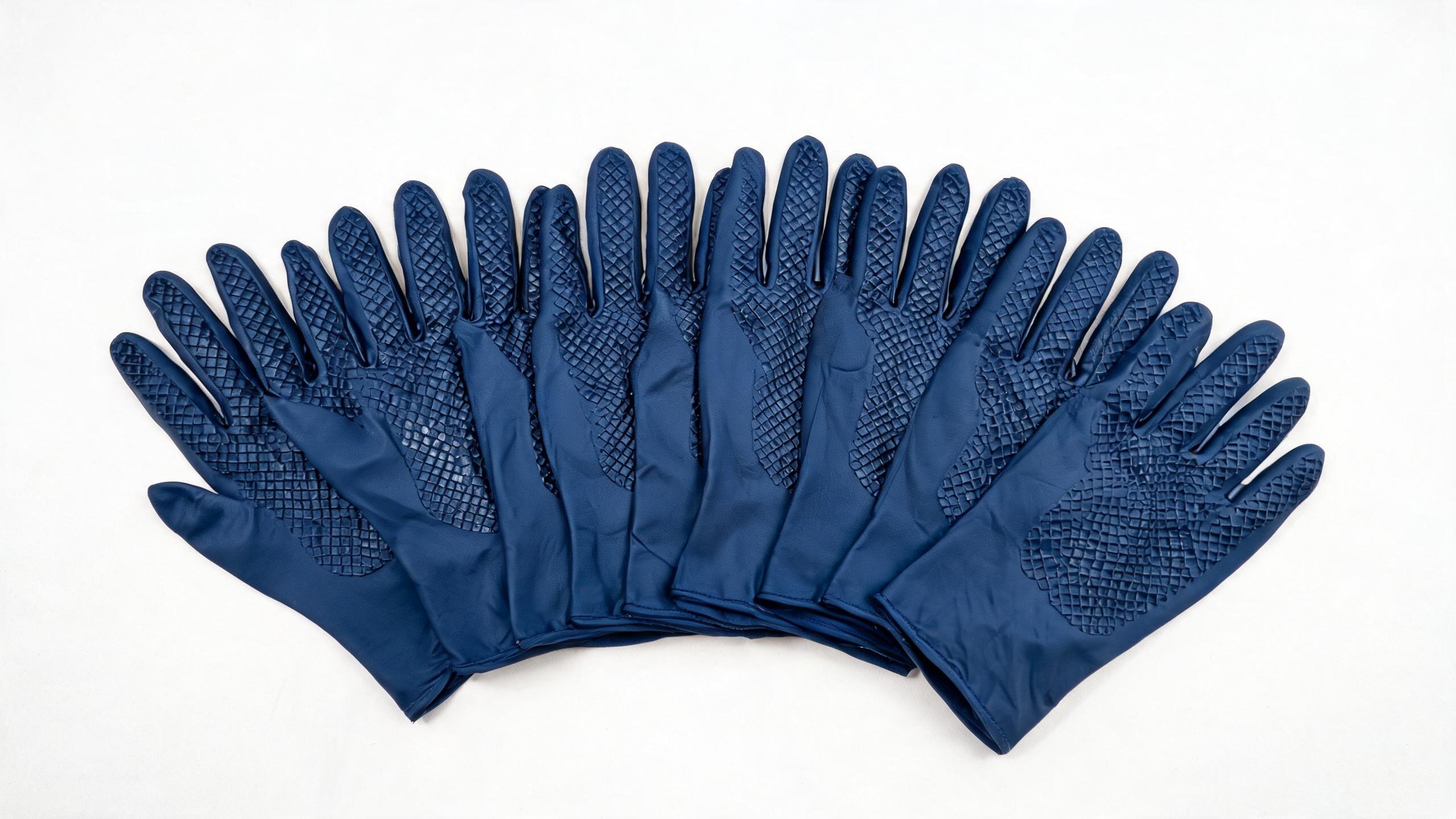
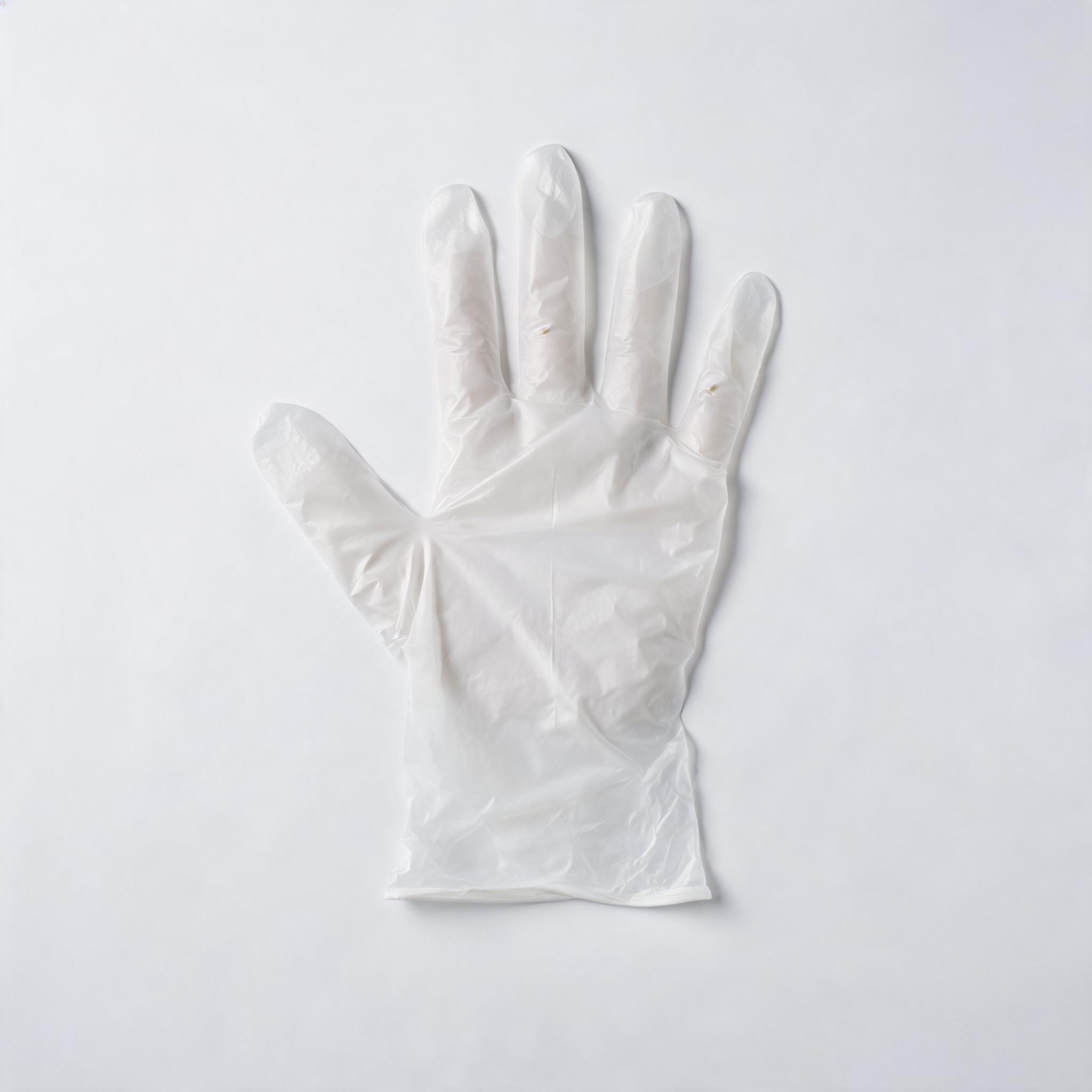
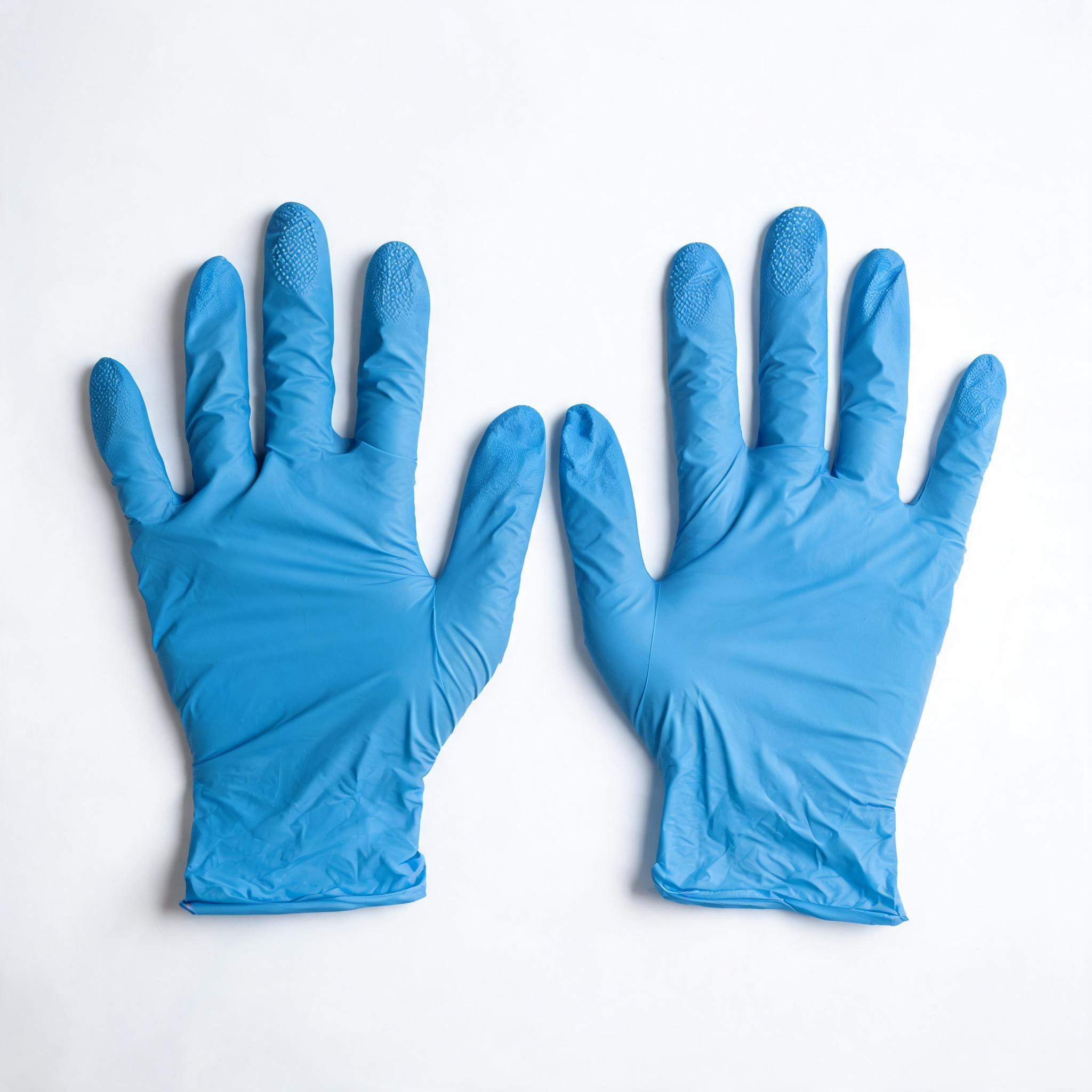
Our Nitrile Gloves Powder-Free Blue feature a powder-free textured surface providing superior grip in clinical and laboratory settings. With 0.11mm thickness, AQL 1.5 quality, and EN 455 certification, these gloves are suitable for applications requiring secure handling of instruments and samples. The Sterile Nitrile Disposable Medical Exam Gloves offer a powder-free dermatoglyphic (textured) surface for surgical grip performance.
Texture types and their performance characteristics differ significantly:
| Texture Type | Pattern Description | Dry Grip | Wet Grip | Oily Grip | Typical Application |
|---|---|---|---|---|---|
| Smooth | No texture | Fair | Poor | Very poor | Cleanroom, minimal handling |
| Fingertip-textured | Texture on fingertips only | Good | Good | Fair | Medical examination, dental |
| Full-textured | Texture across palm and fingers | Excellent | Good | Good | Industrial, laboratory, food processing |
| Dermatoglyphic | Fingerprint-mimicking pattern | Excellent | Excellent | Good | Surgical, precision handling |
| Embossed/diamond | Raised diamond pattern | Very good | Excellent | Excellent | Oily environments, mechanical |
The texture pattern is created during manufacturing through former surface design. Ceramic or metal formers can be etched or engraved with micro-patterns that transfer to the glove surface during the dipping process. The depth, spacing, and pattern geometry of the texture determine grip performance across different surface conditions.
How nitrile exam gloves manufacturer Grip Performance is Tested and Measured
Grip performance can be quantified through standardized friction testing:
Static friction coefficient: Measured by placing a weighted gloved hand on a test surface and gradually increasing the angle until sliding occurs. The tangent of the angle equals the static friction coefficient. Higher values indicate better grip. Test surfaces include: stainless steel (simulating medical instruments), glass (laboratory), and polypropylene (packaging).
Dynamic friction coefficient: Measured during continuous sliding contact using a tribometer. This represents grip performance during manipulation tasks. Dynamic friction is typically 15-30% lower than static friction for the same surface combination.
| Surface Condition | Smooth Nitrile (μs) | Fingertip-Textured (μs) | Full-Textured (μs) | Dermatoglyphic (μs) |
|---|---|---|---|---|
| Dry stainless steel | 0.35-0.45 | 0.55-0.70 | 0.65-0.80 | 0.70-0.85 |
| Wet stainless steel | 0.15-0.25 | 0.30-0.45 | 0.40-0.55 | 0.45-0.60 |
| Oily stainless steel | 0.08-0.15 | 0.15-0.25 | 0.25-0.35 | 0.20-0.30 |
| Dry glass | 0.30-0.40 | 0.45-0.60 | 0.55-0.70 | 0.60-0.75 |
Buyers should specify required grip performance based on their primary application surface and contamination condition. For applications involving wet instruments, full-textured or dermatoglyphic gloves provide significantly better grip than smooth or fingertip-textured alternatives.
Selecting nitrile exam gloves manufacturer for Industry-Specific Grip Requirements
Different industries have distinct grip performance requirements:
Medical and surgical: Requires secure grip on stainless steel instruments (scissors, forceps, needle holders) under wet conditions (blood, saline, irrigation fluid). Dermatoglyphic texture mimics fingerprint patterns for natural grip. Justsun's sterile gloves feature dermatoglyphic surface for surgical instrument handling.
Food processing: Requires grip on wet, oily, and frozen food surfaces. Fish, poultry, and meat processing involve persistent oil and moisture. Full-textured or embossed diamond pattern gloves provide optimal grip. Blue nitrile color provides visual contrast with food products for contamination detection.
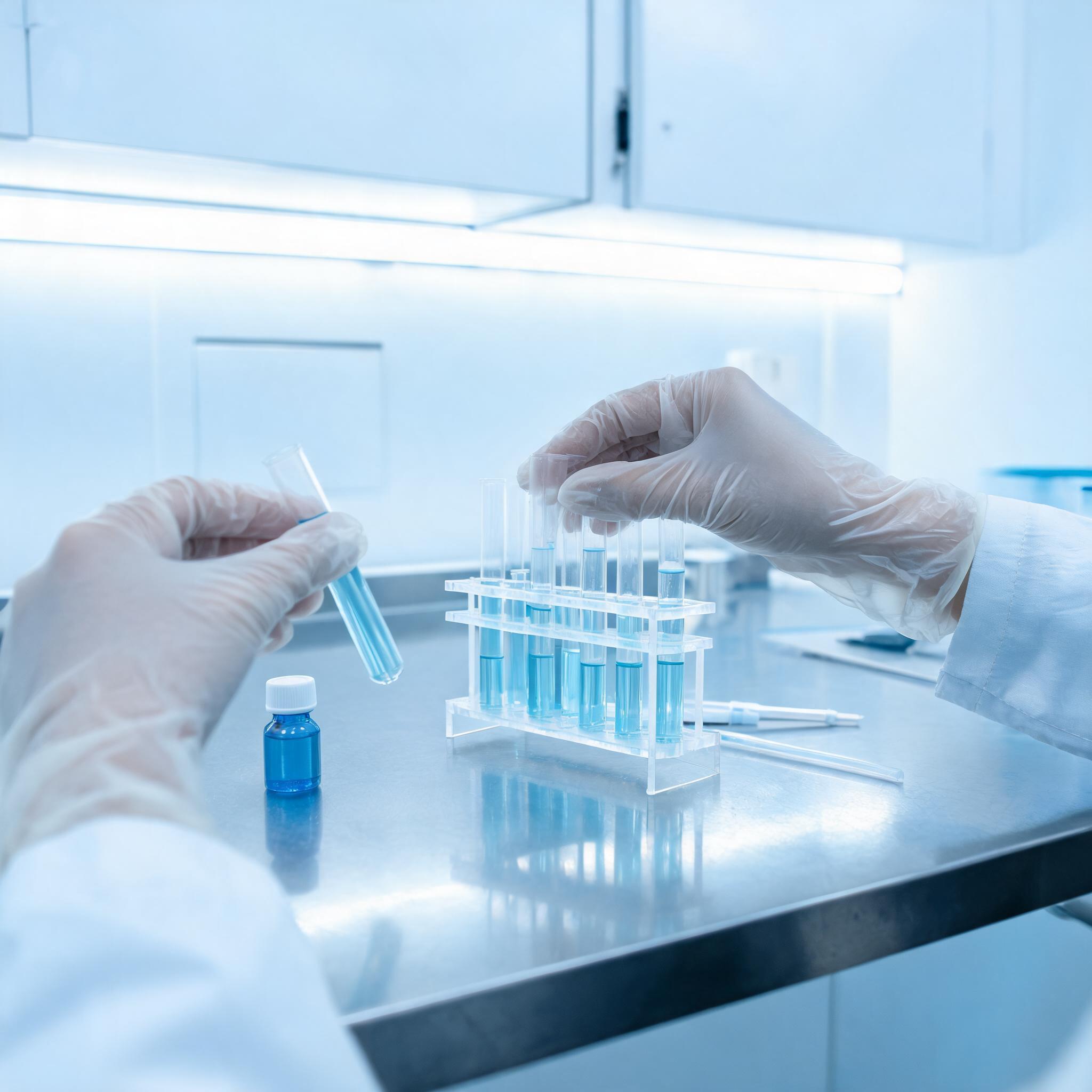
Laboratory and pharmaceutical: Requires grip on glassware (test tubes, beakers, vials) and precision instruments. Fingertip-textured gloves balance grip with tactile sensitivity. Smooth palm area allows for fine manipulation without texture interference.
Automotive and mechanical: Requires grip on metal parts, tools, and components contaminated with oil and grease. Embossed diamond pattern provides maximum grip in oily conditions. Thicker gloves (6-8 mil) offer both grip and mechanical protection.
Electronics assembly: Requires gentle grip on delicate components without surface damage. Fingertip-textured gloves provide controlled grip for component placement while avoiding excessive friction on sensitive surfaces. ESD-compatible nitrile prevents static damage.
Manufacturing Process for nitrile exam gloves manufacturer Surface Texture
Understanding the texture manufacturing process helps buyers evaluate glove quality and consistency:
- Former preparation: Ceramic or metal formers are etched or engraved with the desired micro-pattern. The pattern depth (typically 0.05-0.15mm) and spacing (0.2-0.5mm) determine texture characteristics. Former pattern quality directly impacts texture consistency.
- Coagulant dipping: The former is dipped in coagulant (calcium nitrate) which causes the nitrile polymer to coagulate on the former surface. The coagulant fills the texture pattern, ensuring pattern transfer to the glove surface.
- Polymer dipping: The coagulant-coated former is dipped into the nitrile compound. The polymer forms around the texture pattern, creating raised micro-patterns on the glove surface.
- Leaching and curing: Water leaching removes residual chemicals. Curing at 130-150°C cross-links the polymer. The texture pattern is permanently set during vulcanization.
- Chlorination (powder-free): For powder-free gloves, chlorination modifies the surface chemistry slightly. Excessive chlorination can reduce texture prominence by 5-10%. Controlled chlorination preserves texture effectiveness.
- Stripping: Gloves are removed from formers. The inner surface (touching the former) is smooth; the outer surface carries the texture pattern. This is why textured gloves provide grip on the outside while remaining easy to don on the inside.
Texture Quality Issues to Watch For
Inconsistent texture depth: If former etching is uneven, texture depth varies across the glove surface. This creates grip performance variations between gloves in the same box. Request sample inspection for texture consistency.
Texture wear-off: In low-quality gloves, texture can wear off during use as the surface polymer layer degrades. This is more common in thin (3-4 mil) gloves. Thicker gloves (5+ mil) maintain texture integrity longer.
Excessive texture: Overly deep texture can reduce tactile sensitivity and cause discomfort during extended wear. Balance grip performance with dexterity requirements for your application.
Color and Visibility Considerations for nitrile exam gloves manufacturer
Glove color affects both visibility and functional performance in textured applications:
| Color | Visibility Application | Industry Standard | Best Use Case |
|---|---|---|---|
| Blue | High contrast with food and skin | Medical examination, food processing | Universal use, contamination detection |
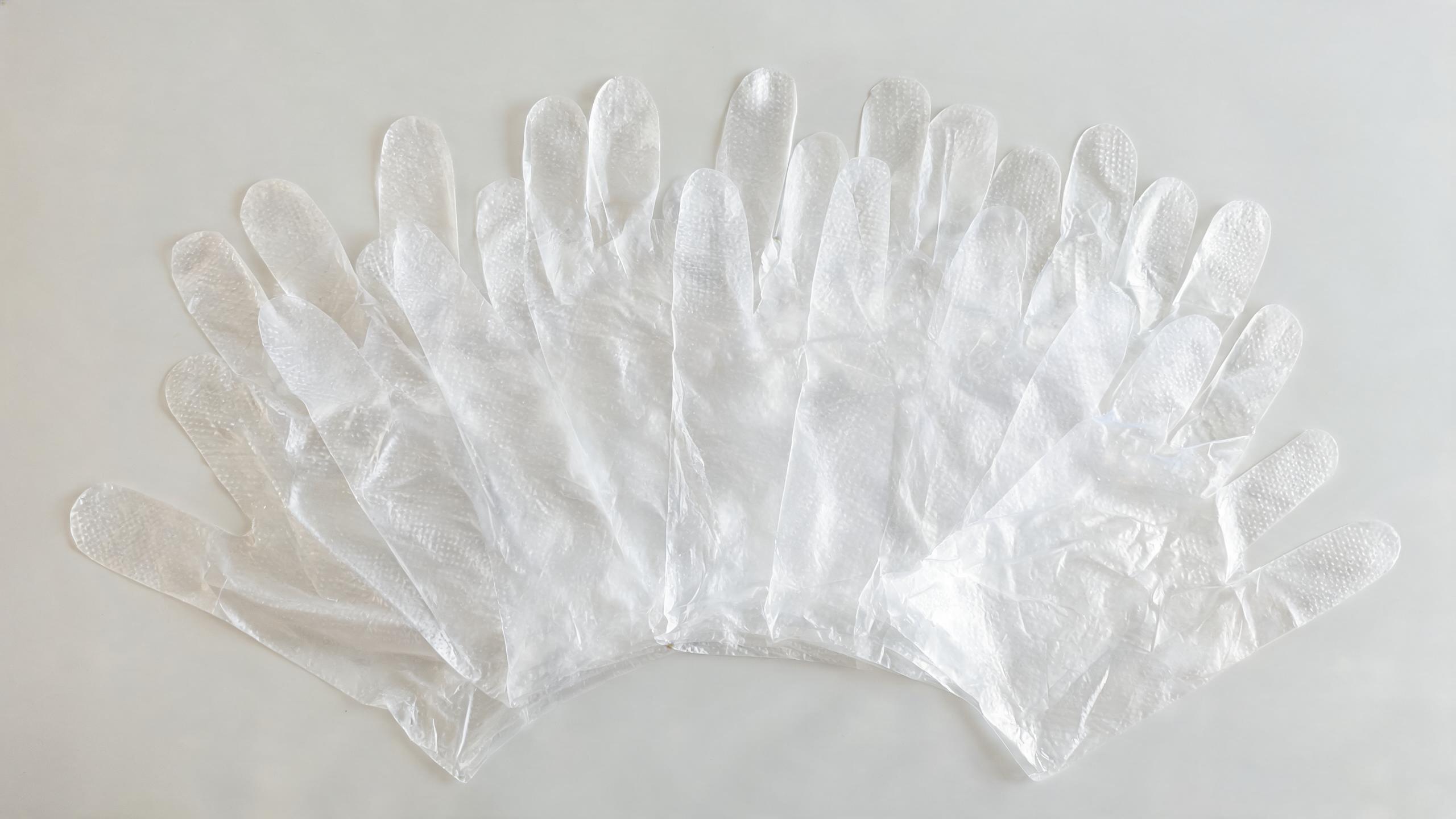
| White | Shows contamination clearly | Cleanroom, pharmaceutical | Visible soil detection |
| Black | Hides stains, professional appearance | Automotive, industrial, tattoo | Oily environments, automotive |
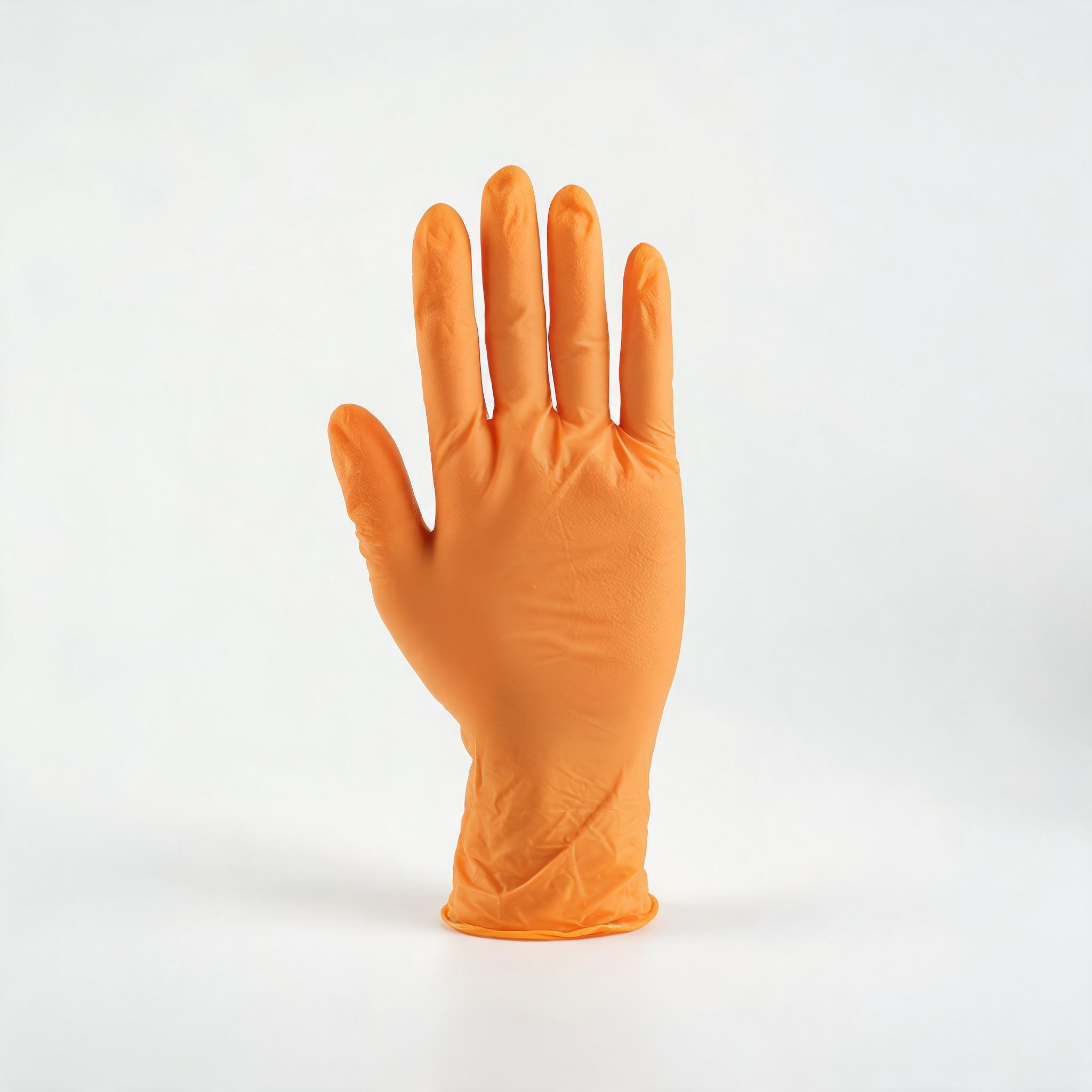
| Orange | High visibility for safety compliance | Industrial safety, mechanical | Worker identification, safety zones |
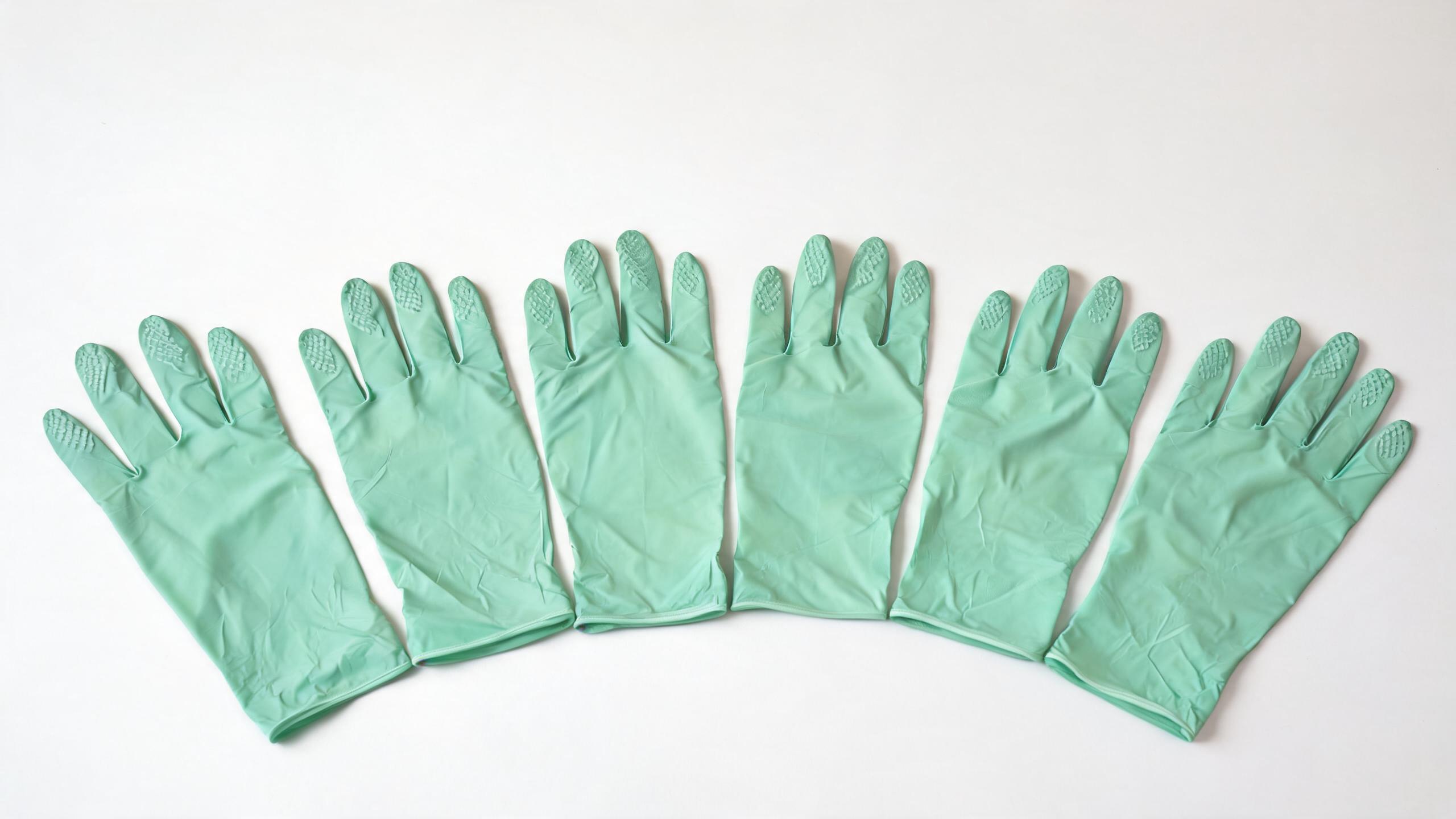
| Green | Color-coding for task separation | Food processing (HACCP) | Preventing cross-contamination |
Blue nitrile (like our standard powder-free gloves) is the most versatile color, providing visual contrast with food products (contamination detection), skin tones (identifying glove fragments), and most workplace surfaces. For HACCP color-coding systems in food processing, Justsun offers custom colors for OEM orders (500+ cartons).
Cost Optimization for nitrile exam gloves manufacturer Across Grip Levels
Matching grip level to application requirements prevents both under-specification (safety risk) and over-specification (cost waste):
- Smooth gloves (lowest cost): Adequate for cleanroom, minimal handling, and short-duration tasks where grip is not critical. Cost savings: 10-15% vs. textured.
- Fingertip-textured (moderate cost): Best value for medical examination and general healthcare. Provides grip where needed (fingertips) without premium for full-texture. Most standard nitrile exam gloves use this pattern.
- Full-textured (moderate-high cost): Recommended for food processing, laboratory, and industrial applications requiring consistent grip across the entire hand. Cost premium: 5-10% vs. fingertip-textured.
- Dermatoglyphic (high cost): Justified for surgical and precision handling applications where grip directly impacts procedural safety. Our sterile gloves feature dermatoglyphic texture as standard.
- Embossed diamond (highest cost): Reserved for heavy-duty oily environments where maximum grip is essential for worker safety. Typically available in thicker (6-8 mil) industrial-grade gloves.
Justsun's standard nitrile examination gloves feature textured fingertips for medical and general use. For applications requiring full-texture or specialized patterns, contact us to discuss available options and OEM customization.
Frequently Asked Questions About nitrile exam gloves manufacturer
What texture pattern do your standard nitrile gloves have?
Our Nitrile Gloves Powder-Free Blue feature a textured surface with micro-pattern for enhanced grip in clinical and laboratory settings. Our sterile gloves feature a dermatoglyphic (fingerprint-mimicking) pattern for surgical instrument grip. Contact us for specific texture pattern details.
How does grip performance compare between nitrile and latex?
Textured nitrile and textured latex provide similar grip performance on dry surfaces. On wet surfaces, nitrile typically maintains grip better due to its hydrophobic properties. Latex may become slippery when wet unless heavily textured.
Can you provide grip friction coefficient data?
We can coordinate friction coefficient testing through third-party laboratories. Testing measures static and dynamic friction on standard surfaces (stainless steel, glass, polypropylene) under dry, wet, and oily conditions. Contact us for testing coordination.
Do you offer full-textured gloves for food processing?
Our standard nitrile gloves feature textured surface suitable for food handling. For full-textured or embossed diamond patterns for heavy-duty food processing, contact us to discuss OEM options. Blue color provides visual contrast for food safety compliance.
Does chlorination affect grip texture?
Controlled chlorination for powder-free treatment may reduce texture prominence by 5-10%. Our chlorination process is optimized to preserve texture effectiveness. If grip is critical, request sample evaluation to verify texture performance meets your requirements.
What glove color do you recommend for food processing?
Blue is the industry standard for food processing as it provides high visual contrast with food products, enabling easy detection of glove fragments. For HACCP color-coding systems, we offer custom colors (green, white, orange) for OEM orders of 500+ cartons.
How long does texture last during use?
Texture integrity depends on glove thickness and use conditions. Our 0.11mm nitrile gloves maintain texture for 1-2 hours of normal use. Thicker gloves (0.15mm+) maintain texture longer. In high-wear applications, plan glove changes based on texture degradation schedule.
Can texture thickness be customized?
Texture depth is determined by former design and is generally fixed per product line. For OEM orders (500+ cartons), we can discuss custom former design for specific texture requirements. Contact us with your texture specification for evaluation.