




nitrile gloves medical grade: Physical Property Requirements and Test Methods
When quality engineers and procurement teams evaluate nitrile gloves medical grade, tensile strength and elongation properties are among the most critical physical performance indicators. These properties determine how well gloves resist tearing during donning, maintain barrier integrity during use, and perform under stress in medical and industrial applications. Justsun manufactures EN 455 certified nitrile examination gloves at our 26,100m² facility in Xiamen, China, with tensile strength testing performed on every production batch.
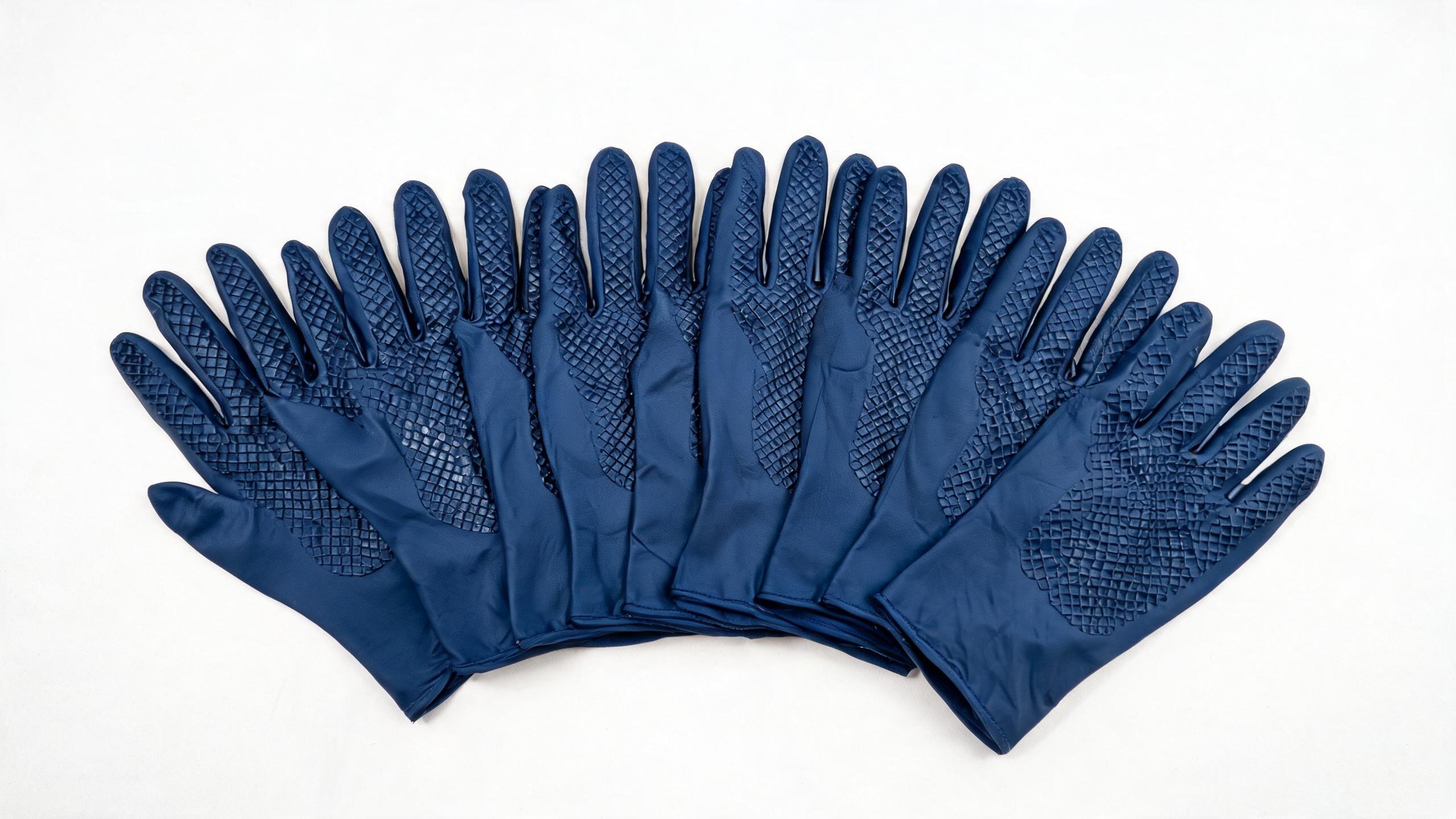
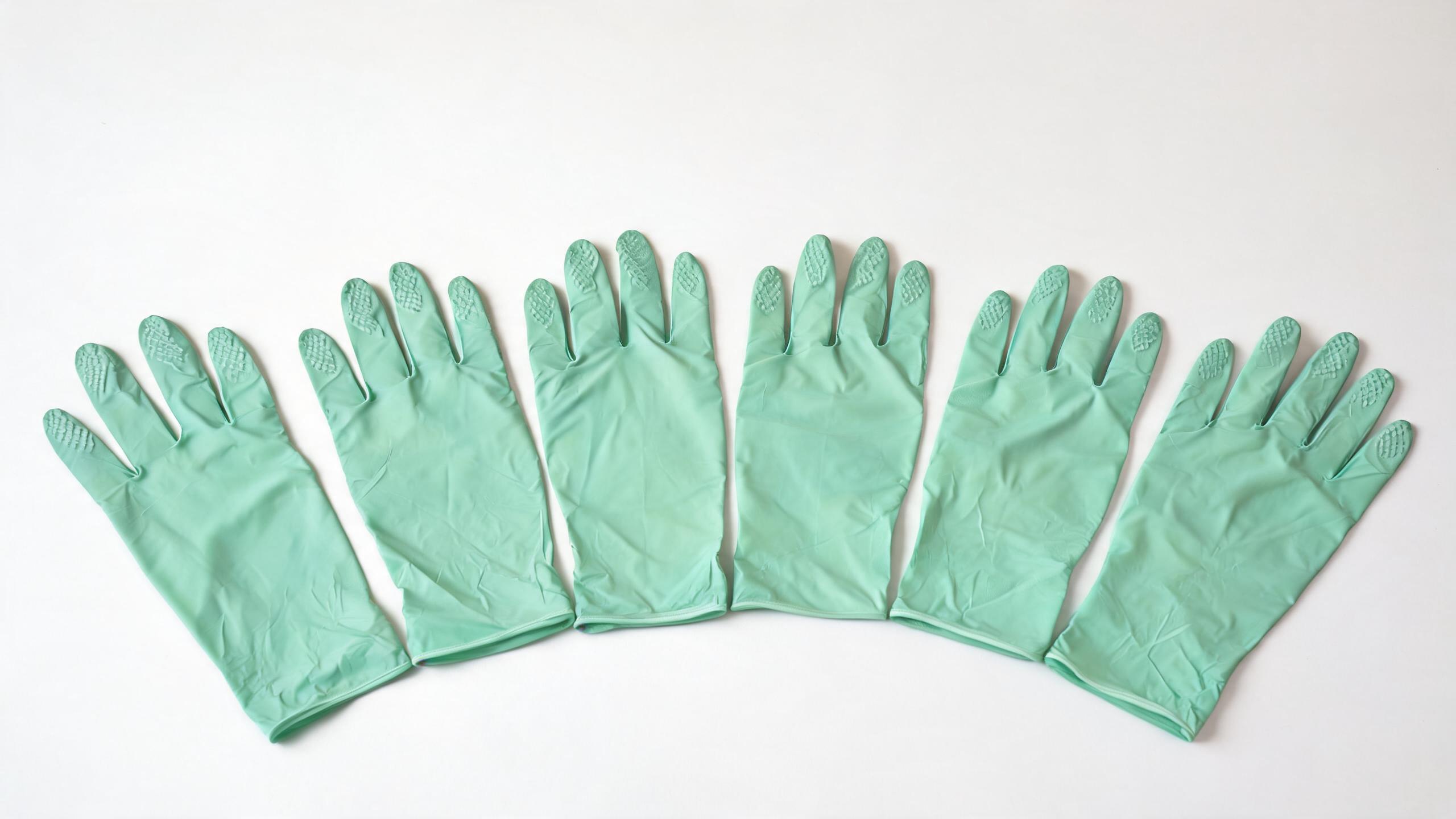
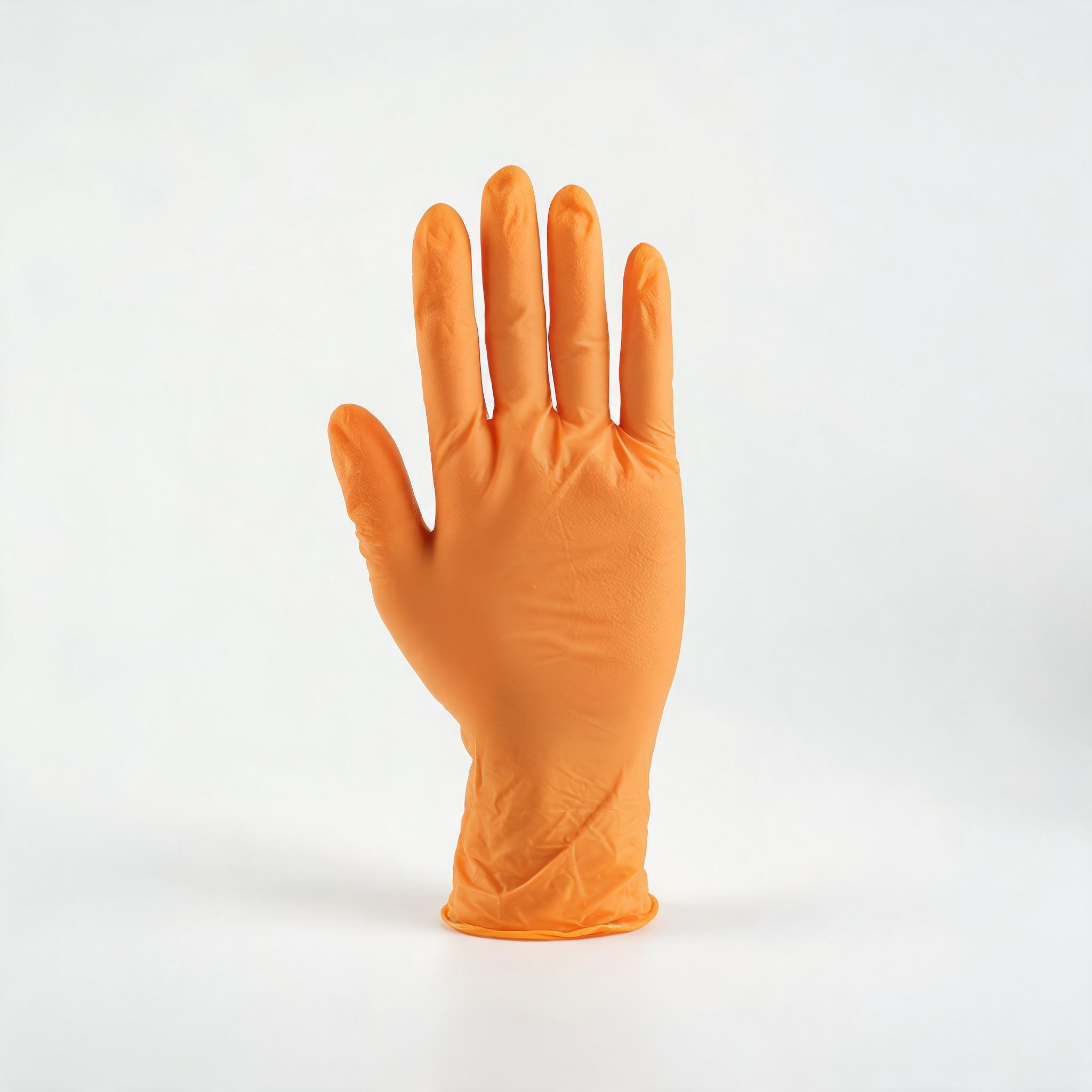
Our Nitrile Gloves Powder-Free Blue are formulated to meet ASTM D6319 requirements for nitrile examination gloves: 100% nitrile polymer, 0.11mm thickness, powder-free surface, and AQL 1.5 medical-grade quality. The Sterile Nitrile Disposable Medical Exam Gloves provide 0.15mm thickness for enhanced physical barrier performance in surgical applications.
The key physical property standards for nitrile examination gloves:
| Property | ASTM D6319 Requirement | EN 455 Part 2 Requirement | Test Method |
|---|---|---|---|
| Tensile strength (before aging) | ≥14 MPa | ≥21 MPa | ASTM D412 / ISO 37 |
| Elongation at break (before aging) | ≥500% | ≥700% | ASTM D412 / ISO 37 |
| Tensile strength (after aging) | ≥14 MPa | ≥16 MPa | ASTM D412 after 70°C/168h |
| Elongation at break (after aging) | ≥400% | ≥500% | ASTM D412 after 70°C/168h |
| Force at break | ≥6 N | Not specified separately | ASTM D412 |
Note that EN 455 generally requires higher tensile strength and elongation values than ASTM D6319. Buyers sourcing for both markets should verify compliance with both standards. The aging test simulates shelf-life degradation by exposing samples to 70°C for 168 hours before retesting.
How Tensile Strength Affects nitrile gloves medical grade Performance in Use
Tensile strength directly impacts glove performance in real-world scenarios:
Donning resistance: Gloves with adequate tensile strength (≥14 MPa) resist tearing when stretched during donning, especially for powder-free gloves that require more force to put on. Low tensile strength leads to donning tears, increasing waste and contamination risk.
Puncture resistance during use: Higher tensile strength correlates with better puncture resistance. Nitrile gloves typically achieve 4-6N puncture force, compared to 2-4N for vinyl. This is critical in medical settings where sharps injuries can compromise the barrier.
Extended wear integrity: During prolonged use (2+ hours), glove material experiences cyclic stress from hand movements. Adequate elongation at break (≥500%) ensures the material stretches without rupturing. Gloves with low elongation may develop micro-cracks that compromise barrier integrity without visible tears.
Aging stability: The post-aging tensile test (70°C/168h) simulates approximately 12-18 months of shelf life. Gloves that lose more than 30% of original tensile strength after aging may not maintain barrier integrity through their claimed shelf life.
Testing Protocols for nitrile gloves medical grade: Batch-Level Quality Control
Justsun's quality control center performs physical property testing on statistical samples from every production batch:
- Sampling plan: Per ISO 2859-1, AQL 1.5 single sampling plan. For a typical batch of 100,000 gloves, 200-315 samples are tested for physical properties.
- Specimen preparation: Dumbbell-shaped specimens are die-cut from the palm area of finished gloves per ASTM D412 Type C die. Specimens are conditioned at 23±2°C and 50±5% relative humidity for 24 hours before testing.
- Tensile testing: Universal testing machine (UTM) pulls specimens at 500mm/min crosshead speed. Record maximum force (tensile strength) and elongation at break. Test 13 specimens per lot; calculate mean and standard deviation.
- Aging simulation: Additional specimens are aged in an oven at 70±2°C for 168±2 hours, then conditioned and tested using the same protocol. Compare pre-aging and post-aging values to verify compliance with minimum requirements.
- Water leak test: Per EN 455 Part 1, 1000ml water is filled into each glove sample. After 2-5 minutes, inspect for leaks. AQL 1.5 acceptance means no more than 15 defective gloves per 1000 tested.
- Documentation: All test results are recorded in batch QC records with lot number, test date, operator, and equipment calibration status. Records are retained for minimum 5 years.
Nitrile Formulation Factors Affecting nitrile gloves medical grade Performance
The tensile strength and elongation of nitrile gloves depend on formulation and processing parameters:
| Factor | Effect on Tensile Strength | Effect on Elongation | Optimization Strategy |
|---|---|---|---|
| Acrylonitrile content (ACN) | Higher ACN = higher strength | Higher ACN = lower elongation | Balance at 30-35% ACN for medical gloves |
| Cross-link density | Higher = stronger but more brittle | Higher = lower elongation | Optimize sulfur/accelerator ratio |
| Curing temperature | Higher = better cross-linking | Excess temperature = degradation | 130-150°C optimal range |
| Thickness | Does not affect strength per area | Slight reduction at higher thickness | 0.10-0.15mm for medical use |
| Chlorination (powder-free) | Slight reduction (2-5%) | Slight reduction (3-8%) | Control chlorination time/concentration |
Understanding these formulation factors helps buyers evaluate supplier capabilities. Suppliers who control ACN content, cross-link density, and chlorination parameters consistently produce gloves meeting both tensile strength and elongation requirements.
Post-Aging Performance: Why It Matters for nitrile gloves medical grade
The accelerated aging test is critical because it predicts how gloves will perform near the end of their shelf life:
- Arrhenius equation: The 70°C/168h aging protocol is based on Arrhenius reaction kinetics, approximately simulating 12-18 months of real-time aging at 25°C. Gloves that pass post-aging requirements are expected to maintain barrier integrity through their claimed shelf life.
- Aging failure modes: Nitrile gloves typically lose 15-25% of original tensile strength after aging. If the loss exceeds 30%, the formulation may be under-cured or the antioxidant package may be insufficient. Request aging data from your supplier to verify formulation stability.
- Real-time aging correlation: Some regulatory bodies request real-time aging data in addition to accelerated aging. Real-time testing involves storing gloves at 25°C and testing at 6, 12, 24, and 36 months. Justsun can provide real-time aging stability data for established product formulations.
- Storage condition impact: Gloves stored at elevated temperatures (35°C+) will age faster than the accelerated test predicts. Warn end users about storage conditions to prevent premature degradation. The relationship is approximately: every 10°C increase halves the shelf life.
Comparing nitrile gloves medical grade Across Material Types
Different glove materials exhibit different physical property profiles:
| Property | Nitrile | Latex | Vinyl (PVC) |
|---|---|---|---|
| Tensile strength (MPa) | 14-25 | 17-30 | 8-14 |
| Elongation at break (%) | 500-700 | 700-900 | 250-400 |
| Aged tensile retention | 75-90% | 70-85% | 60-75% |
| Puncture force (N) | 4-6 | 5-7 | 2-4 |
| Standard | ASTM D6319 | ASTM D3578 | ASTM D5250 |
Nitrile provides the best balance of tensile performance, aging stability, and allergy safety for medical examination applications. Vinyl's lower physical properties make it suitable only for low-risk tasks. Latex offers the highest elongation but carries allergy risk.
How to Request and Interpret nitrile gloves medical grade Test Reports
When requesting physical property test reports from Justsun or any supplier, look for:
- Test standard reference: Report should specify ASTM D6319, EN 455 Part 2, or equivalent standard. Results without a named standard cannot be compared against requirements.
- Pre-aging and post-aging results: Both sets of data must be present. If only pre-aging data is provided, the supplier may be hiding aging performance issues.
- Statistical summary: Mean, standard deviation, and minimum/maximum values from the sampling plan. Single-value results without statistical context may not represent batch quality.
- Test laboratory accreditation: Reports from ISO 17025 accredited laboratories carry more weight. In-house QC data is acceptable for batch release but third-party verification adds confidence.
- Lot traceability: Test reports should reference specific production lots. Verify that the lot on the report matches the lot on received product certificates.
Frequently Asked Questions About nitrile gloves medical grade
What tensile strength do your nitrile gloves achieve?
Our nitrile examination gloves typically achieve 18-25 MPa tensile strength before aging and 15-20 MPa after aging (70°C/168h), exceeding both ASTM D6319 (≥14 MPa) and EN 455 Part 2 (≥21 MPa before aging) requirements. Actual values are recorded in batch QC records available upon request.
What is the elongation at break of your gloves?
Our nitrile gloves typically achieve 550-700% elongation at break before aging and 450-600% after aging, exceeding ASTM D6319 (≥500%) and EN 455 Part 2 (≥700%) requirements. Latex sterile gloves achieve 700-900% elongation.
Do you perform aging tests on every batch?
Yes. Every production batch undergoes both pre-aging and post-aging (70°C/168h) tensile testing per EN 455 Part 2. Aging test results are documented in batch QC records. We also conduct real-time stability testing at 6, 12, 24, and 36-month intervals for established formulations.
What sampling plan do you use for physical testing?
We follow ISO 2859-1 AQL 1.5 single sampling plan. For a typical 100,000-glove batch, 200-315 samples are tested for physical properties. Water leak testing follows EN 455 Part 1 with 1000ml water per glove.
Can you provide third-party test reports?
Yes. We can arrange third-party testing through ISO 17025 accredited laboratories. Third-party reports are recommended for supplier qualification and regulatory submissions. Testing takes 3-4 weeks; minimum sample quantities apply.
How does chlorination affect tensile strength?
Chlorination for powder-free treatment typically reduces tensile strength by 2-5% and elongation by 3-8%. Our chlorination process is controlled to minimize these effects while achieving effective surface treatment for powder-free donning.
What happens if gloves fail physical testing?
Batches failing any physical property test are rejected and not released for shipment. Failed batches undergo root cause analysis to identify formulation or processing issues. Corrective actions are implemented before resuming production.
How should we verify test reports match our received product?
Compare the lot number on the test report with the lot number on your product packaging and certificate of conformity. Request a lot-specific certificate with each shipment. If lot numbers do not match, contact us immediately for clarification.