


Understanding vinyl gloves supplier: Chemotherapy Drug Resistance Standards
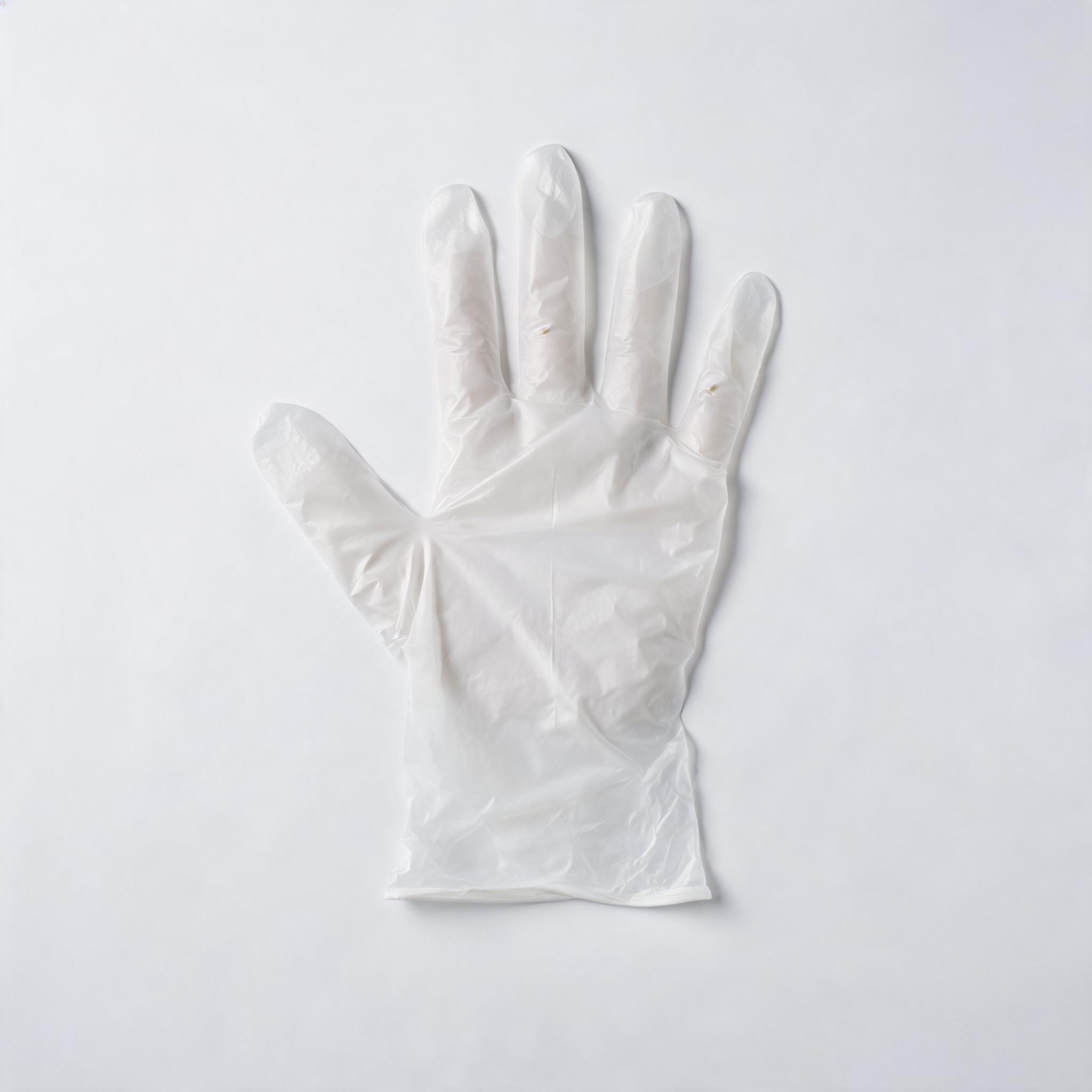
When healthcare facilities source vinyl gloves supplier, oncology pharmacies and chemotherapy preparation units must verify that gloves meet specialized permeation testing standards beyond general medical examination requirements. Chemotherapy drugs - including cytotoxic, antineoplastic, and hazardous drug compounds - can permeate standard glove materials at rates that vary by drug concentration, contact time, and temperature. Justsun manufactures EN 455 certified nitrile examination gloves at our 26,100m² facility in Xiamen, China, suitable for use as part of a chemotherapy safe-handling program when properly selected and tested.
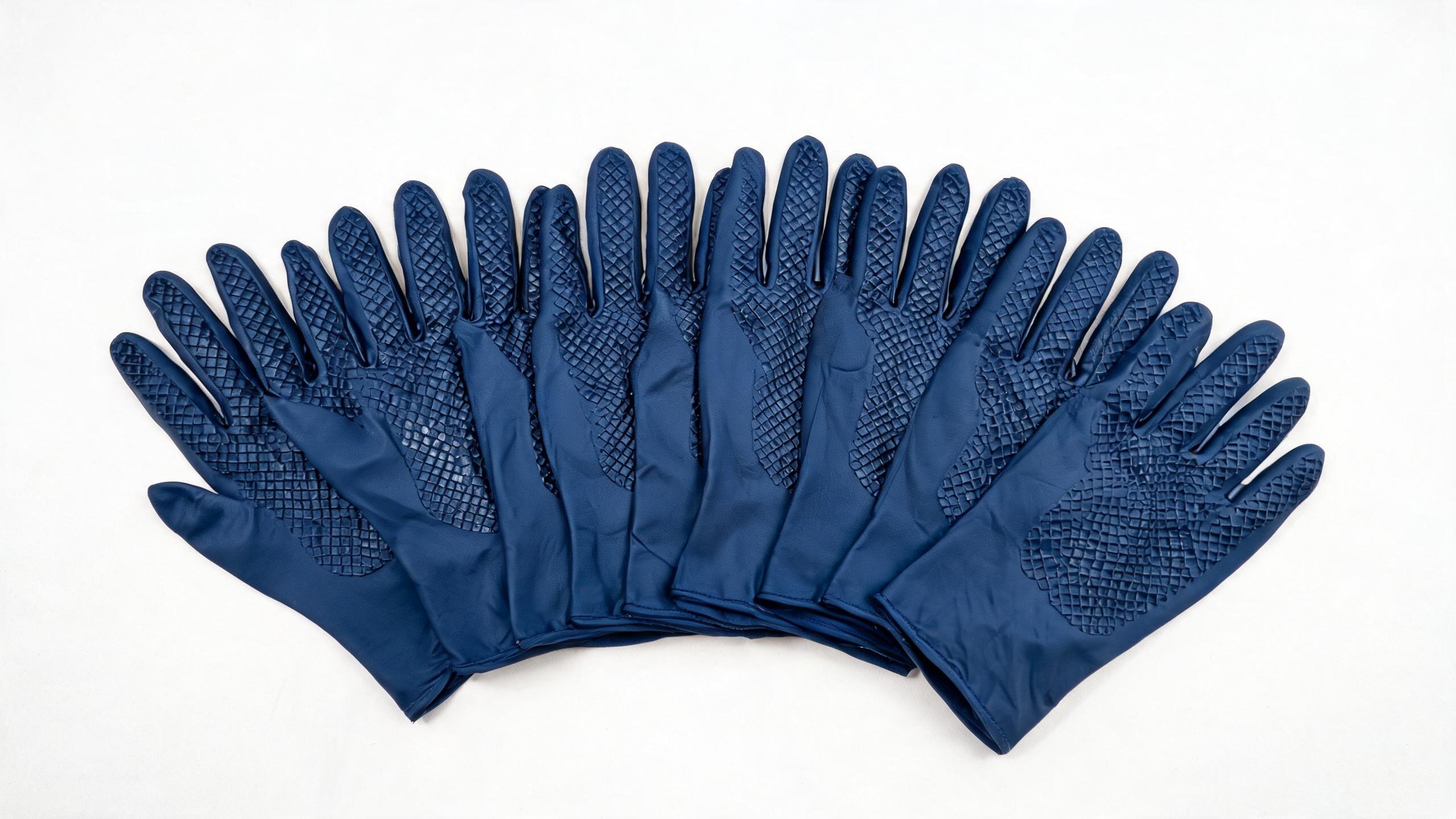
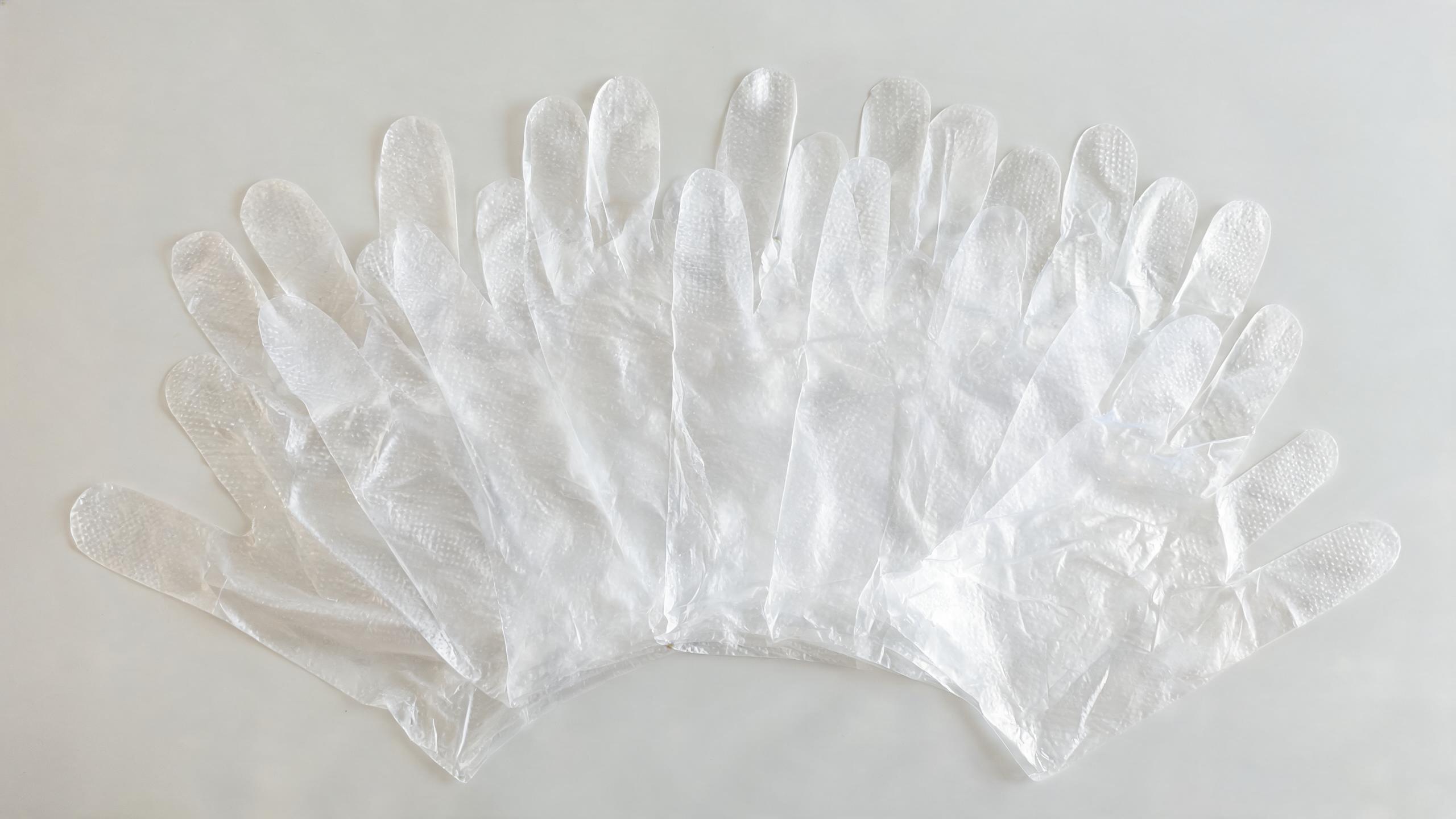
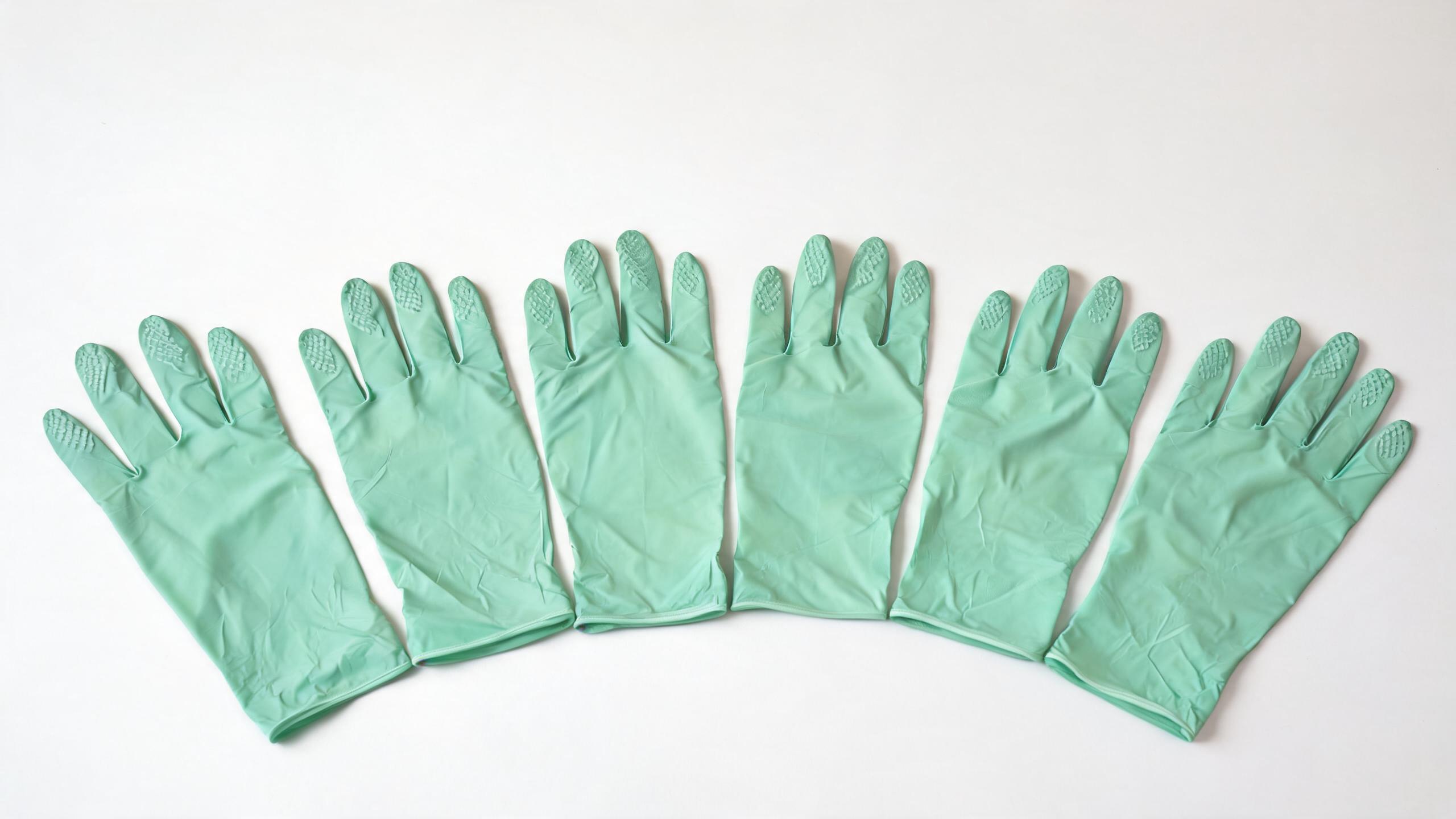
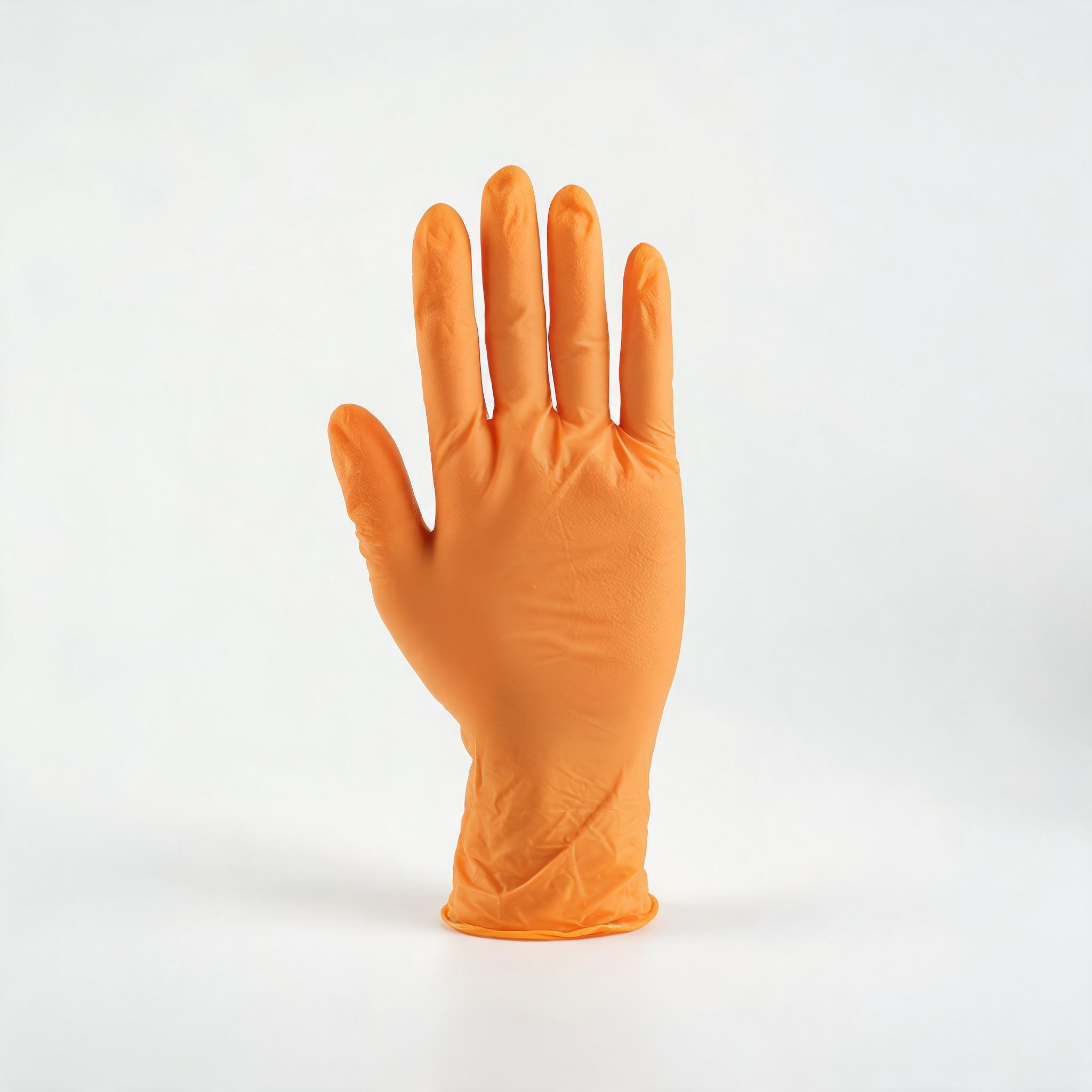
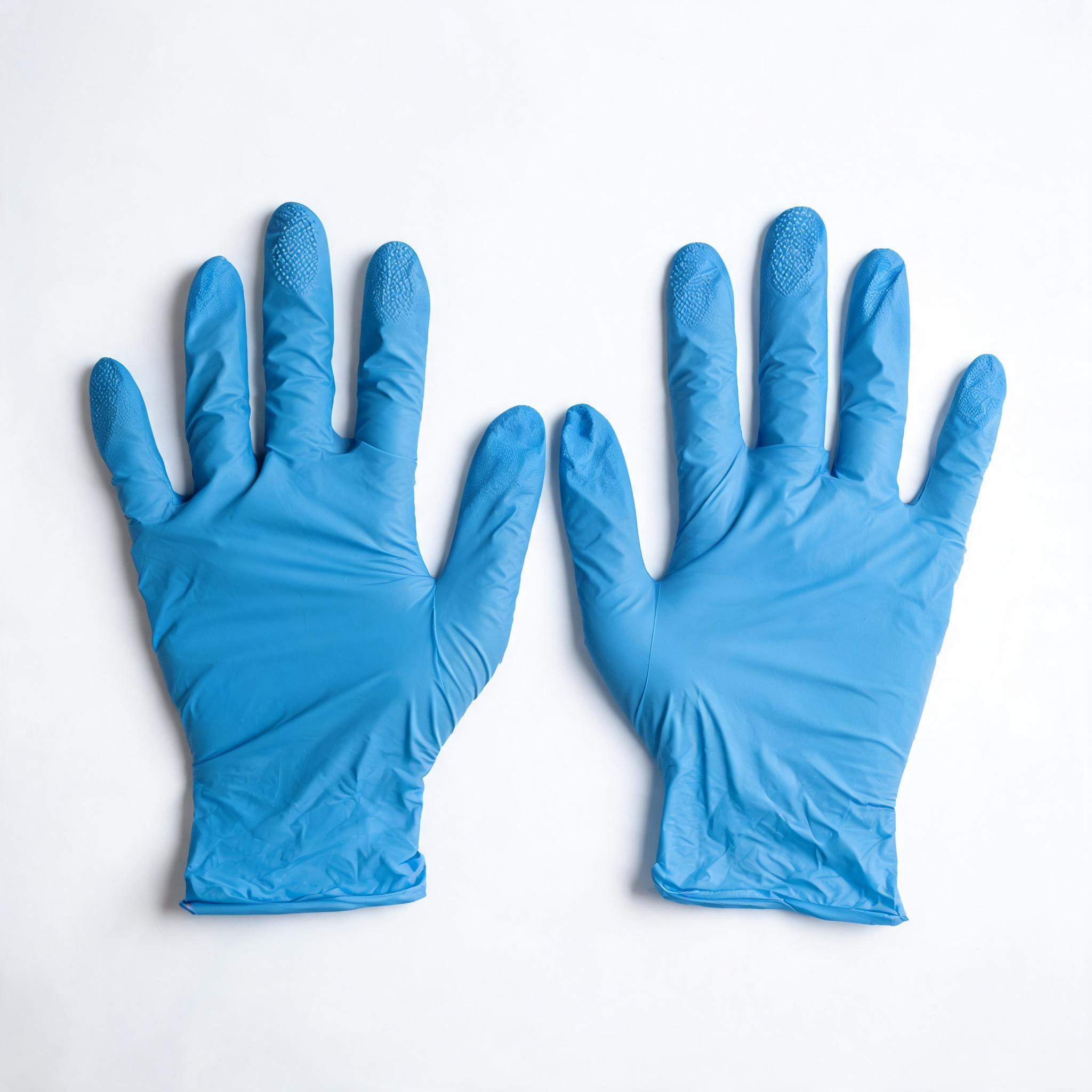
Our Nitrile Gloves Powder-Free Blue provide 100% latex-free nitrile construction with 0.11mm thickness, powder-free chlorinated surface, and AQL 1.5 medical-grade quality. For sterile compounding applications, the Sterile Nitrile Disposable Medical Exam Gloves offer individually paired sterile packaging with 0.15mm thickness. Both products carry EN 455 certification for medical examination use.
Chemotherapy glove selection requires understanding the key testing standard:
| Standard | Scope | Pass Criteria | Typical Drugs Tested |
|---|---|---|---|
| ASTM D6978 | Chemo drug permeation | No permeation >0.01µg/cm²/min for ≥240 min | 9 drugs including Carmustine, Cyclophosphamide, Doxorubicin, Etoposide, 5-Fluorouracil, Methotrexate |
| EN 374-3 | Chemical permeation | Breakthrough time ≥480 min (Level 6) | Specific chemical list, not chemotherapy-specific |
| USP 800 | Handling hazardous drugs | Two pairs of ASTM D6978-tested gloves | Requires double-gloving during compounding |
ASTM D6978 is the gold standard for chemotherapy glove testing. Gloves must demonstrate no detectable permeation above 0.01µg/cm²/min for at least 240 minutes against a panel of nine chemotherapy drugs representing different drug classes and permeation characteristics.
Selecting vinyl gloves supplier for Different Chemotherapy Compounding Scenarios
Chemotherapy drug handling involves multiple scenarios with different glove performance requirements:
Sterile compounding in USP 797 cleanrooms: Requires ASTM D6978-tested gloves in sterile packaging. USP 800 mandates double-gloving with the outer glove changed every 30 minutes or immediately after contamination. Justsun's sterile individually paired gloves can serve as the inner glove layer in a double-gloving protocol.
Administration and patient contact: Nurses administering chemotherapy via IV require ASTM D6978-tested gloves but not necessarily sterile. Standard powder-free nitrile exam gloves tested to ASTM D6978 are appropriate when changed between patients.
Spill cleanup: USP 800 requires double-gloving with ASTM D6978-tested gloves for hazardous drug spill management. Spill kits should include chemotherapy-rated gloves with sufficient thickness (0.15mm or greater recommended).
Waste handling: Personnel handling chemotherapy waste containers should use ASTM D6978-tested gloves. Thicker nitrile gloves (5+ mil) provide additional mechanical protection against sharps in waste bags.
How Pharmacy Buyers Verify vinyl gloves supplier Performance
Oncology pharmacy procurement should request the following documentation when qualifying vinyl gloves supplier suppliers:
- ASTM D6978 test report – Must list each drug tested, permeation rate at each time interval, and the pass/fail conclusion. The report should be from an accredited laboratory (e.g., Nelson Labs, UL) and dated within 3 years.
- Drug-specific permeation data – Some gloves pass ASTM D6978 for 8 of 9 drugs but fail for Carmustine (a particularly aggressive permeator). Request drug-by-drug results, not just an overall pass.
- Thickness consistency – Chemotherapy gloves should have uniform thickness across the palm, fingers, and cuff. Request thickness measurement data from QC records. Inconsistent thickness creates weak points for drug permeation.
- Sterility documentation – For sterile compounding gloves, verify EN 455 Part 4 (or equivalent) sterility testing, SAL 10⁻⁶ documentation, and sterilization method (EO or gamma).
- Lot-to-lot consistency – Request QC data from 3+ consecutive production lots to verify that material formulation and thickness remain consistent across batches.
Nitrile vs. Latex for Chemotherapy Drug Handling
Material selection for vinyl gloves supplier affects permeation resistance:
| Property | Nitrile | Latex |
|---|---|---|
| ASTM D6978 pass rate | High (most formulations) | Moderate (varies by formulation) |
| Carmustine resistance | Variable - test required | Generally poor |
| Allergy risk | None (Type I) | High (Type I) |
| Thickness availability | 4-8 mil | 5-8 mil |
| Tactile sensitivity | Good | Excellent |
| USP 800 compatibility | Recommended | Not recommended (allergy) |
USP 800 explicitly recommends nitrile gloves for hazardous drug handling due to superior chemical resistance and the elimination of latex allergy risk in healthcare workers. Justsun's nitrile gloves provide the latex-free foundation for chemotherapy safe-handling programs.
Glove Change Protocols for Chemotherapy Handling
Proper glove change frequency is critical for chemotherapy safety:
- During compounding: Change outer gloves every 30 minutes, or immediately if torn, punctured, or contaminated. Inner gloves changed when outer gloves are changed.
- During administration: Change gloves between each patient. Remove and dispose of gloves properly in chemotherapy waste containers.
- After spills: Double-glove with ASTM D6978-tested gloves. Remove outer gloves after spill containment, then remove inner gloves. Wash hands thoroughly.
- Maximum wear time: No chemotherapy-rated glove should be worn for more than 60 minutes regardless of visible contamination, as permeation may occur without visible signs.
These change frequencies significantly impact consumption. A pharmacy compounding 20 doses per day with double-gloving and 30-minute changes may use 80-100 gloves per day per pharmacist.
Regulatory Framework for vinyl gloves supplier in Oncology
Chemotherapy glove procurement must comply with multiple regulatory frameworks:
United States: USP 800 requires ASTM D6978-tested gloves for all hazardous drug handling. FDA regulates chemotherapy gloves as Class I medical devices requiring 510(k) clearance. OSHA Hazardous Drug standard requires employer-provided PPE including chemotherapy-rated gloves.
European Union: EN 455 provides medical device baseline. EN 374-3 chemical permeation testing may be required depending on national guidelines. MDR 2017/745 governs medical device certification including gloves used in oncology.
International: ISOP standards recommend ASTM D6978 or equivalent testing. Many countries adopt USP 800 principles for hazardous drug handling.
Justsun provides EN 455 certification, CE marking, and can coordinate ASTM D6978 testing through accredited third-party laboratories for qualifying orders. Documentation includes test reports, material composition analysis, and lot traceability records.
Cost Considerations for vinyl gloves supplier in Hospital Pharmacy Budgets
Chemotherapy glove procurement involves cost factors beyond unit price:
- Double-gloving multiplier: USP 800 requires two pairs per use, effectively doubling consumption. Budget for 2x the single-glove calculation.
- Frequent change impact: 30-minute change intervals increase daily consumption. A 10-hour compounding shift requires 20+ glove changes per pharmacist.
- Sterile vs. non-sterile: Sterile individually packaged gloves cost 3-5x more than non-sterile bulk-packaged gloves. Reserve sterile gloves for compounding; use non-sterile for administration.
- Thickness trade-off: Thicker gloves (6-8 mil) may offer better permeation resistance but reduce tactile sensitivity for precision compounding tasks. Balance protection against functional dexterity.
- Waste disposal costs: Chemotherapy-contaminated gloves require disposal in designated chemotherapy waste containers, which cost more than standard biohazard waste disposal.
Why Justsun for vinyl gloves supplier Supply
Justsun has manufactured and exported disposable medical gloves since 1997 from our 26,100m² facility in Xiamen, China. Our nitrile examination gloves are EN 455 certified with AQL 1.5 quality standard, powder-free treatment, and 400+ employees maintaining production consistency. We understand the documentation demands of oncology procurement - lot traceability, material consistency, and test report availability.
For chemotherapy-specific requirements, we can coordinate ASTM D6978 permeation testing, provide sterile individually paired packaging for compounding applications, and supply documentation packages supporting USP 800 compliance programs. Our products include nitrile powder-free examination gloves and sterile latex surgical gloves, both EN 455 certified.
Frequently Asked Questions About vinyl gloves supplier
Are Justsun's nitrile gloves ASTM D6978 tested?
Our standard production gloves are EN 455 certified. We can coordinate ASTM D6978 chemotherapy drug permeation testing through accredited third-party laboratories for qualifying orders (typically 500+ cartons). Request testing when placing your order; results take 3-4 weeks.
Can your gloves be used for USP 797 sterile compounding?
For sterile compounding, use our sterile individually paired gloves (EN 455 certified, SAL 10⁻⁶). When used as part of a double-gloving protocol per USP 800, the inner glove provides a sterile barrier. Verify ASTM D6978 compliance for your specific drug panel.
What thickness do you recommend for chemotherapy handling?
For compounding, we recommend 0.15mm (approximately 6 mil) or thicker for the outer glove to balance permeation resistance with tactile sensitivity. Our sterile gloves are 0.15mm. For administration, 0.11mm (4-5 mil) nitrile exam gloves are standard.
Do you provide drug-specific permeation data?
When ASTM D6978 testing is completed, the laboratory report lists each of the nine test drugs individually with permeation rates at each measurement interval. We provide the full report to your pharmacy for review.
How should chemotherapy gloves be stored?
Store at 10-35°C, relative humidity below 65%, away from direct sunlight and ozone sources. For sterile gloves, verify packaging integrity before use. Shelf life: nitrile 3-5 years, latex 3 years. Do not use expired gloves for chemotherapy handling.
What is the MOQ for chemotherapy-rated gloves?
Standard MOQ is 1 carton (1,000 pieces). ASTM D6978 testing coordination requires 500+ carton orders. Sterile individually packaged gloves may have higher MOQ. Contact us with your requirements for specific pricing and testing options.