
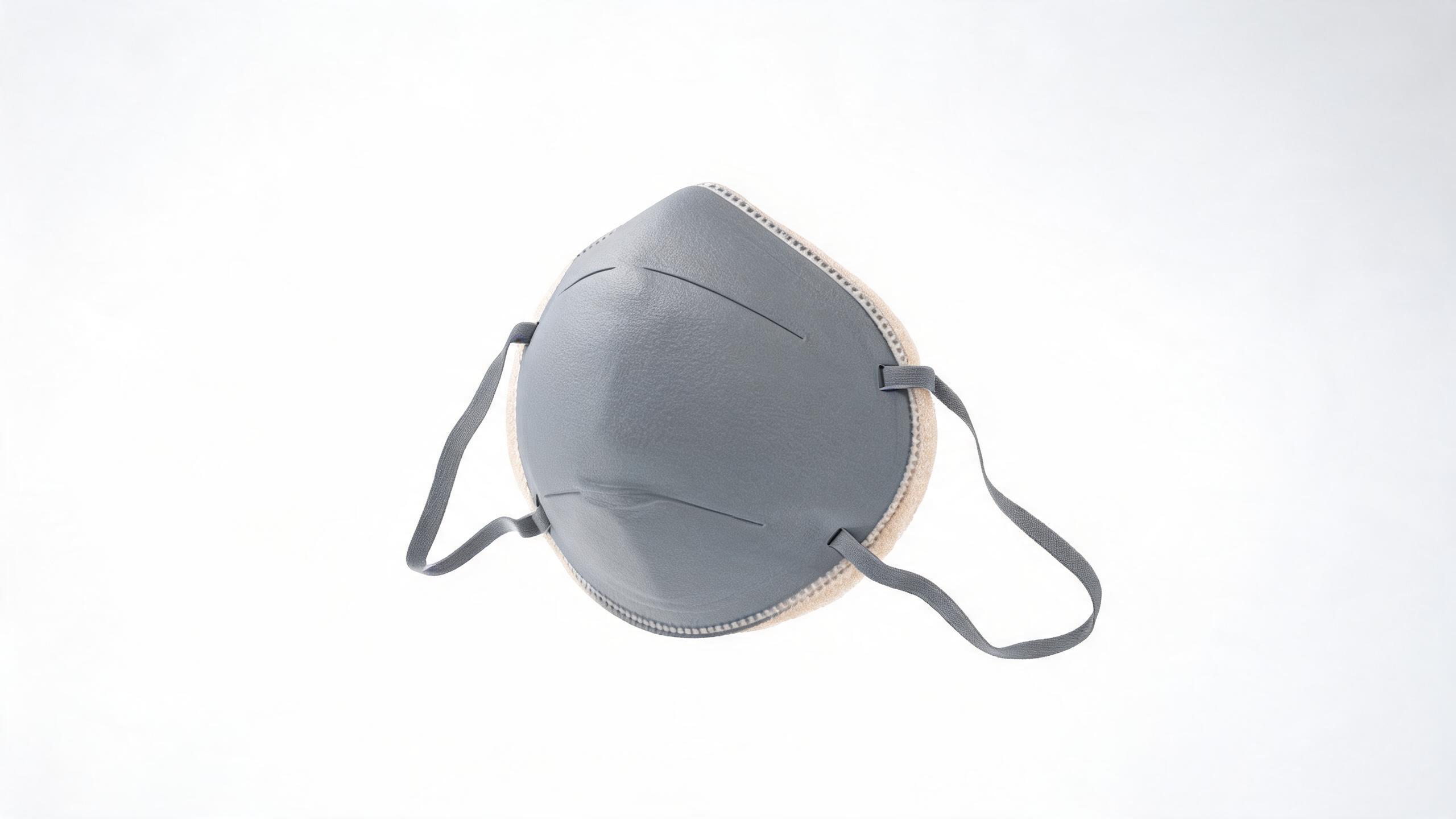
Complete guide to KN95 respirator fit testing: qualitative vs quantitative methods, OSHA requirements, step-by-step protocol, and common challenges for workplace safety managers and procurement officers.
Why Fit Testing Matters for Workplace Safety
For safety managers and procurement officers, ensuring that KN95 respirators provide adequate protection is not just about compliance—it is about worker health and operational continuity. A respirator that does not seal properly against the wearer's face can allow airborne contaminants, particulates, or pathogens to bypass the filter media, rendering the PPE ineffective. Fit testing is the only reliable method to verify that a specific KN95 model achieves a proper seal on each individual user.ser.
Regulatory Context and Standards for KN95 Fit Testing
While KN95 respirators are designed to meet Chinese standard GB2626-2019, many workplaces in North America and Europe require fit testing as part of their respiratory protection program. OSHA mandates fit testing for all tight-fitting respirators under 29 CFR 1910.134. Although KN95 masks are not NIOSH-approved, they are often used in industrial, healthcare, and general workplace settings where equivalent filtration is acceptable under local guidelines.
Key Differences Between Qualitative and Quantitative Fit Testing
Qualitative Fit Testing (QLFT)
Qualitative fit testing relies on the wearer's sense of taste or smell to detect leakage. A test agent—such as saccharin (sweet) or Bitrex (bitter)—is aerosolized in a hood or enclosure. If the wearer tastes the agent, the respirator has failed the fit test. This method is cost-effective and suitable for half-mask respirators like KN95s.95s.
Quantitative Fit Testing (QNFT)
Quantitative fit testing uses an instrument to measure the actual concentration of particles inside and outside the respirator. A fit factor is calculated; a passing score typically requires a fit factor of 100 or higher for half-mask respirators. This method provides objective, numerical data and is ideal for high-risk environments.
Step-by-Step Guide: How to Fit Test KN95 Respirators
1. Select the Right KN95 Model
Ensure you have a consistent supply of the same KN95 model and size. Different manufacturers produce variations in shape, nose wire rigidity, and strap tension. Choose a model verified for filtration efficiency (≥95% for particles ≥0.3 microns).
2. Prepare the Testing Environment
Conduct fit testing in a clean, well-ventilated area free from drafts. For qualitative testing, you will need a test hood, nebulizer, and test solution. Have the wearer remove any facial hair, jewelry, or glasses that could compromise the seal.
3. Perform the User Seal Check
Before the formal fit test, instruct the wearer to perform a user seal check. Place the KN95 respirator over the nose and mouth, adjust the nose wire, and pull the straps over the head. Cover the respirator with both hands and exhale sharply.
4. Conduct the Fit Test Protocol
For qualitative testing, the wearer dons the respirator and enters the test hood. The test agent is aerosolized inside the hood. The wearer performs exercises: normal breathing, deep breathing, turning head side to side, moving head up and down, talking, bending over, and normal breathing again.
5. Document Results and Repeat as Needed
Record the test date, respirator model, wearer name, test method, and pass/fail outcome. Fit testing should be repeated annually, or whenever a new respirator model is introduced.
Common Challenges in KN95 Fit Testing
- Poor Seal Due to Facial Hair: Enforce a clean-shaven policy for respirator users.
- Inconsistent Strap Tension: Use respirators with adjustable straps or replace masks after extended use.
- Nose Wire Not Moldable Enough: Choose KN95 models with a thick, moldable aluminum nose strip.
KN95 vs. N95 Fit Testing Comparison
| Feature | KN95 | N95 (NIOSH-Approved) |
|---|---|---|
| Filtration Standard | ≥95% (GB2626-2019) | ≥95% (42 CFR Part 84) |
| Fit Testing Required | Yes, for workplace use | Yes, under OSHA |
| Regulatory Acceptance | Varies by region | Widely accepted in US |
| Typical Fit Factor Pass | ≥100 (quantitative) | ≥100 (quantitative) |
Ensure your workforce is protected with properly fit-tested KN95 respirators. Explore our certified KN95 respirator models and contact our team to discuss your fit testing program requirements.