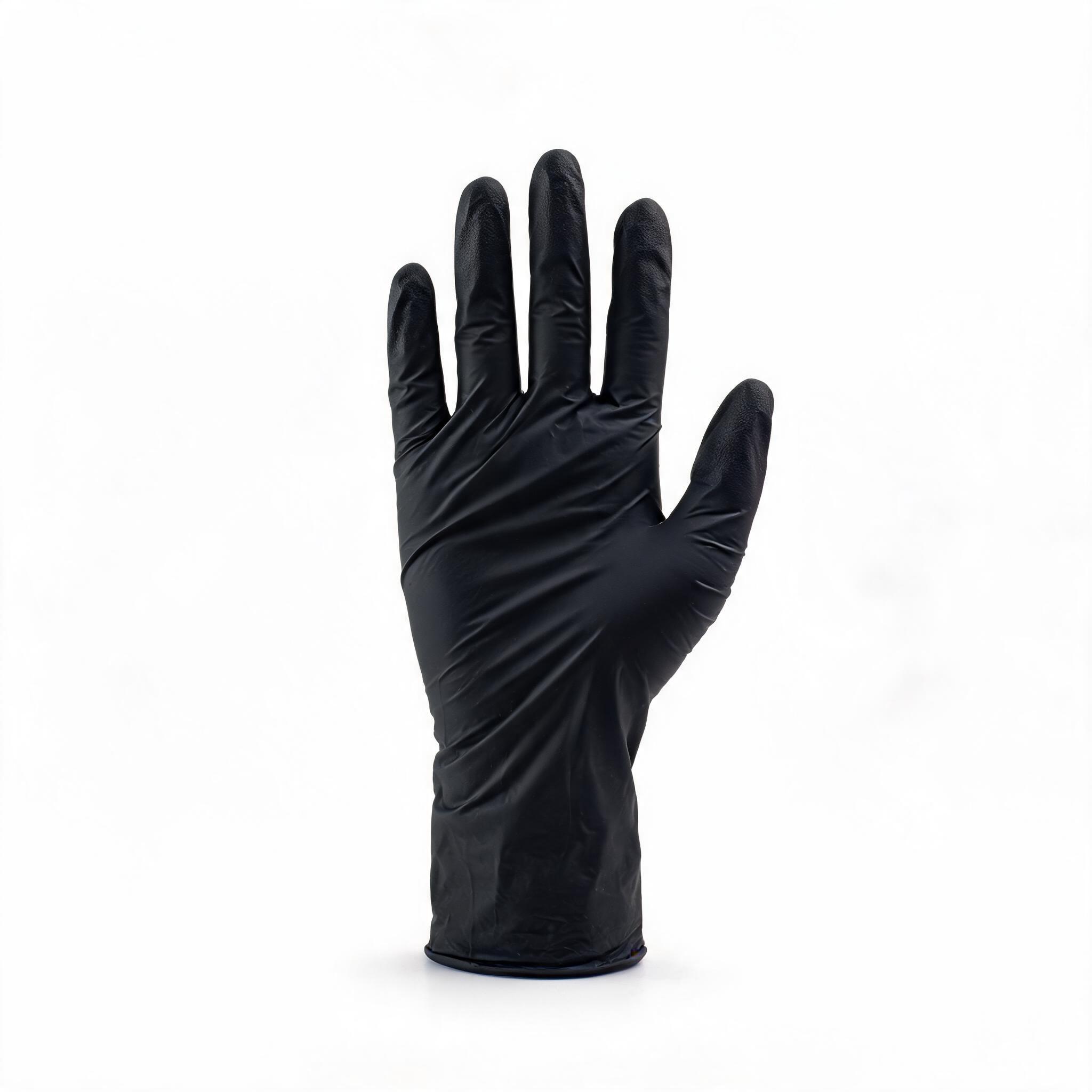
Gloves · comparison

Nitrile vs Latex Gloves: Which to Choose

A head-to-head comparison of nitrile and latex examination gloves across barrier strength, comfort and cost.

Alıcı rehberi

Nelere dikkat edilmeli

01

Barrier strength: nitrile wins on puncture and chemicals

Nitrile gloves offer strong puncture and chemical resistance, which makes them more durable for clinical and diagnostic work where sharp instruments and cleaning agents are common. Latex offers good elasticity but is more prone to tearing under sharp contact. If the task involves needles, instruments or chemical exposure, nitrile is the safer barrier.

  • Nitrile: strong puncture and chemical resistance
  • Latex: good elasticity, more prone to tearing
  • Nitrile is safer for instruments and chemicals

02

Tactile sensitivity and comfort: latex still leads, nitrile has closed the gap

Latex offers excellent tactile sensitivity and a snug, elastic fit, which some users find more comfortable for precise work. Nitrile has improved significantly and now offers comparable sensitivity with better durability. For tasks that demand fine touch — examinations, procedures — the sensitivity difference between modern nitrile and latex is small enough that barrier and allergy safety usually decide the choice.

  • Latex: excellent sensitivity and snug fit
  • Nitrile: comparable sensitivity with better durability
  • Barrier and allergy safety usually decide the choice
03

Allergy profile: nitrile is the safer default

Latex proteins can cause allergic reactions in both wearers and patients, ranging from skin irritation to more serious responses. Nitrile is latex-free, making it the safer choice for allergy-sensitive healthcare settings. If your team or patient population includes anyone with a latex sensitivity, nitrile removes the risk entirely.

  • Latex proteins can cause allergic reactions
  • Nitrile is latex-free and safer for allergy-sensitive settings
  • Nitrile removes the latex risk entirely
04

Cost: weigh the price gap against the protection

Latex gloves are generally less expensive than nitrile. However, the cost difference is often worth it for the stronger barrier and allergy safety that nitrile provides in clinical settings. For low-risk, high-turnover tasks where barrier strength is not critical, latex or vinyl can be the economical choice. Match the glove to the task and the cost to the risk.

  • Latex is generally less expensive than nitrile
  • Nitrile's barrier and allergy safety justify the cost in clinical work
  • Match the glove to the task and the cost to the risk
Alıcı SSS

Sık sorulan satın alma soruları

Which glove is stronger, nitrile or latex?+

Nitrile offers stronger puncture and chemical resistance. Latex is more elastic but more prone to tearing under sharp contact.

Are latex gloves safe for people with allergies?+

Latex proteins can cause allergic reactions. Nitrile is latex-free and is the safer choice for allergy-sensitive settings.

Are nitrile gloves more expensive?+

Generally yes, but the stronger barrier and allergy safety often justify the cost in clinical and diagnostic settings.

Teklif alın

Gereksinimlerinizi bize iletin

Ürün tipinizi, miktarınızı ve varış yerinizi paylaşın. İhracat ekibimiz siparişiniz için sertifika dosyalarını, MOQ'yu ve üretim/teslim süresini doğrulayacaktır.

  • CE / FDA sertifika dosyaları
  • MOQ, ambalaj ve onaylanmış üretim/teslim süresi
  • Markanız için OEM / özel markalama seçenekleri
Product Inquiry
◆
Product Inquiry
Nitrile vs Latex Gloves: Which to Choose (wholesale inquiry)
◆