Protective gowns · critical zones

Surgical Gown Critical Zones: What to Check

Why the front, sleeves and seams matter more than the AAMI level number, and how to compare critical-zone coverage across gowns.

Alıcı rehberi

Nelere dikkat edilmeli

01

What AAMI defines as critical zones

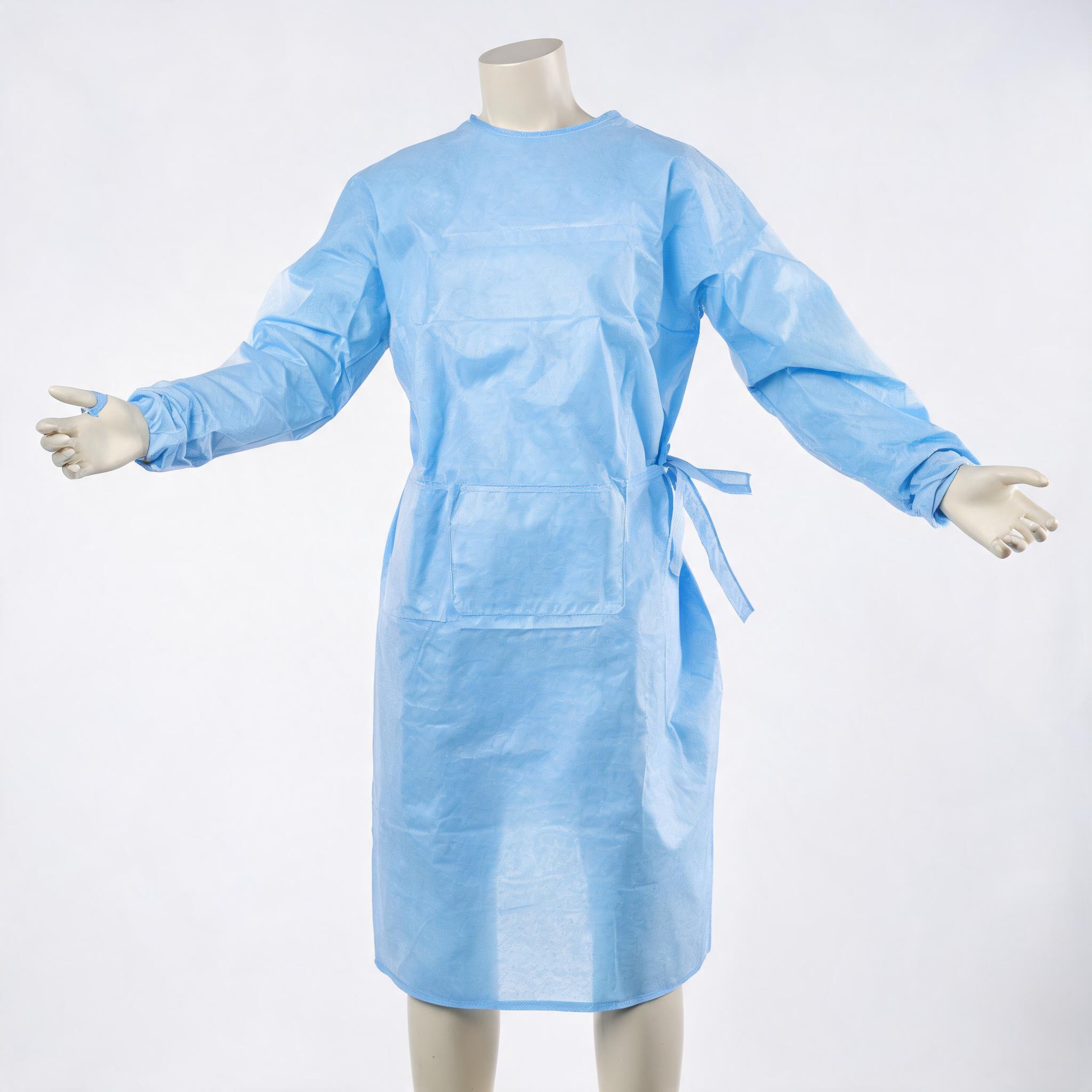
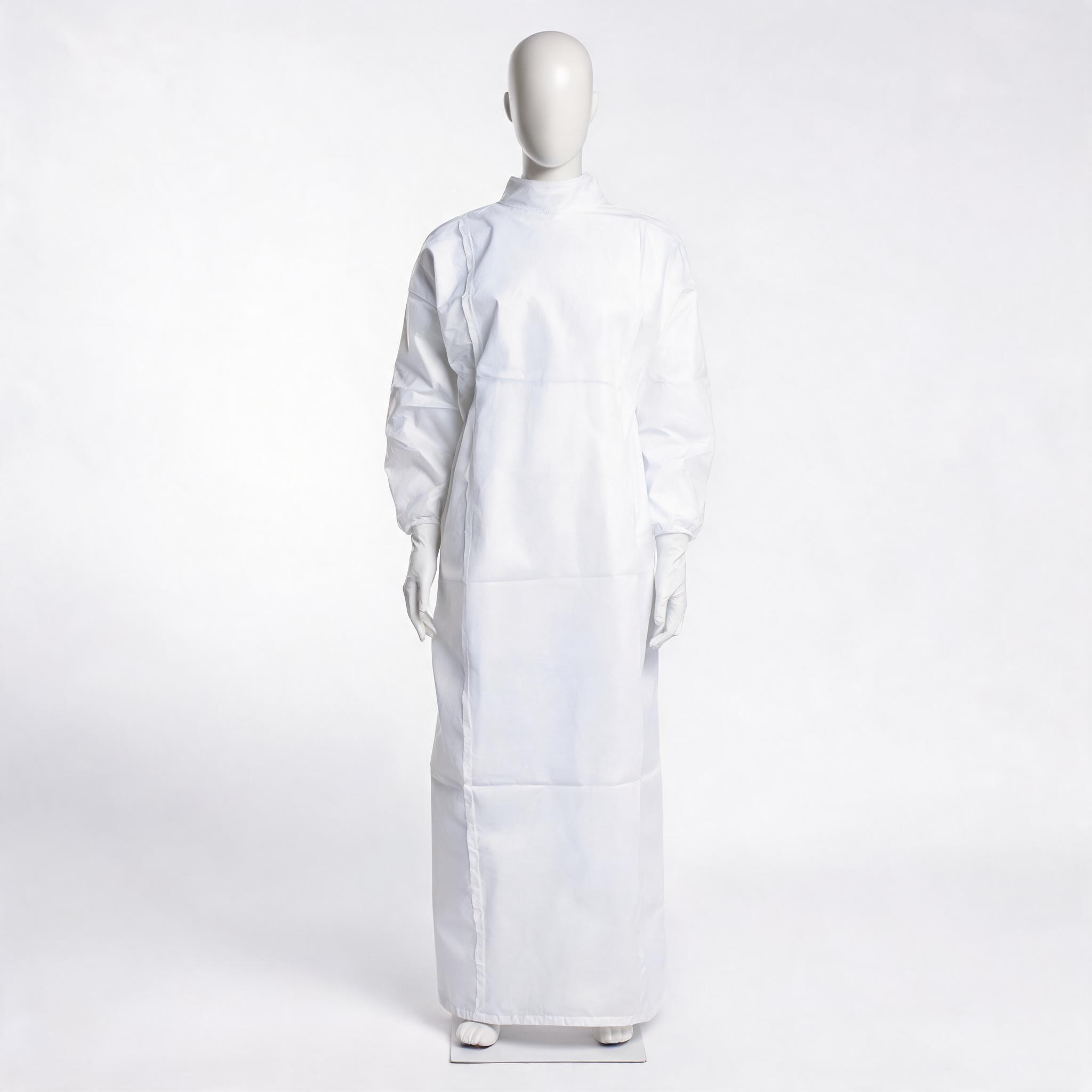
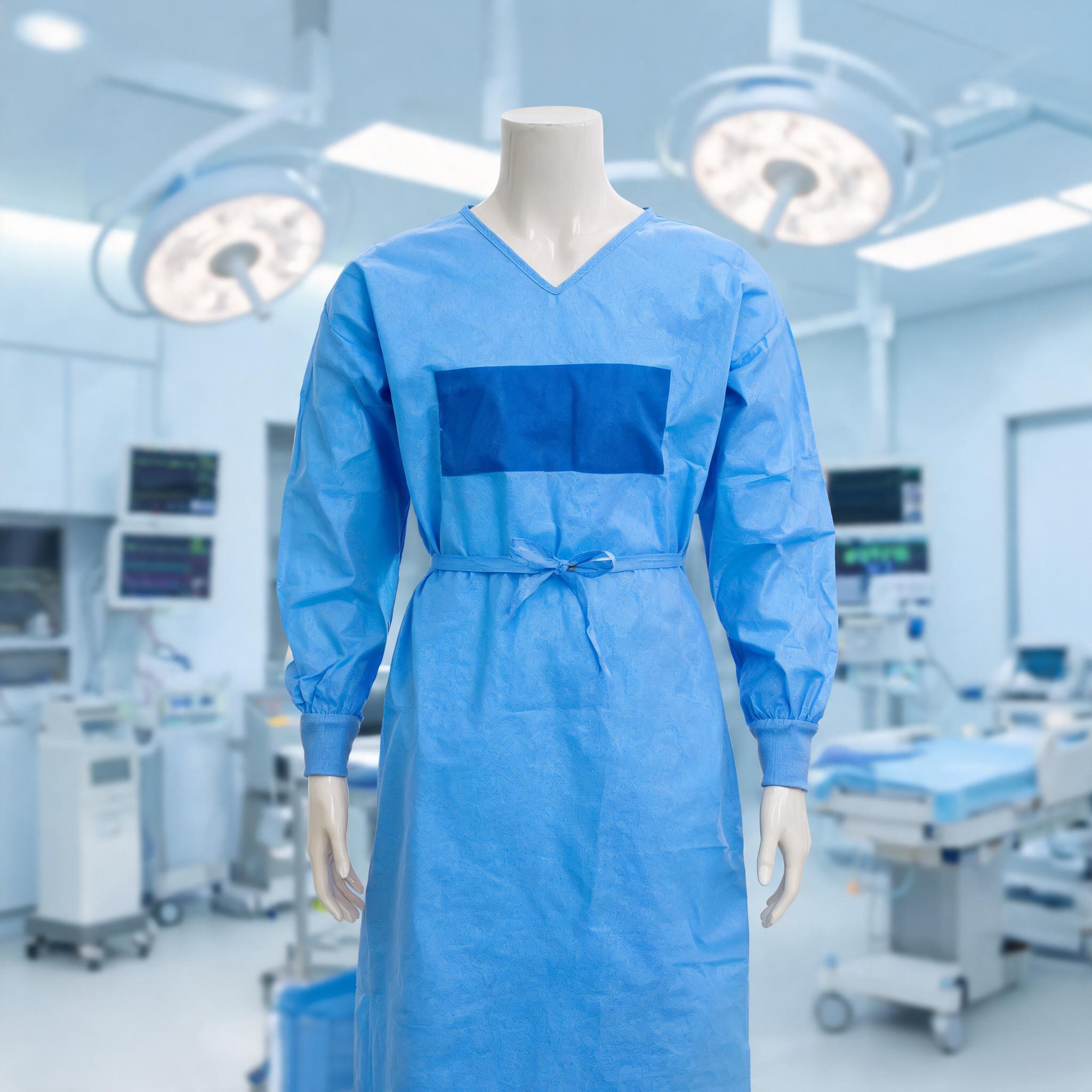
AAMI PB70 defines critical zones as the front, the sleeves and the seams of the gown — the areas most exposed to fluid during a procedure. The gown must provide its rated barrier level in these zones, while the back and other non-critical areas may carry a lower barrier. This is why two gowns with the same AAMI level can protect differently: the level number alone does not tell you how much of the torso is covered by the rated barrier.

  • Critical zones are the front, sleeves and seams
  • The rated barrier must hold in these zones
  • The back and non-critical areas may be lower barrier
02

Why coverage matters more than the level number

A gown with full critical-zone coverage protects the surgeon's front and arms, while a gown with a shorter critical zone leaves more of the torso exposed. When you compare gowns, check the critical-zone coverage on the specification sheet, not just the level number. A Level 3 gown with full coverage protects differently from a Level 3 gown with partial coverage, even though they carry the same rating.

  • Full coverage protects the front and arms
  • Shorter coverage leaves more of the torso exposed
  • Check critical-zone coverage, not just the level
03

Seams: the weakest point of a sewn gown

Seams are a critical zone because a sewn seam can leak under fluid pressure. Seam sealing (taped or heat-sealed seams) closes the stitching against fluid. For high-fluid procedures, sealed seams are not optional — a standard sewn seam will leak under pressure. Confirm the seam construction matches the fluid risk of the procedure you are supplying.

  • Seams are a critical zone and a leak point
  • Seam sealing closes the stitching against fluid
  • Sealed seams are essential for high-fluid procedures
04

How to compare gowns for a bulk order

For a bulk order, compare gowns on three things together: the AAMI level, the critical-zone coverage and the seam construction. A gown that meets the level but has partial coverage or sewn seams may not protect as well as one with full coverage and sealed seams. Then match the standard to your target market — AAMI PB70 for North America, EN 13795 for Europe — and request the certification file for the exact model.

  • Compare level, coverage and seam construction together
  • Match the standard to your target market
  • Request the certification file for the exact model
Alıcı SSS

Sık sorulan satın alma soruları

What are critical zones on a surgical gown?+

Critical zones are the front, sleeves and seams where the gown must provide its rated barrier. Check the critical-zone coverage to ensure it matches the procedure.

Why do two gowns with the same level protect differently?+

Because critical-zone coverage varies. A gown with full coverage protects the front and arms, while one with partial coverage leaves more of the torso exposed.

Are sealed seams important?+

Yes, for high-fluid procedures. Sealed seams close the stitching against fluid, while a standard sewn seam can leak under pressure.

Teklif alın

Gereksinimlerinizi bize iletin

Ürün tipinizi, miktarınızı ve varış yerinizi paylaşın. İhracat ekibimiz siparişiniz için sertifika dosyalarını, MOQ'yu ve üretim/teslim süresini doğrulayacaktır.

  • CE / FDA sertifika dosyaları
  • MOQ, ambalaj ve onaylanmış üretim/teslim süresi
  • Markanız için OEM / özel markalama seçenekleri
Product Inquiry
Product Inquiry
Surgical Gown Critical Zones: What to Check (wholesale inquiry)