
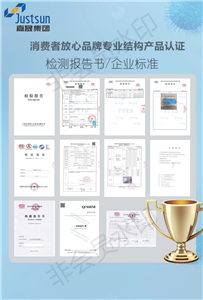
审核KN95口罩供应商质量控制的综合框架。涵盖原材料可追溯性、生产环境、过程质量控制、成品测试及常见审核陷阱。
Quality Audit · Supplier QC Guide
How to Audit KN95 Mask Supplier Quality Control
For business buyers, the decision to partner with a KN95 mask supplier extends far beyond price and lead time. The regulatory landscape for respiratory protection has tightened globally, and a single quality failure can disrupt supply chains, damage brand reputation, or even lead to liability claims. This guide focuses specifically on the audit and quality control processes that separate reliable suppliers from high-risk vendors.
Core Quality Parameters for KN95 Masks
The Chinese standard GB2626-2006 specifies requirements for filtering facepieces. Key parameters include:
- Filtration Efficiency (PFE): ≥95% for particulate matter of 0.3 microns
- Breathing Resistance: Inhalation ≤350 Pa, exhalation ≤250 Pa at 85 L/min
- Fit Factor: Total inward leakage ≤8% for tight-fitting masks
- Dead Space: CO₂ content in inhaled air ≤1%
A quality-focused supplier should provide test reports from accredited laboratories for each production batch. Documentation alone is insufficient-you must verify that the manufacturing process consistently delivers these specifications.
Audit Framework: What to Inspect at a KN95 Mask Factory
1. Raw Material Sourcing and Traceability
The meltblown fabric is the heart of KN95 filtration. During an audit, request meltblown supplier certifications, incoming material inspection records, and batch traceability system linking raw material lots to finished mask production dates.
Quality Benchmark: The Justsun KN95 Cup Respirator Grey uses meltblown polypropylene with electrostatic filtration, CE certified to GB2626-2006 with ≥95% filtration at 0.3µm. The KN95 Valve Respirator Black features five-layer meltblown construction with an integrated electrostatic layer.
2. Production Environment and Equipment
Look for cleanroom classification (ISO Class 7 or 8), temperature and humidity monitoring, automated production lines, and static elimination measures. Excessively fast lines (>60 masks/minute) can compromise sealing and ultrasonic welding quality.
3. In-Process Quality Control (IPQC)
Observe real-time filtration testing (sampling every 30 minutes), visual inspection stations, seal integrity tests, and SPC charts showing PFE and pressure drop trends. If the supplier cannot demonstrate IPQC data from the last production run, consider it a major risk.
4. Finished Product Testing
A reliable supplier should have in-house or contracted lab testing for full GB2626 testing, microbiological testing, and packaging integrity testing. Request copies of test reports for the last three production batches with test dates within 6 months and lab accreditation (CNAS, ISO 17025).
5. Quality Management System Certification
Look for ISO 13485 (medical device QMS), ISO 9001 (general QMS), CE marking with valid NB number, and verify certifications on the issuing body's database.
Common Audit Pitfalls
| Pitfall | How to Avoid |
|---|---|
| Relying only on certificates | Request product-specific test reports and compare with random sampling |
| Ignoring nose wire quality | Bend nose wire 10 times; if it breaks or loses shape, reject |
| Overlooking ear loop strength | Request tensile test report (minimum 10N force) |
| Assuming all GB2626 masks are equal | Ask for specific PFE value from latest batch test |
What to Ask vs. What to Verify
| Request from Supplier | What to Verify Independently |
|---|---|
| ISO 13485 certificate | Check certifying body and validity date |
| GB2626 test report | Confirm lab is CNAS-accredited; test date within 6 months |
| Production capacity | Visit factory or request video of actual production lines |
| Raw material source | Request meltblown supplier name and certifications |
| Lead time | Ask for last three order fulfillment records |
Use Case: Auditing for a Hospital Tender
Imagine you are sourcing KN95 masks for a 500-bed hospital. Requirements include GB2626 certification, ISO 13485 certified factory, batch-by-batch PFE testing, shelf life ≥3 years, and individual sealed pouch packaging. During the audit, you discover the supplier's certification expired and PFE values fluctuate between 93% and 97%. Decision: reject this supplier and move to one with current certification and documented PFE stability.
Frequently Asked Questions
Can I audit a KN95 mask supplier remotely?
Remote audits (video walkthroughs, document review) are acceptable for initial screening. For final approval, an on-site audit is strongly recommended.
How often should I audit my KN95 mask supplier?
For ongoing contracts, conduct an annual on-site audit and quarterly document reviews. If the supplier changes raw material sources or production lines, request an immediate re-audit.
What if the supplier refuses to share test reports?
This is a major red flag. Reputable suppliers share batch test reports as standard practice. If they refuse, assume the quality is unverified and look elsewhere.
Need a verified KN95 supplier with full documentation?
Request Audit Package