
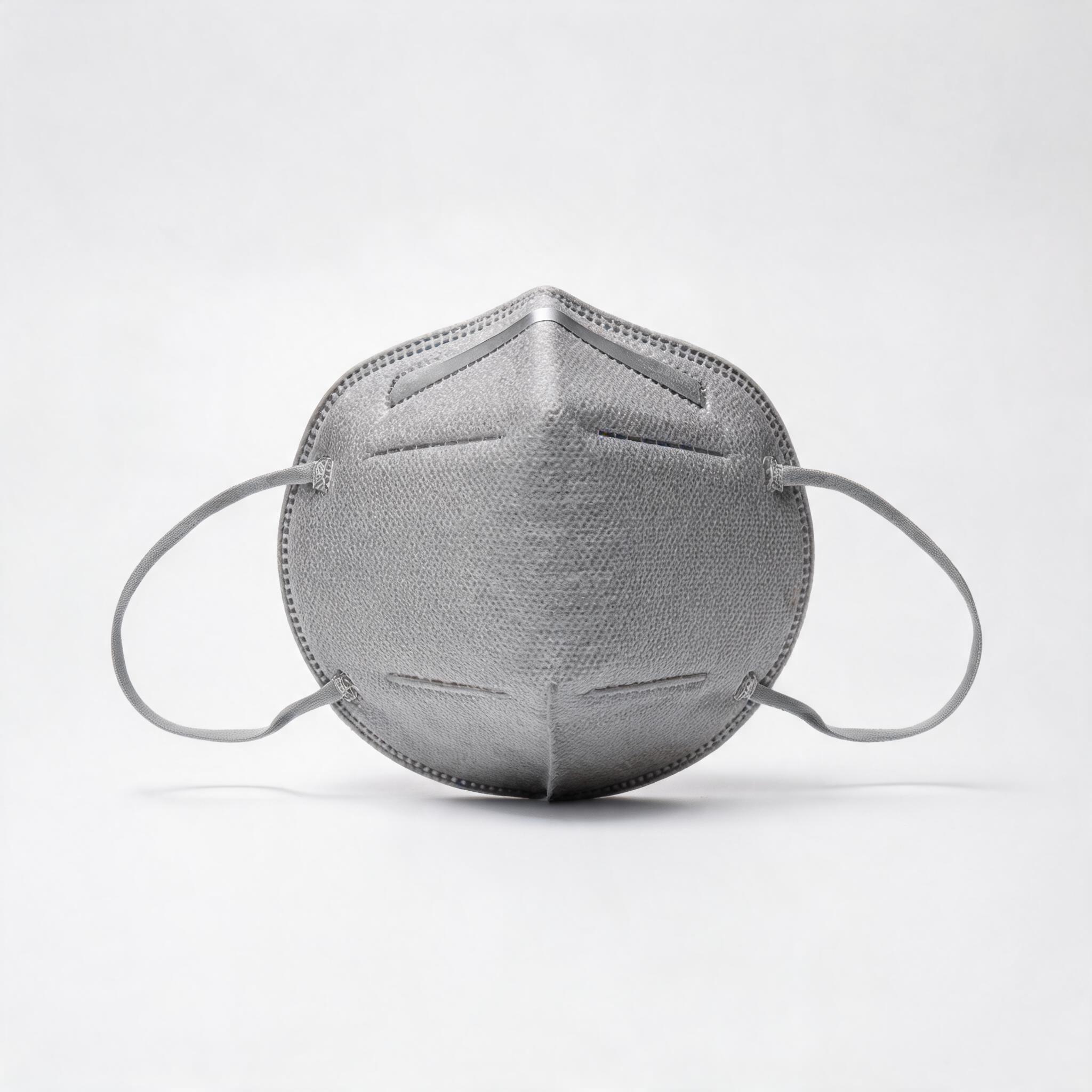
دليل شامل لتخليص صادرات كمامات KN95 جمركياً: المستندات المطلوبة، وأسباب الاحتجاز الشائعة، والمتطلبات الخاصة بالأسواق المختلفة (الاتحاد الأوروبي/الولايات المتحدة/المملكة المتحدة)، وكيفية إعداد حزمة مستندات متوافقة لضمان تخليص سلس.
KN95 Mask Shipping & Customs
KN95 Mask Export Customs: What Documents Customs Actually Checks
For B2B buyers importing KN95 respirators, the customs clearance process is where shipments either move smoothly through or get stuck for weeks. Understanding exactly what customs authorities inspect-and what documentation they require-saves time, avoids storage fees, and ensures your PPE stock reaches its destination when needed. This article covers the specific documents, labeling requirements, and verification steps that customs officers use when processing KN95 mask imports.
Key Insight: Customs authorities do not just check whether you have a CE certificate-they verify the Notified Body number, the product scope on the certificate, and whether the manufacturer name matches the shipping documents. A CE certificate for a different product or a mismatched company name will trigger a detention.
The Document Package Customs Expects
When your KN95 mask shipment arrives at the destination port, customs authorities will review a standard set of documents. Each document must be consistent with the others-manufacturer names, product descriptions, and quantities must match across all paperwork. Here is what customs actually examines:
1. Commercial Invoice
The commercial invoice is the first document customs reviews. It must include:
- Accurate product description: "KN95 respirator (GB2626-2006)" or "KN95 protective face mask" - not just "face mask" or "medical supplies"
- HS code: Typically 6307.90.00 for face masks (verify with your customs broker for the destination country's specific subheading)
- Unit price and total value: Must reflect actual transaction value; undervaluation triggers anti-dumping scrutiny
- Incoterms: Must match the B/L and packing list
- Country of origin: "China" - must match the COO and the manufacturer's address
- Manufacturer and exporter details: Full company name and address; if the manufacturer and exporter are different entities (common in China), both must be listed
2. Certificate of Conformity / CE Certificate
For KN95 mask export customs clearance into the EU, the CE certificate is the critical document. Customs verifies:
- The CE mark is physically present on the product packaging
- The Notified Body number (4-digit code after "CE") is valid and registered in the EU NANDO database
- The certificate's product scope covers KN95 respirators (not just "face masks" generically)
- The manufacturer name on the certificate matches the commercial invoice and B/L
- The certificate has not expired
For US imports, the FDA registration number and (if applicable) 510(k) clearance or NIOSH approval number serve a similar verification function. For more on KN95 mask CE certification requirements, see our detailed guide.
3. Declaration of Conformity (DoC)
The DoC is a manufacturer-signed declaration that the product meets the requirements of the applicable regulation (PPE Regulation 2016/425 for EU, or the relevant FDA regulation for US). EU customs specifically checks for:
- Manufacturer name and address
- Product description and model number
- Applicable standard (GB2626-2006 for KN95)
- Notified Body name and number
- Authorized representative in the EU (if applicable)
- Signature and date
4. Test Reports
While not always requested at the border, customs authorities can demand filtration test reports, particularly for first-time importers or when there is a reason to question product compliance. Reports should come from an accredited lab (such as SGS, TUV, or Intertek) and include:
- Particle filtration efficiency (PFE) test results (≥95% for KN95)
- Bacterial filtration efficiency (BFE) test results
- Breathing resistance (inhalation/exhalation resistance) test results
- Test lab accreditation certificate
- Sample identification matching the product being imported
5. Packing List and Bill of Lading
These must be internally consistent: carton count, piece count, gross weight, and net weight must match across all three documents. Customs uses the packing list to calculate duties and verify the shipment against the commercial invoice. The B/L must show the correct consignee, notify party, and delivery terms.
Common Customs Detention Reasons
Based on common industry experience, the following issues most frequently cause KN95 mask shipments to be detained at customs:
| Issue | Frequency | Resolution Time | Prevention |
|---|---|---|---|
| CE certificate manufacturer name mismatch | Very common | 5–10 days | Verify manufacturer name matches across all documents before shipping |
| Missing or invalid Notified Body number | Common | 7–14 days | Check NB number in EU NANDO database before order |
| Product description too vague on invoice | Common | 3–5 days | Use specific description: "KN95 respirator, GB2626-2006" |
| Undervalued commercial invoice | Occasional | 10–20 days | Declare actual transaction value |
| Missing DoC | Common | 5–7 days | Request DoC from supplier before shipment departs |
| Expired CE certificate | Occasional | 7–14 days | Check certificate validity dates |
Market-Specific Customs Requirements
European Union
EU customs operates under PPE Regulation (EU) 2016/425. For KN95 masks classified as PPE (most common), the CE marking must be followed by the 4-digit Notified Body number that verified the product's conformity assessment. The DoC must reference the PPE regulation. Germany additionally requires BfArM registration for surgical-grade masks; France requires DGCCRF compliance for consumer-grade masks.
United States
CBP works with the FDA to verify medical device imports. Post-EUA, KN95 masks need either NIOSH approval (under 42 CFR 84) or FDA 510(k) clearance as a surgical respirator. Shipments without proper FDA documentation face detention or refusal. The FDA's Import Alert system may flag specific manufacturers whose products have failed previous testing.
United Kingdom (Post-Brexit)
Since Brexit, the UK operates its own UKCA marking system. KN95 masks entering the UK market need either CE marking (accepted during the transition) or UKCA marking. The UK's Medicines and Healthcare products Regulatory Agency (MHRA) oversees medical device registration.
Working with a Customs Broker
A customs broker experienced in medical device and PPE imports is worth their fee. They can:
- Pre-clear documents before the shipment arrives, flagging issues early
- Verify CE/FDA documentation validity before the order ships
- Handle communication with customs authorities in case of detention
- Advise on duty classification and tariff optimization
- Manage FDA prior notice submissions for US-bound shipments
For suppliers shipping KN95 masks internationally, a well-prepared document package delivered to your broker 7 days before arrival can reduce clearance time from weeks to 2–3 days.
Red Flags That Trigger Physical Inspection
Certain signals make customs authorities more likely to open and physically inspect a KN95 mask shipment:
- First-time importer with no import history
- Shipment from a manufacturer on an FDA Import Alert list
- Commercial invoice value significantly below market price
- Inconsistent documentation (different manufacturer names on different documents)
- Packaging without visible CE mark or standard reference
- Shipment routed through a known transshipment hub
Physical inspection adds 3–7 days to clearance time and carries a risk of damage to packaging. Ensure your packaging is robust enough to survive being opened and resealed.
Conclusion
Customs clearance for KN95 mask shipments comes down to document accuracy, consistency, and completeness. The most effective strategy is to assemble a complete document package-CE certificate, DoC, test reports, commercial invoice, packing list, and B/L-verify that all manufacturer names and product descriptions match, and have your customs broker review everything before the shipment departs. This proactive approach turns customs clearance from a bottleneck into a routine step in your supply chain.
For more on shipping logistics, see our guide on how to ship KN95 masks overseas and our comparison of Incoterms for KN95 mask export.