
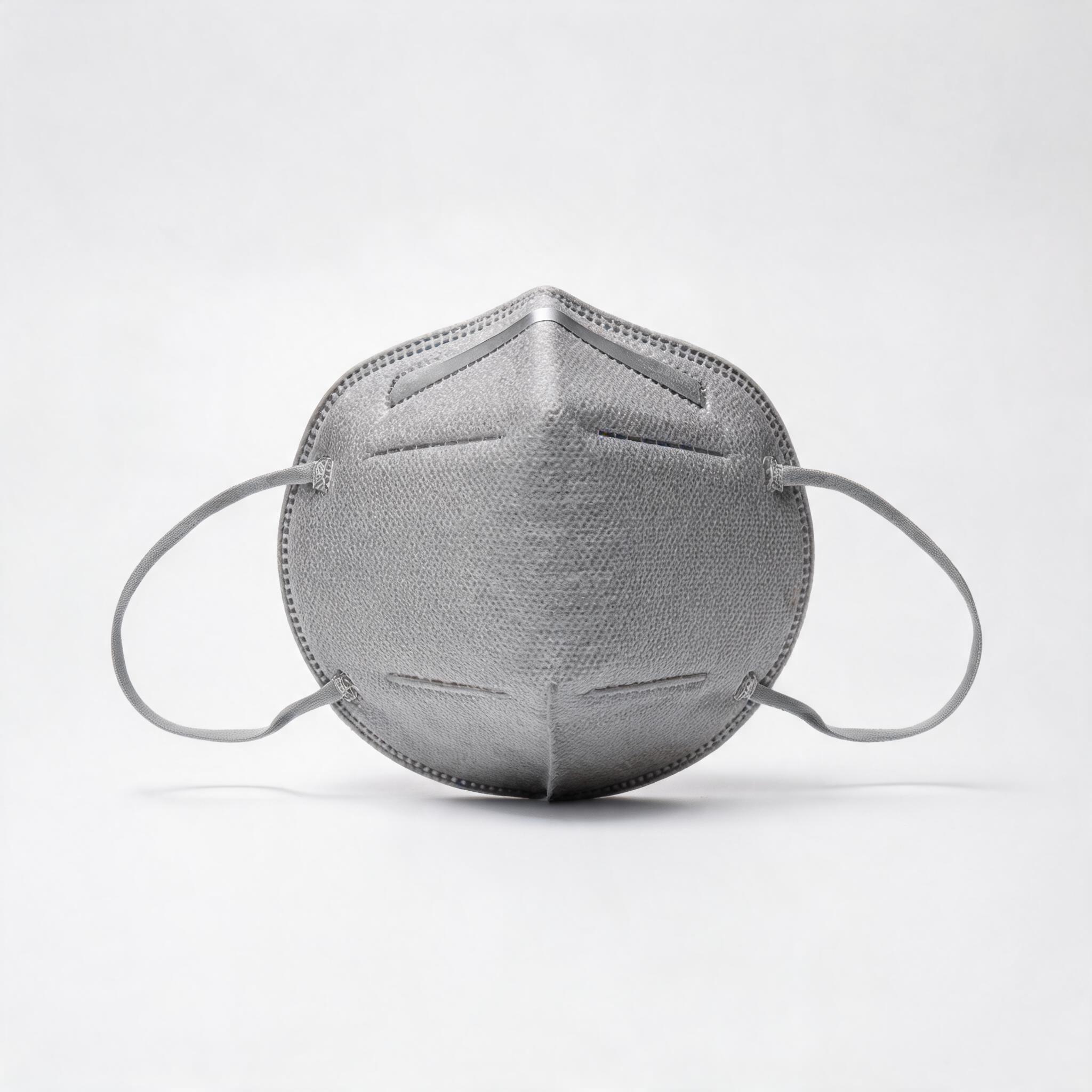
B2B 조달을 위한 KN95 호흡기 배치 품질 일관성에 대한 종합 가이드로, 변동 원인, 통계적 공정 관리, 검증 방법, 추세 분석 및 공급업체 평가를 다룹니다.
For B2B procurement teams managing ongoing KN95 respirator supply, batch-to-batch quality consistency is the metric that separates reliable suppliers from risky ones. A single test report proves that one batch met the standard. But what about the next batch, and the one after that? Batch consistency is what determines whether a respirator program can be sustained without constant firefighting, quality complaints, or field failures.
Why Batch Consistency Matters More Than Single-Batch Performance
A test report from a single production batch is a snapshot. It tells you that the respirator met the GB2626 standard at the time of testing. But manufacturing is a dynamic process-raw material lots change, production parameters drift, operators vary, and environmental conditions fluctuate. Without active batch consistency management, the respirators you receive in your sixth order may perform differently from those in your first.
For procurement teams, the risks of inconsistent batches include:
- Field failures: A batch with substandard filtration or loose straps discovered in use can compromise an entire respiratory protection program
- Regulatory exposure: If a batch fails compliance testing after distribution, the product may need to be recalled
- User trust erosion: When respirator quality varies between batches, end users lose confidence in the product and compliance rates drop
- Increased quality control costs: Inconsistent batches require more incoming inspection, slowing the supply chain
Sources of Batch-to-Batch Variation
Understanding where variation originates helps buyers ask the right questions and implement effective verification strategies.
1. Meltblown Fabric Variation
The meltblown layer is the most sensitive component. Variations in polypropylene resin melt flow index, extrusion temperature, air velocity, and electrostatic charging parameters can all shift filtration efficiency between batches. The manufacturing process must include in-process monitoring of meltblown properties to detect and correct drift.
2. Raw Material Lot Changes
Polypropylene resin is supplied in lots. When a manufacturer changes from one resin lot to another-even from the same supplier-the resulting meltblown fabric may have different properties. Resin suppliers may change their own formulations, and unless the respirator manufacturer tests each incoming lot, these changes go undetected until downstream quality testing reveals a problem.
3. Machine Setup and Wear
Production line components-welding horns, cutting dies, nose clip insertion mechanisms-wear over time and require periodic replacement and recalibration. If maintenance is delayed, product dimensions, edge bonding quality, and strap attachment strength can drift between batches.
4. Environmental Conditions
Temperature and humidity in the production facility affect meltblown extrusion, electrostatic charging efficiency, and elastic material behavior. Seasonal changes in factory temperature (common in facilities without full climate control) can introduce systematic variation between winter and summer production batches.
5. Operator Factors
Even on automated lines, manual operations remain. Operator technique in setup, changeover, and quality inspection can introduce variation. Training consistency and documented standard operating procedures (SOPs) mitigate but do not eliminate this factor.
Statistical Process Control: The Supplier's Tool for Consistency
Suppliers committed to batch consistency implement Statistical Process Control (SPC) in their manufacturing process. SPC involves:
- Control charts: Continuous plotting of key quality parameters (filtration efficiency, breathing resistance, strap strength) with upper and lower control limits
- Capability analysis: Calculating process capability indices (Cp, Cpk) to quantify how well the process produces within specification limits
- Trend monitoring: Detecting gradual drift before it results in out-of-specification product
- Root cause analysis: Systematic investigation of any out-of-control event to identify and eliminate the cause
When evaluating suppliers, ask whether they use SPC and request examples of control charts for key parameters. A supplier without SPC is relying on end-of-line inspection to catch problems-which means defects are detected after they've been manufactured, not prevented.
How to Verify Batch Consistency as a Buyer
Procurement teams can implement several practical measures to verify and maintain batch consistency:
Request Batch-Specific Test Reports
For each shipment, request a test report specific to the production batch being shipped. This should include at minimum:
- Filtration efficiency (PFE) test result
- Breathing resistance (inhalation and exhalation) test result
- Visual inspection pass rate
- Batch/lot number and production date
Compare results across batches to identify trends. If PFE values are 98% in batch one, 97% in batch two, and 95.5% in batch three, there is a downward trend that warrants investigation.
Implement Incoming Quality Inspection (IQC)
Establish a sampling inspection protocol for incoming shipments:
- Sample size: AQL 2.5 or 4.0 sampling plan (per ISO 2859-1 or equivalent)
- Visual inspection: Check for tears, incomplete seals, missing nose clips, incorrect labeling
- Dimensional check: Verify overall dimensions, nose clip position, strap attachment
- Functional check: Strap pull test, nose clip malleability, valve function (if applicable)
The quality control verification process should be documented and consistently applied to every shipment.
Periodic Independent Testing
Send random samples from received batches to an independent accredited laboratory for verification testing. This provides an objective check on the supplier's test data and detects any systematic discrepancies.
Trend Analysis
Maintain a spreadsheet or database tracking key quality metrics across all received batches. Plot the data over time to visualize trends. Statistical trend analysis can detect gradual quality degradation that would be invisible in individual batch reports.
Supplier Questions for Batch Consistency Assessment
When evaluating or auditing KN95 suppliers, the following questions assess their batch consistency capability:
- Do you use Statistical Process Control (SPC) in your manufacturing process? Can you show control charts for key parameters?
- What is your process capability index (Cpk) for filtration efficiency and breathing resistance?
- How do you manage raw material lot changes? Do you test each incoming resin lot?
- What is your batch-to-batch variation in PFE (provide data from the last 10 batches)?
- Do you provide batch-specific test reports with each shipment?
- What is your AQL sampling plan for finished product release?
- How do you handle out-of-specification product detected during production?
- What environmental controls are maintained in the production area?
- How frequently do you recalibrate production line equipment?
- Can you provide references from customers who have ordered multiple batches?
The Cost of Inconsistency
Batch inconsistency has quantifiable costs that procurement teams should factor into supplier evaluation:
| Cost Category | Impact of Inconsistent Batches |
|---|---|
| Inspection costs | Higher sampling rates, more testing time, more personnel |
| Returns and replacements | Return shipping, restocking, replacement production, expedited freight |
| Supply disruption | Stockouts, emergency sourcing at higher prices, program delays |
| Liability exposure | Non-compliant batches in the field create legal and regulatory risk |
| Administrative overhead | Quality complaint processing, supplier communication, corrective action management |
Building a Long-Term Consistency Framework
For organizations with ongoing KN95 procurement needs, building a long-term consistency framework involves:
- Supplier development: Work with your supplier to implement SPC, improve process capability, and establish batch documentation protocols
- Performance metrics: Define key quality metrics and acceptable variation ranges in your purchase agreement
- Regular audits: Conduct annual or semi-annual factory audits to verify ongoing process control
- Corrective action protocols: Establish a defined process for addressing quality deviations, including root cause analysis and corrective action verification
- Supplier scorecard: Track supplier performance metrics (on-time delivery, quality acceptance rate, complaint frequency) and review quarterly
Conclusion
Batch-to-batch quality consistency is the hallmark of a reliable KN95 respirator supplier. While a single test report proves capability, only systematic process control, batch-specific documentation, and ongoing buyer verification can ensure that every batch meets the same standard. By understanding the sources of variation, implementing incoming quality inspection, requesting batch-specific data, and conducting trend analysis, B2B procurement teams can build respiratory protection programs that deliver consistent, reliable protection-batch after batch, shipment after shipment.