
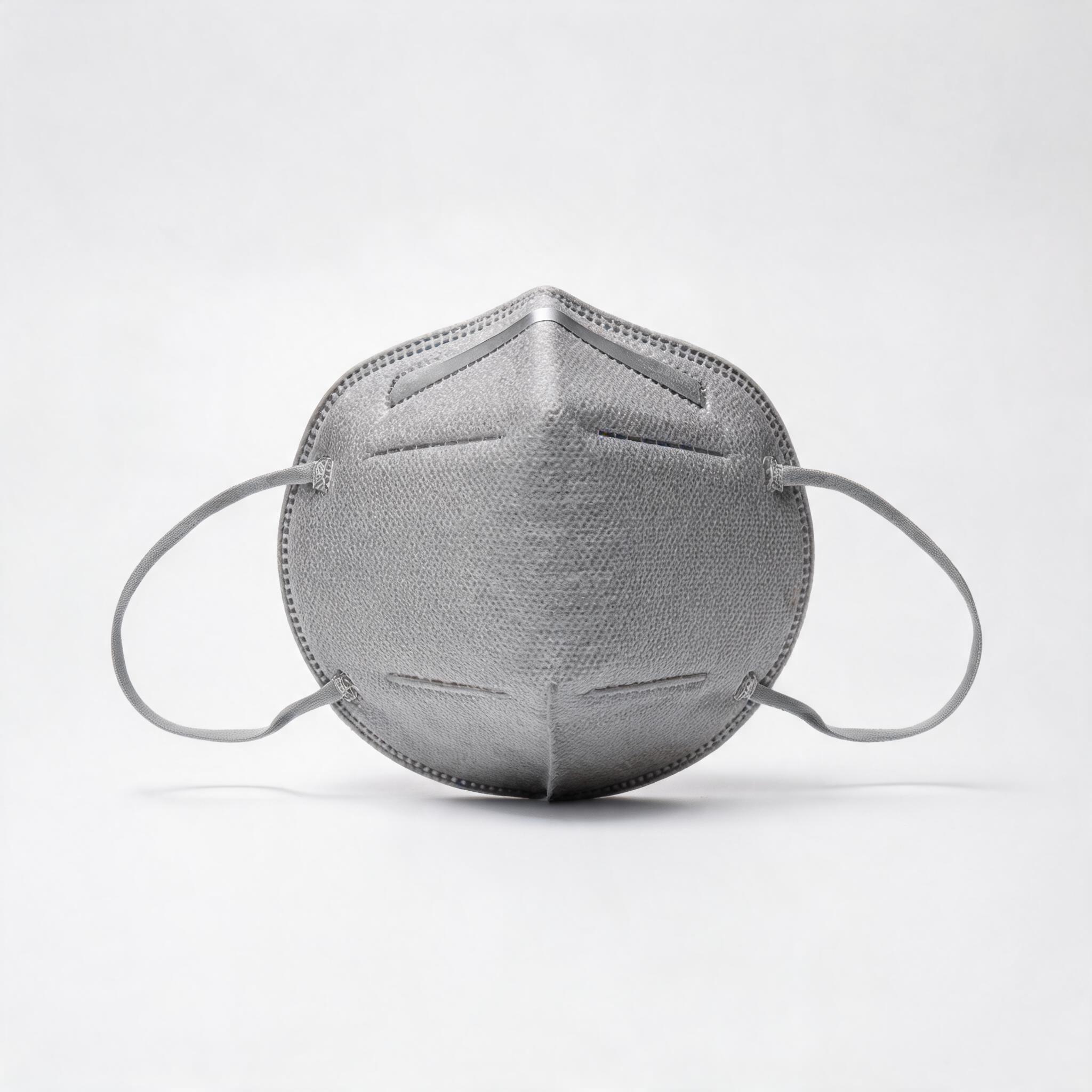
Post-pandemic respirator market analysis: KN95 demand growing outside the US due to cost, OEM availability, and CE compliance. Regional demand patterns and stockpiling trends for B2B buyers.
Market Trends · Respiratory Protection Standards
KN95 vs N95 Market Trends: Where Global Demand Is Heading
The global respirator market has shifted significantly since the pandemic peak. Understanding where KN95 and N95 demand is heading helps procurement teams plan multi-year sourcing strategies. This article examines current market dynamics, regional demand patterns, and what they mean for B2B buyers.
Market shift: Post-pandemic demand has stabilized at a higher baseline than pre-2020. Healthcare infrastructure expansion in emerging markets and industrial safety regulations are the primary demand drivers. KN95 captures a growing share outside the US due to cost advantage and CE compliance.
Regional Demand Patterns
| Region | Dominant Standard | Key Demand Driver |
|---|---|---|
| North America | N95 (healthcare), KN95 (general) | Hospital procurement, industrial safety |
| European Union | FFP2 / CE-marked KN95 | EN 149 compliance, healthcare and industrial |
| Southeast Asia | KN95 | Healthcare expansion, pollution control |
| Middle East | KN95 / N95 | Government stockpiling, healthcare |
| Latin America | KN95 | Cost-sensitive procurement, CE acceptance |
| Africa | KN95 | WHO/UNICEF programs, government tenders |
Why KN95 Demand Is Growing Outside the US
Three factors drive KN95's growing market share in non-US regions:
- Cost efficiency: KN95 respirators manufactured in China are typically 30-50% cheaper per unit than NIOSH-certified N95 respirators. For high-volume procurement, this difference is decisive. See our analysis of KN95 mask wholesale pricing.
- OEM availability: KN95 manufacturers like Justsun offer custom branding and packaging. N95 respirators from US brands do not typically support third-party OEM. For distributors building private-label brands, KN95 cup respirators with OEM branding are the practical choice.
- CE compliance: KN95 respirators with CE marking enter EU markets under the same regulatory framework as FFP2. Many countries in Asia, Africa, and Latin America accept CE-marked respirators, giving KN95 broad market access.
Industrial Safety: A Growing Segment
Beyond healthcare, industrial respiratory protection is a growing market. Construction, mining, pharmaceutical manufacturing, and chemical processing all require particulate respirators. In these settings, valved respirators are preferred for worker comfort during extended shifts.
The KN95 valve respirator addresses this demand with a one-way exhalation valve that reduces heat buildup. For industrial buyers, our article on valved KN95 masks for heat stress reduction covers the performance advantages in high-temperature environments.
Stockpiling and Emergency Preparedness
Post-pandemic, many governments have established or expanded strategic stockpiles of respiratory protection. This creates sustained baseline demand that did not exist before 2020. Key characteristics of stockpiling procurement:
- Large-volume orders (container loads)
- Long shelf-life requirements (typically 3-5 years)
- Strict documentation and traceability
- OEM packaging for government branding
For stockpile procurement, buyers should also review KN95 mask market outlook post-pandemic for demand forecasting context.
FAQ
Will N95 prices come down to KN95 levels?
Unlikely in the near term. N95 manufacturing is concentrated among a small number of US-based companies with limited capacity expansion. KN95 benefits from China's manufacturing scale and competitive supplier base, keeping prices lower.
Is demand for KN95 sustainable long-term?
Yes. Healthcare infrastructure expansion in emerging markets, industrial safety regulations, and government stockpiling programs create sustained demand. The KN95 wholesale market trends article covers these drivers in detail.
Conclusion
KN95 demand is growing globally outside the US, driven by cost efficiency, OEM availability, and CE compliance. N95 remains dominant in US healthcare. For B2B buyers serving multiple markets, maintaining sourcing relationships for both standards provides flexibility. For most international procurement, KN95 with CE certification offers the strongest value proposition.