
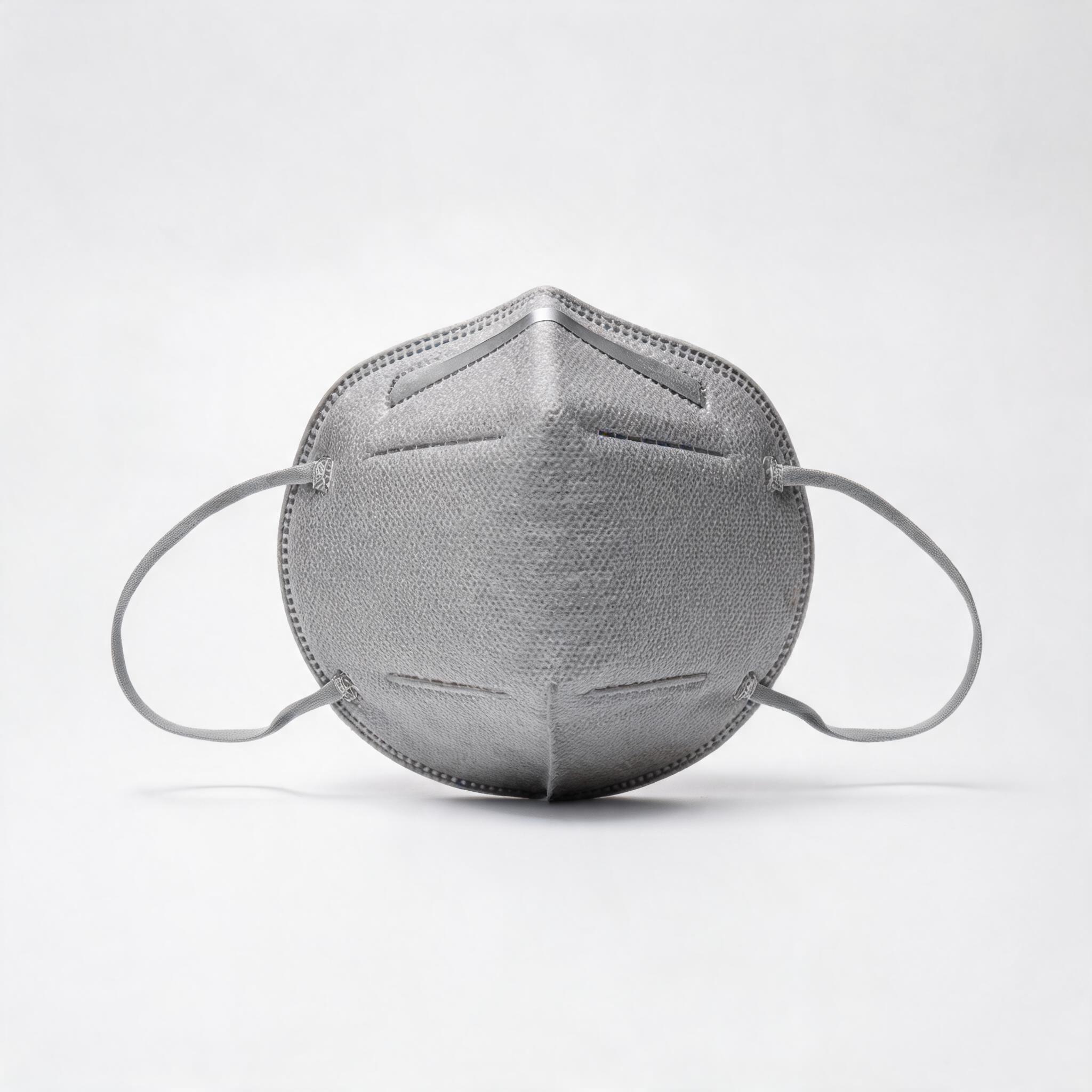
Um guia abrangente sobre conformidade regulatória de respiradores KN95 cobrindo certificação de produtos, qualificação de fabricantes, cadeia de documentação, caminhos CE/FDA/NIOSH, verificação de falsificações e gestão de conformidade.
Regulatory compliance is the legal foundation of KN95 respirator procurement. A respirator that performs perfectly in testing but lacks proper regulatory certification cannot be legally imported, distributed, or deployed in most regulated markets. For B2B procurement teams, understanding the regulatory compliance landscape is not just about avoiding customs problems-it is about ensuring that the product you source is legally marketable, insurable, and defensible in the event of a workplace incident.
The Three Pillars of KN95 Regulatory Compliance
KN95 regulatory compliance rests on three interconnected pillars that procurement teams must verify independently:
1. Product Certification
The respirator must be certified to the relevant standard for the destination market. This means:
- CE marking under EU PPE Regulation (EU) 2016/425 for European markets
- NIOSH approval under 42 CFR 84 for US occupational use
- FDA 510(k) clearance for US medical use
- GB2626 certification for the Chinese domestic market and as the manufacturing standard
Each certification requires testing by accredited laboratories and, in most cases, ongoing surveillance by a notified body or regulatory authority. The GB2626 standard is the manufacturing baseline, but it is not sufficient for import into most international markets without additional certification.
2. Manufacturer Qualification
Regulatory bodies do not just certify products-they qualify manufacturers. This means verifying that the manufacturing facility has:
- A documented quality management system (typically ISO 9001 or ISO 13485 for medical devices)
- Consistent production processes that can reproduce the certified product design
- Traceability systems linking finished products to raw materials and production records
- Capacity for batch-specific quality control and documentation
The manufacturer qualification is verified through factory audits conducted by notified bodies, regulatory authorities, or third-party inspection agencies.
3. Documentation Chain
Compliance must be documented, not just achieved. Every shipment must be accompanied by:
- Valid certificate of conformity (not expired)
- Test reports from accredited laboratories
- Declaration of conformity signed by the manufacturer
- Batch/lot traceability records
- Product labeling meeting destination market requirements
CE Compliance: The European Market Gateway
CE marking is the most common international certification for KN95 respirators. The CE certification process involves:
- Notified Body engagement: The manufacturer contracts a Notified Body designated under the EU PPE Regulation to conduct type-examination.
- Type-examination (Module B): The Notified Body reviews the technical documentation and tests product samples to verify conformity with EN 149 (for FFP2) or the manufacturer's declared standard.
- Production quality assurance (Module C2 or D): Ongoing surveillance of production to ensure continued conformity. Module C2 involves random product checks; Module D involves quality system auditing.
- Technical documentation file: A comprehensive file containing design specifications, test reports, risk assessments, user information, and manufacturing documentation.
- EU Declaration of Conformity: A signed declaration that the product meets all applicable EU directives and regulations.
Verification tip: CE certificates can be verified through the NANDO database (Notified and Designated Organisations) maintained by the European Commission. Check that the Notified Body number on the certificate matches a body authorized for PPE Regulation 2016/425.
FDA Compliance: The US Market Challenge
The FDA regulatory pathway for KN95 respirators is more complex than CE. Post-EUA revocation, the options are:
510(k) Premarket Notification
The manufacturer must demonstrate that their respirator is substantially equivalent to a legally marketed predicate device. This requires:
- Performance testing data (filtration efficiency, breathing resistance, fit)
- Biocompatibility testing per ISO 10993
- Software documentation (if applicable)
- Labeling review
NIOSH Approval
NIOSH certification under 42 CFR 84 is the alternative pathway. NIOSH approval requires:
- Submission of product samples for testing at NIOSH's laboratory
- Quality system audit of the manufacturing facility
- Ongoing surveillance including periodic retesting
- Specific labeling requirements including the NIOSH approval number
The KN95 vs N95 distinction is important: a KN95 respirator with NIOSH approval is classified and labeled as an N95. It cannot be marketed as "KN95" in the US if it carries NIOSH approval.
Counterfeit Compliance: A Growing Risk
Counterfeit CE and FDA certificates are a significant problem in the KN95 market. During the pandemic, numerous cases of forged certificates, fake Notified Body numbers, and copied test reports were identified. B2B buyers must actively verify the authenticity of all compliance documents:
How to Verify CE Certificate Authenticity
- Check the Notified Body 4-digit number against the NANDO database
- Verify that the Notified Body is authorized for PPE Regulation 2016/425 (not all Notified Bodies are authorized for all regulations)
- Confirm that the certificate references the correct product model and manufacturer
- Check the certificate validity dates (expired certificates are invalid)
- Contact the Notified Body directly if any element appears suspicious
How to Verify FDA/NIOSH Compliance
- Search the FDA 510(k) database for the manufacturer's name and product
- Verify NIOSH approval through the NIOSH Certified Equipment List (CEL)
- Check the FDA registration database for the manufacturer's facility
Compliance Documentation Management
For organizations procuring KN95 respirators on an ongoing basis, establishing a compliance documentation management system is essential. This system should include:
- Certificate tracking: A database tracking each product's certifications, expiration dates, and scope
- Batch documentation: Test reports and declarations for each received batch, linked to the purchase order
- Change notification: Agreement with the supplier to notify you of any changes to product design, materials, or manufacturing process that could affect certification validity
- Audit trail: Records of compliance verification activities, including who verified what and when
The Cost of Non-Compliance
The consequences of importing non-compliant KN95 respirators extend beyond customs seizures:
- Financial penalties: Customs fines for misclassified or non-compliant imports can reach 100% of the shipment value
- Product liability: If a non-compliant respirator fails and causes harm, the importer (not just the manufacturer) may be held liable
- Insurance invalidation: Many insurance policies exclude coverage for non-compliant products
- Reputational damage: Public recalls of non-compliant PPE attract significant negative attention
- Supply chain disruption: Seized shipments disrupt downstream supply commitments
Compliance Verification in Supplier Evaluation
When evaluating KN95 sourcing criteria, incorporate compliance verification as a gate criterion:
- Request copies of all certificates (not scans of scans-blank or illegible documents are red flags)
- Verify each certificate through official databases
- Request the complete technical documentation file, not just the certificate
- Confirm that the certified product model matches the product being offered
- Verify that the manufacturer's quality management system is certified (ISO 9001 or ISO 13485)
- Check whether any previous certifications have been revoked or suspended
Conclusion
Regulatory compliance is not a paperwork exercise-it is the legal and ethical foundation of responsible KN95 respirator procurement. By understanding the three pillars of compliance, actively verifying certificate authenticity, maintaining comprehensive documentation, and treating compliance as a gate criterion in supplier evaluation, B2B procurement teams can protect their organizations from legal liability, financial loss, and reputational damage. In the world of respiratory protection, compliance is not optional-and neither is the diligence required to verify it.