
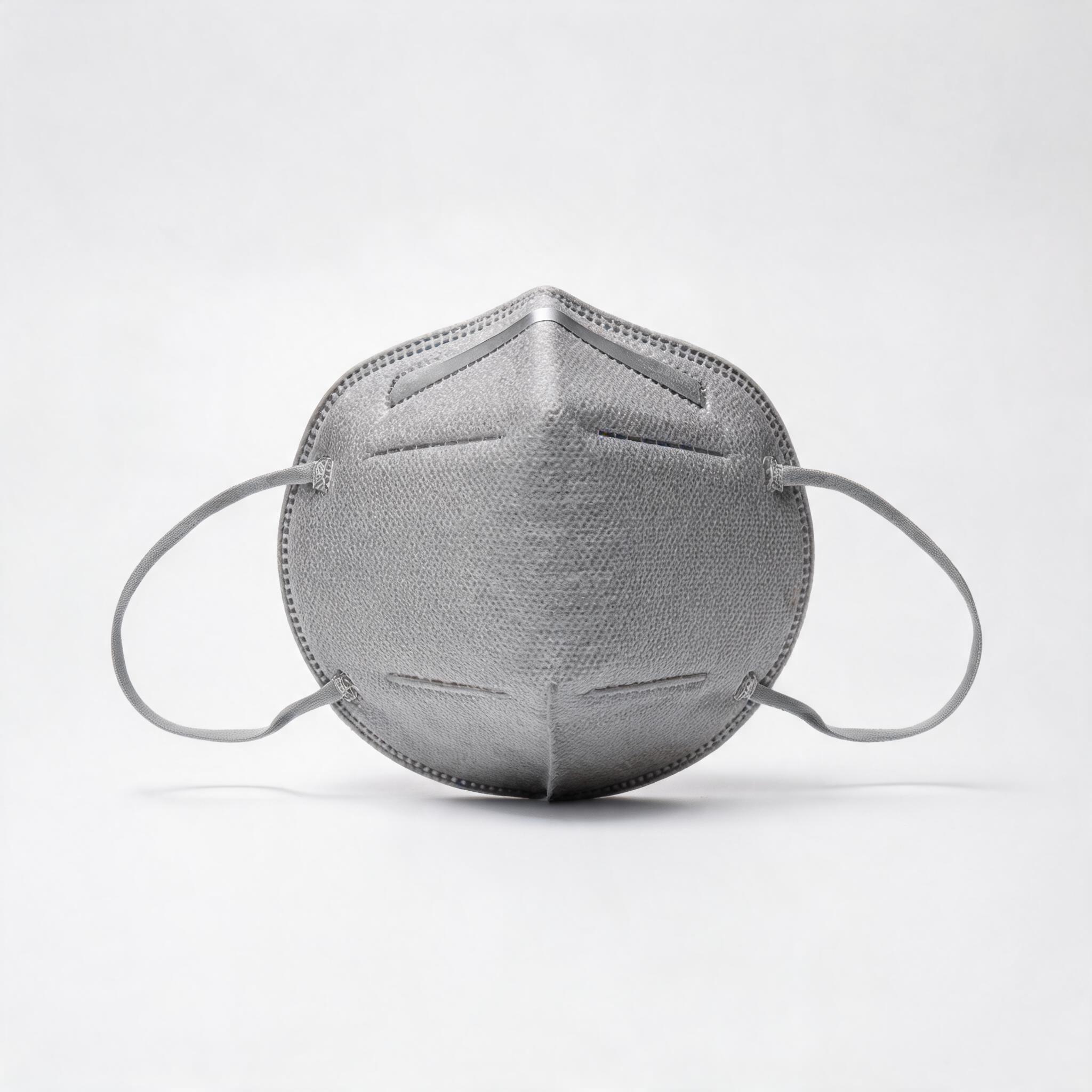
一份涵盖全球主要市场KN95呼吸器进口法规的全面指南,包括欧盟CE认证、美国FDA/NIOSH要求、文件、HS编码及风险缓解策略。
For B2B procurement teams importing KN95 respirators, navigating import regulations is often more complex than evaluating the product itself. Each destination market has its own regulatory framework governing the importation of respiratory protective equipment, and non-compliance can result in seized shipments, customs delays, fines, or blacklisting. This guide provides a comprehensive overview of KN95 import regulations across major global markets and practical guidance for ensuring smooth customs clearance.
Why Import Regulations Matter for KN95 Procurement
KN95 respirators are classified as either personal protective equipment (PPE) or medical devices, depending on the destination market's regulatory framework. This classification determines which regulations apply, what documentation is required, and which government agency has jurisdiction over the import.
The regulatory landscape for KN95 imports has evolved significantly since the COVID-19 pandemic. Emergency authorization pathways that allowed rapid importation of KN95 respirators have been closed or modified, and many markets now require full regulatory compliance equivalent to pre-pandemic standards.
Key takeaway: Import regulations are not static. Buyers must verify current requirements with their destination market's regulatory authority before finalizing any procurement order. Relying on outdated information from the pandemic era is a leading cause of customs problems.
European Union: CE Marking and PPE Regulation
The European Union regulates KN95 respirators under the PPE Regulation (EU) 2016/425. To import KN95 respirators into the EU, the following requirements must be met:
CE Marking
The respirator must carry CE marking, indicating conformity with the PPE Regulation. CE marking for KN95 respirators is typically achieved through Module B (EU type-examination) + Module C2 (conformity to type based on internal production control plus supervised product checks at random intervals) or Module D (quality assurance of the production process).
The CE certification requirements involve engagement with a Notified Body-an organization designated by an EU member state to assess product conformity. The Notified Body issues the type-examination certificate and conducts ongoing production surveillance.
Required Documentation for EU Import
- EU Declaration of Conformity (DoC) signed by the manufacturer or EU authorized representative
- Technical documentation file (Type B certificate from Notified Body)
- Test reports from accredited laboratories
- Product labeling in the language of the destination member state
- Batch/lot traceability documentation
EU Import Process
When the shipment arrives at an EU port, customs will verify the CE marking and may request the Declaration of Conformity. The KN95 vs FFP2 certification differences mean that customs officials may scrutinize whether a KN95 respirator meets FFP2-equivalent requirements. Having clear documentation of equivalence and Notified Body certification facilitates smooth clearance.
United States: FDA and NIOSH Requirements
The United States has a more complex regulatory landscape for KN95 respirators, with two agencies potentially involved:
FDA Regulation
KN95 respirators intended for medical use are regulated by the FDA as medical devices. During the pandemic, the FDA issued Emergency Use Authorizations (EUAs) that allowed importation of KN95 respirators without full 510(k) clearance. These EUAs have been revoked.
Post-EUA, KN95 respirators for medical use must have either:
- An FDA 510(k) clearance (premarket notification), or
- NIOSH approval under 42 CFR 84 (as a non-powered air-purifying respirator)
NIOSH Regulation
The National Institute for Occupational Safety and Health (NIOSH) certifies respirators under 42 CFR 84. The NIOSH certification process involves:
- Submission of product samples for testing
- Quality system audit of the manufacturing facility
- Ongoing surveillance testing
A KN95 respirator with NIOSH approval is classified as an N95 respirator. The KN95 vs N95 comparison explains the technical equivalence, but NIOSH approval is required for legal importation into the US for occupational use.
Required Documentation for US Import
- FDA registration number (for medical-use respirators)
- 510(k) clearance letter or NIOSH approval number
- Packaging labeled with the applicable standard and approval number
- Importer of record information
- Customs bond for shipments valued above $2,500
Other Major Markets
United Kingdom (UKCA)
Post-Brexit, the UK requires UKCA (UK Conformity Assessed) marking for PPE imported into Great Britain. The requirements are similar to EU CE marking but require engagement with a UK Approved Body. Northern Ireland continues to accept CE marking under the Northern Ireland Protocol.
Australia (TGA)
The Therapeutic Goods Administration (TGA) regulates KN95 respirators for medical use. Non-medical respirators are regulated as PPE under state/territory occupational health and safety laws. TGA registration requires evidence of conformity with AS/NZS 1716 or recognized international standards.
Southeast Asia
ASEAN markets have varying requirements. Singapore (HSA), Malaysia (MDA), and Indonesia (BPOM/Kemenkes) each have their own medical device registration requirements. Some accept CE or FDA certifications as a basis for registration, while others require local testing and registration.
Middle East
Saudi Arabia (SFDA), UAE (MoHAP), and other GCC countries require medical device registration with their respective national authorities. Many accept CE marking or FDA clearance as a basis for registration but require additional local documentation and Arabic labeling.
Common Import Documentation Checklist
Regardless of destination market, the following documents should accompany every KN95 shipment:
| Document | Purpose | Who Issues It |
|---|---|---|
| Commercial invoice | Transaction details, HS code, value declaration | Supplier/Exporter |
| Packing list | Carton count, dimensions, weight, piece count | Supplier/Exporter |
| Certificate of Origin | Country of manufacture; may affect duty rates | Chamber of Commerce |
| CE/UKCA/FDA/NIOSH certificate | Proof of regulatory compliance | Notified Body/Regulatory Authority |
| Declaration of Conformity | Manufacturer's declaration of compliance | Manufacturer |
| Test report | Performance data per applicable standard | Accredited testing laboratory |
| Bill of Lading / Air Waybill | Transport document and title to goods | Carrier/Freight forwarder |
HS Code Classification for KN95 Respirators
The Harmonized System (HS) code for KN95 respirators affects duty rates and customs processing. The most commonly used HS codes are:
- 6307.90: Other made up articles (commonly used for respirators/masks)
- 9020.00: Breathing appliances and gas masks (used in some jurisdictions for respirators with specific certifications)
Buyers should confirm the correct HS code with their customs broker for the destination market, as incorrect classification can result in duty overpayment or customs penalties.
Managing Export Customs from China
Export from China also has regulatory requirements. Chinese customs requires:
- Export declaration with product description and HS code
- Medical device export registration (for medical-grade products)
- CE or FDA certificate copy (customs may verify authenticity)
- Test report from a Chinese accredited laboratory
During the pandemic, China implemented enhanced export quality controls for medical supplies. While some emergency measures have been lifted, Chinese customs still scrutinizes medical device exports, particularly for products claiming CE or FDA compliance.
Risk Mitigation Strategies for Import Compliance
- Engage a qualified customs broker: A broker with experience in PPE and medical device imports can navigate the specific requirements of your destination market.
- Verify all certificates before ordering: Confirm CE, FDA, or NIOSH certificates through official databases before placing an order. Counterfeit certificates are a major issue.
- Maintain a compliance file: Keep copies of all certificates, test reports, declarations, and correspondence for each shipment. This file should be retrievable on short notice if customs requests documentation.
- Plan for regulatory lead time: Some markets require pre-importation registration that can take 3-12 months. Factor this into your procurement timeline.
- Consider Incoterms carefully: The Incoterms choice (FOB, CIF, DDP) determines who is responsible for customs clearance and compliance. DDP shifts this responsibility to the supplier but increases the unit cost.
- Monitor regulatory changes: PPE import regulations change frequently. Subscribe to regulatory update services or consult with your customs broker regularly.
Conclusion
Import compliance is a non-negotiable dimension of KN95 respirator procurement. By understanding the regulatory requirements of the destination market, preparing complete documentation, verifying certificate authenticity, and engaging qualified customs professionals, B2B procurement teams can ensure that their shipments clear customs smoothly and reach end users without costly delays. The cost of regulatory non-compliance-seized shipments, fines, and reputational damage-far exceeds the cost of proper compliance preparation.